$20 Billion Kimi Developer Moonshot Abandons VIE Structure for HK Listing
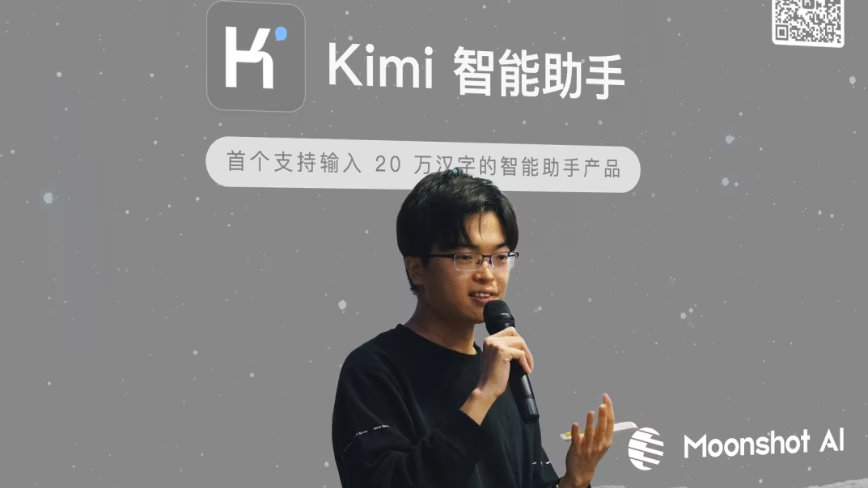
Kimi, a leading developer in the tech industry, has made headlines by abandoning its Variable Interest Entity (VIE) structure in favor of a direct listing in Hong Kong. This significant shift reflects the changing landscape for Chinese companies seeking to go public amidst regulatory scrutiny.
Introduction
In a groundbreaking move that could reshape the future of Chinese tech listings, Kimi, a $20 billion developer known for its innovative projects, has decided to abandon its Variable Interest Entity (VIE) structure in favor of a direct listing on the Hong Kong Stock Exchange. This decision comes amidst increasing regulatory scrutiny from Chinese authorities and a growing preference for more transparent financial practices.
Understanding the VIE Structure
The VIE structure has been a popular mechanism for Chinese companies to access foreign capital markets, allowing them to circumvent restrictions on foreign ownership in certain sectors. However, this structure has come under intense scrutiny in recent years, particularly following crackdowns by the Chinese government on companies utilizing it. Kimi's decision to abandon this model signals a significant shift in how Chinese tech firms may approach international listings in the future.
The Implications of Kimi's Decision
Kimi's move to a direct listing in Hong Kong is seen as a response to the evolving regulatory environment in China, where authorities have been tightening regulations on tech companies. By opting for a more straightforward listing process, Kimi aims to enhance its credibility and attract a broader range of investors who may have been hesitant to engage with companies operating under the VIE structure.
Market Reactions
The announcement has sent ripples through the financial markets, with analysts predicting that more companies may follow suit in abandoning the VIE structure. Investors have reacted positively to Kimi's decision, viewing it as a sign of the company's commitment to transparency and compliance with local regulations. This shift could potentially restore investor confidence in the Chinese tech sector, which has faced significant challenges in recent years.
Future Prospects for Chinese Tech Listings
Kimi's decision could pave the way for other Chinese companies to reconsider their listing strategies. With the Hong Kong Stock Exchange becoming increasingly attractive for tech firms, especially those looking to avoid the complications associated with the VIE structure, we may see a trend toward more direct listings in the near future. This could lead to a renaissance of Chinese tech companies on the global stage, as they seek to regain investor trust and capitalize on the growing demand for innovative technologies.
Conclusion
Kimi's abandonment of the VIE structure in favor of a direct listing in Hong Kong marks a pivotal moment for the Chinese tech industry. As companies navigate the complexities of regulatory compliance and investor expectations, Kimi's proactive approach could serve as a blueprint for others looking to thrive in an increasingly competitive market. The implications of this decision extend beyond Kimi itself, potentially signaling a broader transformation in how Chinese companies engage with global investors.