AI-Generated Anime Stories: A New Frontier in Animation
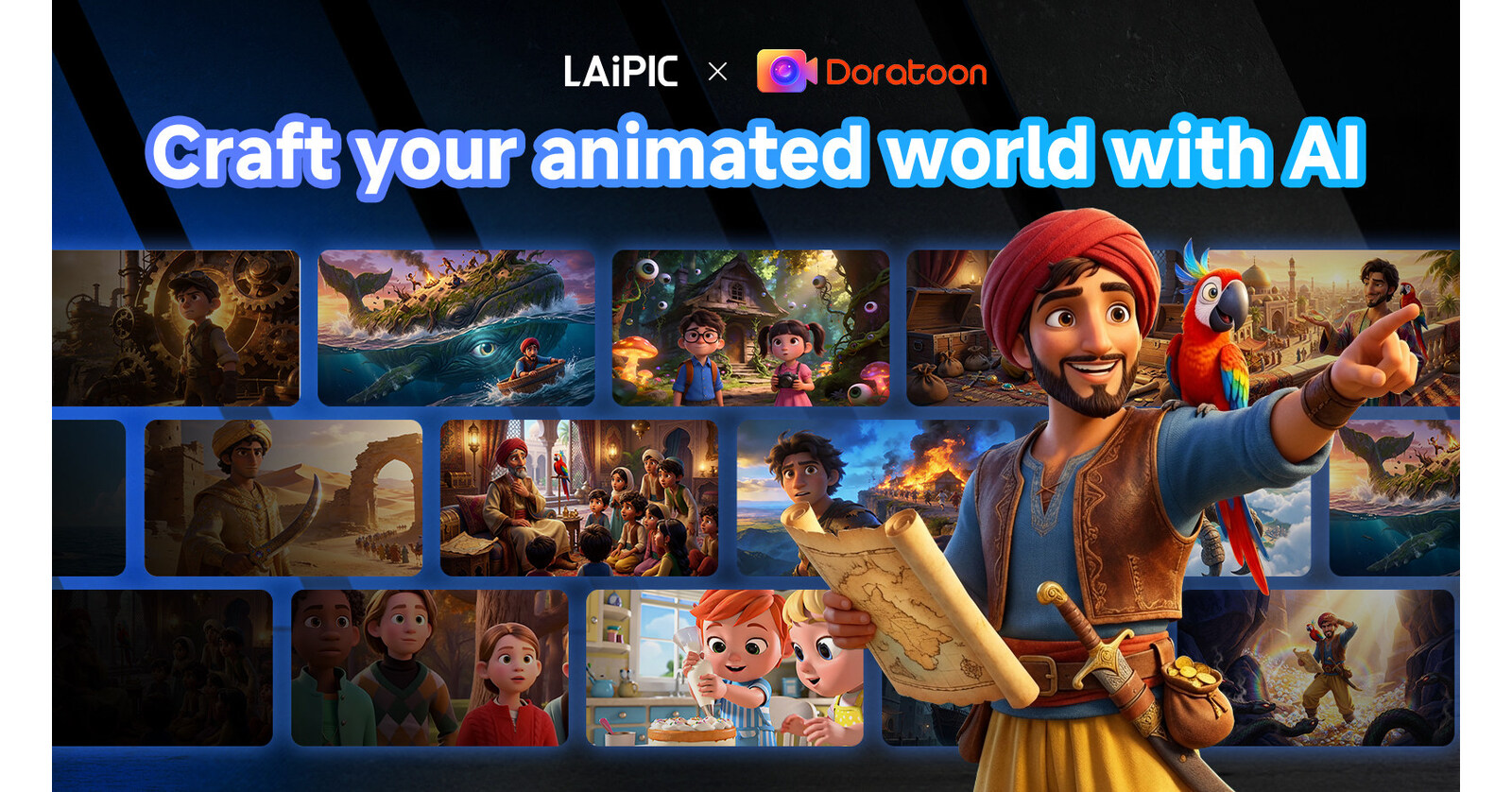
LAiPIC, a pioneering AI technology, has successfully created 16-minute anime stories, showcasing the potential of artificial intelligence in the creative arts. This breakthrough raises intriguing questions about the future of storytelling and the role of AI in the entertainment industry.
Introduction to AI in Animation
In a groundbreaking development for the animation industry, LAiPIC has unveiled its innovative AI technology capable of generating 16-minute anime stories. This remarkable achievement not only highlights the capabilities of artificial intelligence in creative fields but also opens new avenues for storytelling and content creation. As the boundaries between technology and art continue to blur, the implications of such advancements are vast and varied.
The Technology Behind LAiPIC
LAiPIC, an acronym for 'Language-Aware Interactive Plot and Image Creator,' utilizes sophisticated algorithms and machine learning techniques to craft narratives that resonate with audiences. By analyzing existing anime content and understanding narrative structures, character development, and thematic elements, LAiPIC can generate unique plots that maintain the essence of traditional storytelling.
How It Works
The process begins with user input, where creators can provide prompts or themes they wish to explore. The AI then processes this information, synthesizing it with its vast database of anime tropes and styles. Within moments, LAiPIC produces a fully fleshed-out story, complete with character arcs and plot twists, ready for animation. This efficiency not only saves time but also allows creators to experiment with ideas that might have been too costly or time-consuming to produce traditionally.
Implications for the Animation Industry
The introduction of AI-generated content poses significant questions for the animation industry. On one hand, it democratizes storytelling, allowing independent creators to produce high-quality content without the need for extensive resources. On the other hand, it raises concerns about originality and the potential for AI to overshadow human creativity. As the industry grapples with these challenges, the role of human animators and writers may evolve, focusing more on collaboration with AI rather than competition.
Audience Reception
Initial reactions to LAiPIC's AI-generated anime stories have been mixed. Some viewers express excitement about the potential for new and innovative narratives, while others are skeptical about the emotional depth and authenticity of AI-created content. Critics argue that while AI can mimic styles and structures, it may lack the nuanced understanding of human experiences that seasoned writers bring to their work. However, proponents believe that AI can serve as a valuable tool for inspiration and brainstorming, enhancing rather than replacing human creativity.
The Future of AI in Entertainment
As AI technology continues to advance, its integration into various aspects of entertainment is likely to expand. From video games to film and television, the possibilities are endless. Companies are already exploring ways to incorporate AI into scriptwriting, character design, and even voice acting, paving the way for a new era of interactive storytelling. The challenge will be to find a balance between leveraging AI's capabilities and preserving the human touch that has always been at the heart of storytelling.
Conclusion
LAiPIC's AI-generated anime stories represent a significant leap forward in the intersection of technology and creativity. As the industry adapts to these changes, it will be crucial to foster a dialogue about the role of AI in the arts. Ultimately, the future of storytelling may not be about AI replacing human creators but rather about how they can work together to push the boundaries of imagination and innovation.