AIA, HSBC, and StanChart Shares Decline Amid New Capital Controls in China
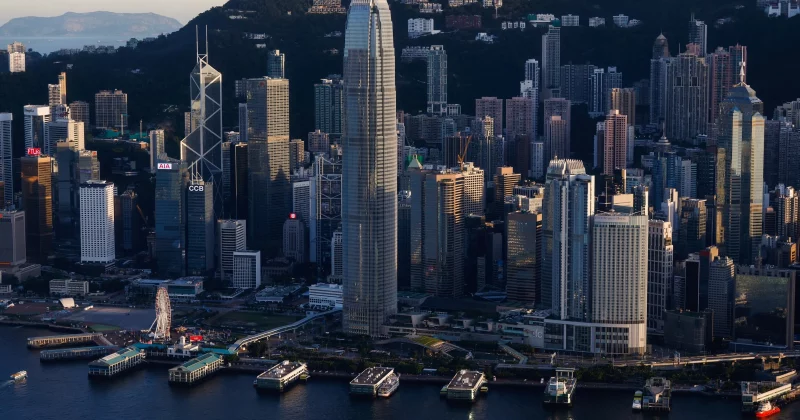
Shares of major financial institutions like AIA, HSBC, and Standard Chartered have experienced significant declines following China's recent decision to tighten capital controls on mainland investors. This move raises concerns about the implications for Hong Kong's financial market and investor sentiment.
Introduction
In a significant turn of events, shares of major financial institutions including AIA, HSBC, and Standard Chartered have seen a marked decline as China implements stricter capital controls targeting mainland investors. This decision has sent ripples through the financial markets, particularly in Hong Kong, raising questions about the future of investment and economic stability in the region.
Background on Capital Controls
China's recent tightening of capital controls is aimed at curbing the outflow of capital from the mainland, a move that has been interpreted as a response to increasing economic pressures and a desire to stabilize the yuan. The measures include restrictions on the amount of money that can be transferred abroad, particularly for investments in foreign assets. This has led to a growing sense of unease among investors who rely on the ability to move capital freely.
Impact on Financial Institutions
The immediate aftermath of the announcement saw shares of AIA, HSBC, and Standard Chartered fall sharply. AIA, one of Asia's largest life insurers, saw its stock drop by over 3%, while HSBC and Standard Chartered experienced similar declines of around 2.5% and 2%, respectively. Analysts suggest that this reaction reflects investor concerns over reduced demand for financial products and services linked to mainland investors.
Investor Sentiment in Hong Kong
The tightening of capital controls has raised alarms in Hong Kong, a city that has long been viewed as a gateway for mainland Chinese investors looking to diversify their portfolios. The financial hub's status as an international financial center is now being questioned, as the new restrictions could limit the flow of capital into the market. Investors are increasingly worried that these measures could lead to a slowdown in economic growth, further exacerbating the challenges posed by the ongoing trade tensions and the lingering effects of the COVID-19 pandemic.
Reactions from Analysts and Economists
Market analysts have expressed mixed feelings about the long-term implications of China's capital controls. Some believe that while the immediate effects may be negative, the measures could ultimately lead to a more stable financial environment by reducing speculative investments. Others, however, warn that the restrictions could deter foreign investment and diminish Hong Kong's attractiveness as a financial hub.
Looking Ahead
As the situation unfolds, investors and financial institutions will be closely monitoring any further developments regarding China's capital controls. The potential for additional restrictions looms large, and many are bracing for a prolonged period of uncertainty. The Hong Kong Monetary Authority has indicated that it will take necessary measures to ensure liquidity in the market, but the effectiveness of these measures remains to be seen.
Conclusion
The tightening of capital controls in China has undoubtedly created a challenging environment for financial institutions operating in Hong Kong. As AIA, HSBC, and Standard Chartered grapple with the immediate fallout, the broader implications for the region's financial landscape will require careful navigation. Investors are urged to stay informed and consider the potential risks associated with the evolving situation.