Airline Shares Plummet and Airfares Surge Amid Escalating Iran Conflict
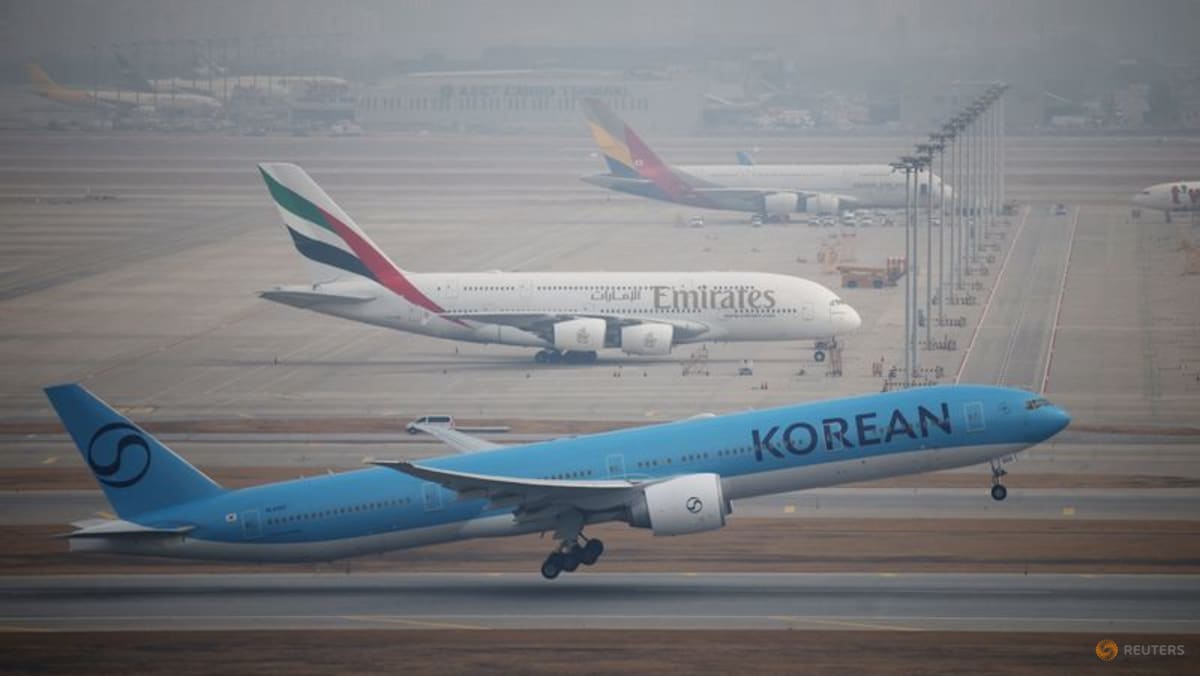
The ongoing conflict in Iran has led to a significant surge in oil prices, causing airline shares to drop sharply. As a result, travelers are facing increased airfares, raising concerns about the future of the aviation industry.
Airline Shares Plummet and Airfares Surge Amid Escalating Iran Conflict
The recent escalation of conflict in Iran has sent shockwaves through the global aviation industry, resulting in a dramatic increase in oil prices that has left airline shares battered and travelers facing soaring airfares. With oil prices surpassing $100 a barrel, the financial implications for airlines are becoming increasingly severe, prompting analysts to reassess the viability of the sector in the current geopolitical climate.
As tensions rise in the Middle East, airlines around the world are grappling with the fallout. The conflict has led to concerns about supply disruptions, which have historically had a direct impact on fuel costs. Airlines, which operate on thin profit margins, are particularly vulnerable to fluctuations in oil prices. The recent surge has prompted many carriers to raise their fares, which could deter travelers and further impact demand.
According to industry experts, the increase in oil prices is expected to have a cascading effect on the aviation market. Major airlines have already reported significant declines in their stock prices, with some experiencing drops of over 10% in just a few days. This decline reflects investor anxiety regarding the potential for reduced travel demand and increased operational costs.
Airlines are now faced with a difficult decision: absorb the higher fuel costs and risk profitability, or pass those costs onto consumers through increased ticket prices. Many carriers have opted for the latter, leading to a noticeable spike in airfares across various routes. Travelers are now reporting higher prices for both domestic and international flights, with some routes seeing increases of up to 30% in just a matter of weeks.
In response to these challenges, airlines are also exploring alternative strategies to mitigate the impact of rising fuel costs. Some have begun to implement capacity cuts, reducing the number of flights on certain routes to maintain profitability. Others are investing in more fuel-efficient aircraft and exploring partnerships with oil companies to secure more favorable fuel pricing.
The impact of the Iran conflict on air travel is not limited to just financial metrics; it also raises concerns about safety and security for travelers. With the region becoming increasingly volatile, airlines are reassessing their flight routes and safety protocols. Passengers may face delays and cancellations as airlines navigate the complexities of operating in a high-risk environment.
Travelers planning to fly in the coming months should brace for potential disruptions and higher costs. Experts recommend booking flights as early as possible to secure the best rates, as prices are likely to continue rising in response to ongoing geopolitical tensions. Additionally, travelers should stay informed about the situation in Iran and any travel advisories issued by their governments.
As the situation unfolds, the aviation industry is at a crossroads. The combination of rising oil prices and geopolitical instability presents significant challenges, but it also offers opportunities for airlines to innovate and adapt. The coming months will be critical in determining how the industry responds to these unprecedented challenges and what the future holds for air travel in a post-conflict world.