Asia Markets Plummet Amid AI Concerns, Led by Tokyo and Taipei
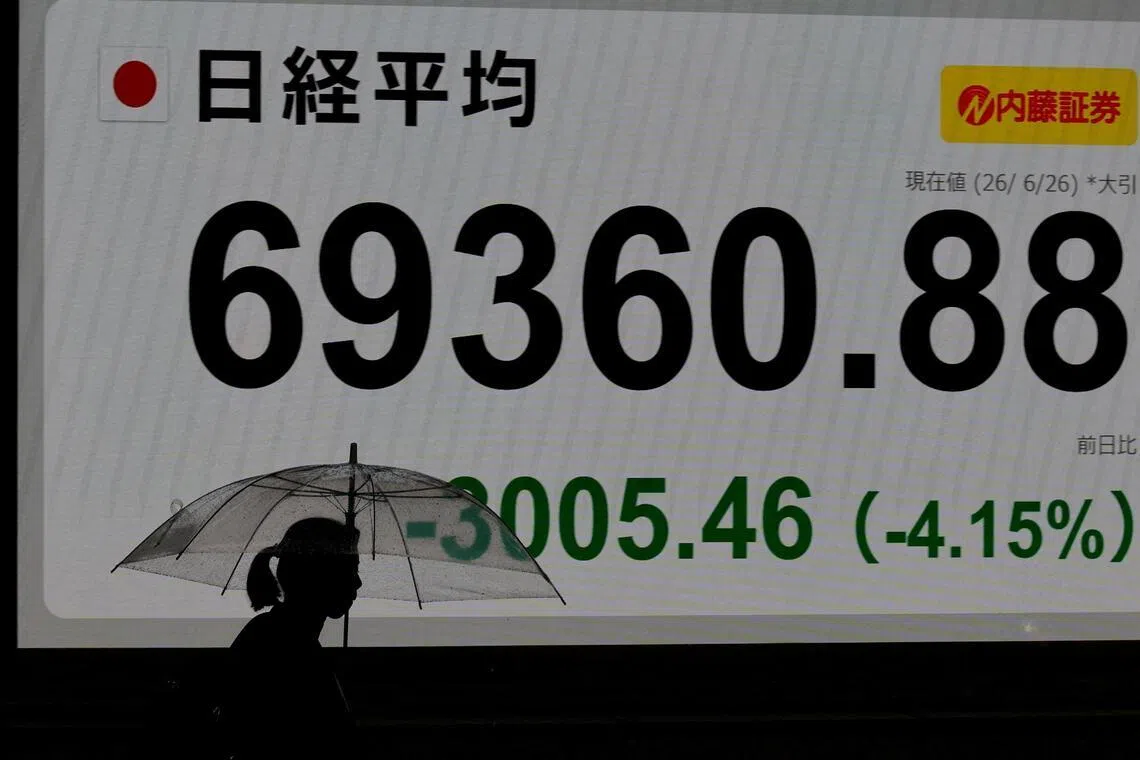
Asian stock markets experienced a significant downturn, with Tokyo and Taipei leading the decline due to growing concerns over artificial intelligence's impact on the tech sector. Investors are wary as uncertainty looms over the future of AI developments and their implications for the economy.
Asia Markets Plummet Amid AI Concerns
In a dramatic turn of events, Asian stock markets faced a severe rout on Monday, with Tokyo and Taipei leading the charge downward. The sell-off was primarily fueled by escalating worries regarding the implications of artificial intelligence (AI) on the technology sector, prompting investors to reassess their positions in a rapidly changing economic landscape.
Tokyo Stock Exchange Takes a Hit
The Tokyo Stock Exchange saw one of its worst trading days in recent months, with the Nikkei 225 index plunging by over 3%. Major tech companies, which had previously enjoyed robust growth due to advancements in AI, were among the hardest hit. Sony, SoftBank, and other tech giants experienced significant declines as investors reacted to fears that AI innovations could disrupt existing business models and lead to increased competition.
Taipei's Tech Sector in Turmoil
Similarly, the Taiwan Stock Exchange mirrored the downturn, with the TAIEX index dropping nearly 3.5%. Taiwan's technology sector, heavily reliant on semiconductor manufacturing and electronics, felt the brunt of the market's anxiety. Major players like TSMC and MediaTek saw their stock prices tumble as fears about AI's potential to replace traditional manufacturing processes took hold.
Global AI Concerns Impacting Markets
The concerns surrounding AI are not limited to Asia; they reflect a broader global apprehension about the technology's rapid advancement and its potential to disrupt labor markets and economies. Analysts warn that as AI continues to evolve, it could lead to significant job losses in various sectors, including manufacturing, customer service, and even creative industries.
Investors Reassess Their Strategies
As the market grapples with these uncertainties, investors are being forced to reassess their strategies. Many are shifting their focus from high-growth tech stocks to more stable investments, such as utilities and consumer staples, which are perceived as safer bets during turbulent times. This shift in investment strategy is indicative of a broader trend where cautious optimism is giving way to fear and uncertainty.
Economic Implications of AI
Economists are divided on the long-term implications of AI on the global economy. While some argue that AI will ultimately create new job opportunities and enhance productivity, others caution that the transition may be painful, with many workers facing displacement. The current market reaction suggests that many investors are leaning towards the latter view, prompting a wave of sell-offs in tech-heavy portfolios.
Looking Ahead
As the situation unfolds, market analysts will be closely monitoring the developments in AI technology and its impact on various sectors. The upcoming earnings reports from major tech companies will be crucial in determining whether the current market fears are justified or if they represent an overreaction. Investors will also be looking for signals from policymakers regarding potential regulations on AI, which could either alleviate or exacerbate current anxieties.
Conclusion
The rout in Asian markets serves as a stark reminder of the volatility inherent in the tech sector, particularly as it relates to emerging technologies like AI. As investors navigate this uncertain terrain, the coming weeks will be pivotal in shaping the future of the markets and the broader economy.