Asia Markets React to Wall Street Losses as Oil Prices Decline
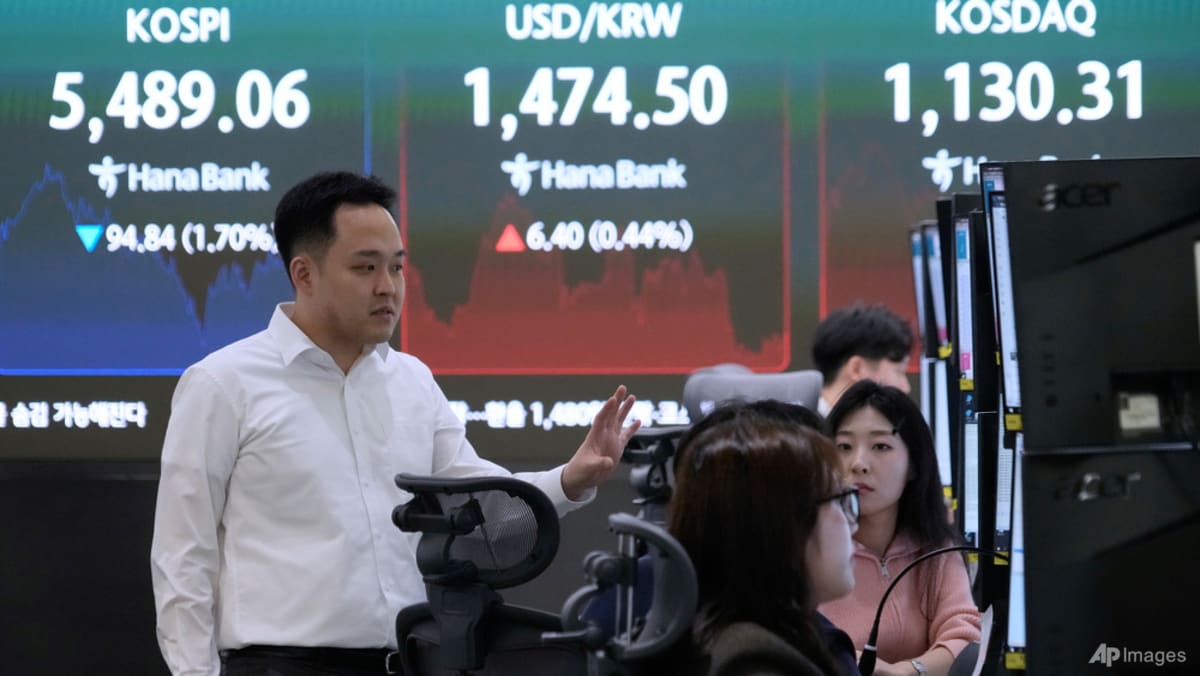
Asian stock markets exhibited mixed results following losses on Wall Street, while oil prices experienced a slight decline. Investors remain cautious amid ongoing global economic uncertainties.
Asian Markets Show Mixed Reactions
Asian shares displayed a mixed performance on Monday as investors reacted to the previous week’s losses on Wall Street. The cautious sentiment in the market was further compounded by a slight decline in oil prices, which has been a significant factor influencing market dynamics globally.
Wall Street's Impact
Last week, Wall Street saw a downturn, with major indices closing lower amid concerns over rising interest rates and inflationary pressures. The Dow Jones Industrial Average, the S&P 500, and the Nasdaq all recorded losses, prompting a ripple effect across Asian markets. Investors are particularly wary of the Federal Reserve's next moves, with speculation surrounding potential interest rate hikes to combat persistent inflation.
Oil Prices Edge Lower
In the commodities market, oil prices edged lower, with Brent crude trading at approximately $85 per barrel. This decline in oil prices comes as a relief to some investors, as high energy costs have been a significant contributor to inflation. However, the volatility in oil prices continues to create uncertainty for market participants, especially in energy-dependent economies.
Market Performance Across Asia
In Japan, the Nikkei 225 index opened lower, reflecting the negative sentiment from Wall Street. The index fell by 0.5% in early trading, as investors digested the implications of rising costs and potential monetary tightening. Conversely, Hong Kong's Hang Seng Index showed signs of resilience, gaining 0.3% amid hopes for a rebound in the local economy.
Meanwhile, in mainland China, the Shanghai Composite Index remained relatively stable, fluctuating around the previous day's close. Analysts suggest that the Chinese government’s continued support for economic recovery may help stabilize the market, despite ongoing challenges such as property sector woes and regulatory crackdowns.
Investor Sentiment and Future Outlook
Investor sentiment remains cautious as they await further economic data and corporate earnings reports. The upcoming week will be crucial, with several key economic indicators set to be released, including inflation rates and employment figures. These data points are expected to provide more clarity on the health of the global economy and the trajectory of interest rates.
Global Economic Concerns
Globally, concerns about a potential recession are mounting, particularly in light of rising borrowing costs and geopolitical tensions. The ongoing conflict in Ukraine and trade tensions between the U.S. and China continue to weigh heavily on investor confidence. As central banks around the world navigate these challenges, market volatility is likely to persist.
Conclusion
As Asian markets react to the mixed signals from Wall Street and the decline in oil prices, investors are urged to remain vigilant. The interplay between economic indicators, geopolitical developments, and central bank policies will be pivotal in shaping market trends in the coming weeks. With uncertainty looming, market participants are advised to adopt a cautious approach while seeking opportunities amidst the volatility.