Asian Economies Grapple with Impact of Trump's Tariffs
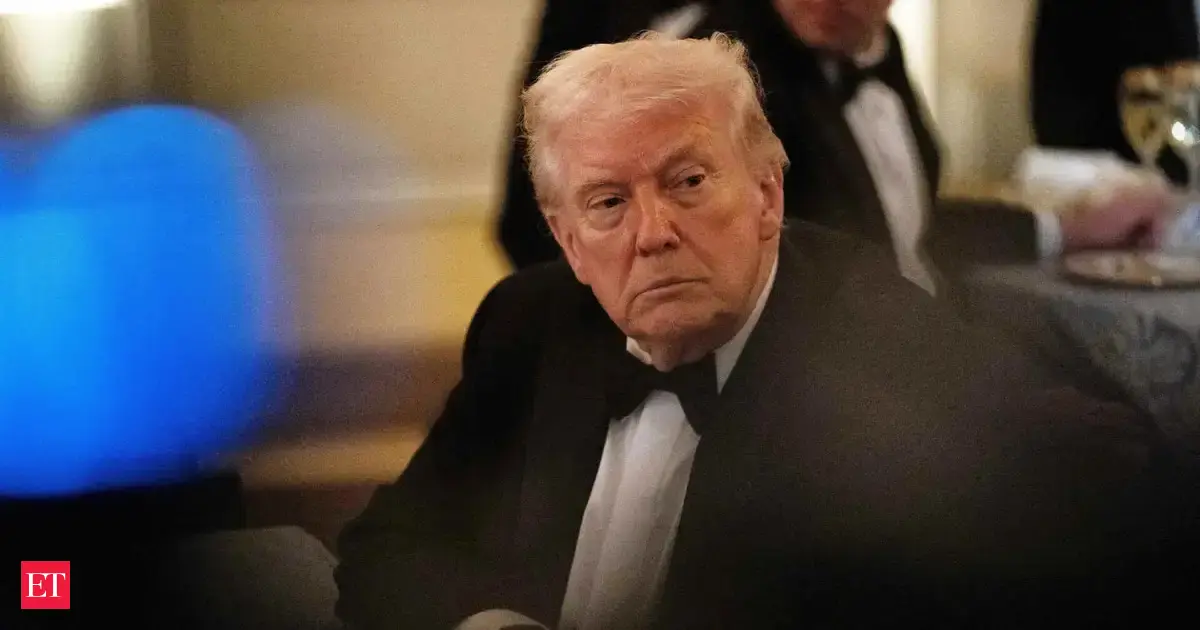
Asian economies are facing uncertainty as they navigate the implications of tariffs imposed by former President Donald Trump. This report explores how these tariffs are reshaping trade dynamics across the region.
Introduction
In an era marked by rapid globalization, the trade policies of major economies can have far-reaching implications. The tariffs imposed by former President Donald Trump during his administration have sent shockwaves through Asian economies, prompting a reevaluation of trade strategies and economic forecasts. As countries in the region strive to adapt, the long-term effects of these tariffs remain a topic of intense discussion.
The Tariff Landscape
Trump's administration introduced a series of tariffs aimed primarily at China, citing unfair trade practices and intellectual property theft. These tariffs, which affected hundreds of billions of dollars in goods, were designed to protect American industries but inadvertently created ripples across Asia. Countries like Japan, South Korea, and Vietnam, which have strong trade ties to both the U.S. and China, are now caught in a complex web of economic interdependencies.
Economic Repercussions
The imposition of tariffs has led to a significant increase in costs for businesses reliant on imported materials and components. For instance, manufacturers in Vietnam, who have seen a surge in foreign investment as companies seek to diversify their supply chains away from China, are now facing higher costs due to tariffs on raw materials. This situation has forced many businesses to reconsider their pricing strategies and operational models.
Shifts in Trade Dynamics
As Asian economies adjust to the new trade environment, some countries are positioning themselves as alternative manufacturing hubs. For example, India has been actively promoting its 'Make in India' initiative, aiming to attract foreign investment and reduce reliance on imports. Similarly, Thailand and Indonesia are also seeking to enhance their manufacturing capabilities to capture a share of the market that may be shifting away from China.
Regional Cooperation and Responses
In response to the challenges posed by Trump's tariffs, regional cooperation has become increasingly vital. The Regional Comprehensive Economic Partnership (RCEP), which includes 15 Asia-Pacific nations, is seen as a strategic move to bolster trade relations and reduce dependency on the U.S. market. By fostering stronger intra-regional trade ties, Asian economies hope to mitigate the impact of external tariffs and create a more resilient economic framework.
The Future of Trade in Asia
Looking ahead, the future of trade in Asia will likely be shaped by a combination of geopolitical tensions and economic strategies. While the Biden administration has signaled a potential shift in trade policy, the legacy of Trump's tariffs continues to loom large. Asian economies must remain agile, adapting to both the challenges and opportunities that arise in this evolving landscape.
Conclusion
The tariffs implemented by the Trump administration have left an indelible mark on Asian economies, prompting a reevaluation of trade practices and economic strategies. As countries navigate this complex environment, the emphasis on regional cooperation and diversification will be crucial in ensuring sustainable growth and resilience in the face of ongoing global uncertainties.