Asian Equities Plunge as Oil Prices Surge Amid Middle East Crisis
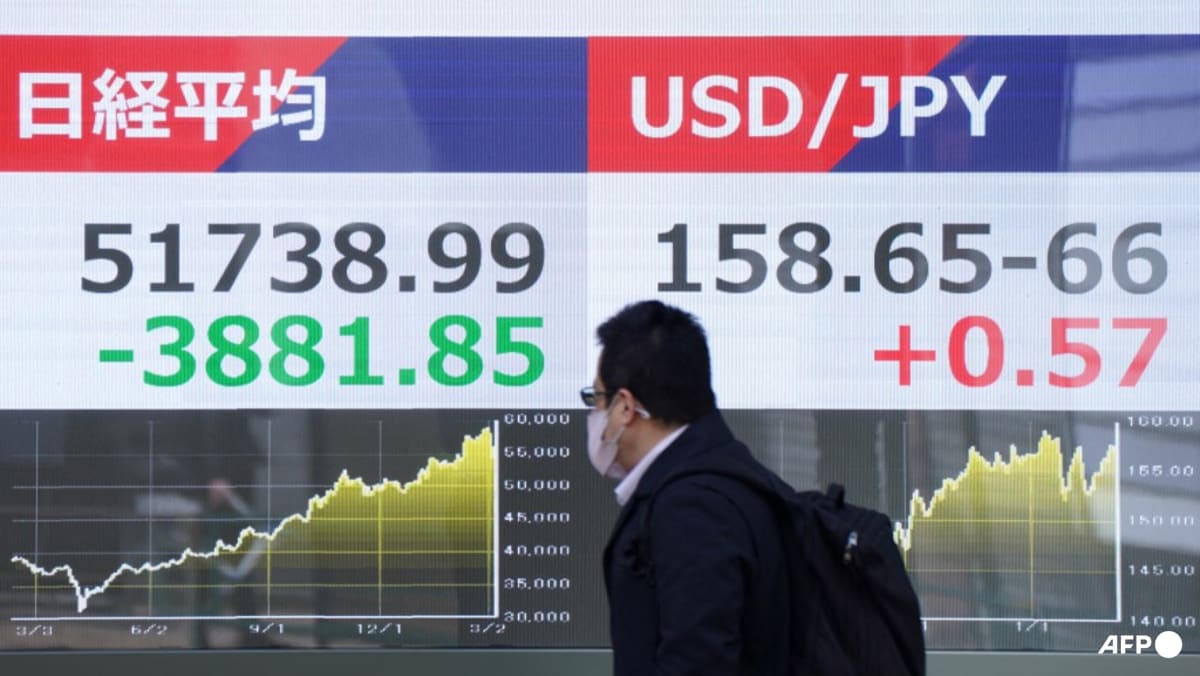
Asian stock markets experienced significant declines as oil prices soared by 30% due to escalating tensions in the Middle East. Investors are increasingly concerned about the potential economic fallout from the ongoing crisis.
Market Turmoil Following Middle East Escalation
In a dramatic turn of events, Asian equities have taken a substantial hit as oil prices surged by 30% following the outbreak of violence in the Middle East. The crisis, which has seen increased military actions and geopolitical tensions, has sent shockwaves through global markets, prompting investors to reassess their strategies amid fears of a prolonged conflict.
Impact on Asian Markets
Major stock indices across Asia faced steep declines, with Japan's Nikkei 225 dropping by over 2%, while Hong Kong's Hang Seng Index fell by approximately 3%. Investors reacted swiftly to the news, leading to a sell-off in various sectors, particularly those heavily reliant on oil and energy supplies. The heightened volatility in the markets reflects a growing concern about the potential for sustained high oil prices to impact economic growth across the region.
Oil Prices Reach New Heights
The surge in oil prices can be attributed to fears of supply disruptions stemming from the ongoing conflict. Brent crude oil, a global benchmark, reached levels not seen in years, prompting analysts to predict further increases if the situation escalates. The spike in prices has raised alarms among economists, who warn that sustained high oil costs could lead to inflationary pressures, ultimately affecting consumer spending and economic stability.
Investor Sentiment and Economic Outlook
Investor sentiment has turned increasingly bearish, with many analysts suggesting that the current geopolitical landscape could lead to a protracted period of uncertainty. “The implications of rising oil prices are far-reaching,” said Mark Tan, a senior analyst at a leading investment firm. “If the situation in the Middle East continues to deteriorate, we could see a significant slowdown in economic growth not just in Asia, but globally.”
Reactions from Governments and Central Banks
In response to the crisis, several governments in the region have begun to implement measures aimed at stabilizing their economies. The Bank of Japan has indicated that it may consider adjusting its monetary policy to mitigate the impact of rising energy costs on consumers. Similarly, the Hong Kong Monetary Authority is closely monitoring the situation and may take steps to ensure liquidity in the financial system.
Long-term Implications for Energy Markets
The ongoing crisis in the Middle East raises questions about the long-term stability of energy markets. Analysts suggest that if tensions persist, countries may need to diversify their energy sources to reduce reliance on oil from the region. This shift could accelerate the transition to renewable energy, as nations seek to enhance energy security and mitigate the risks associated with geopolitical conflicts.
Conclusion
The recent surge in oil prices and the corresponding plunge in Asian equities underscore the interconnectedness of global markets and the profound impact of geopolitical events on economic stability. As the situation in the Middle East continues to unfold, investors and policymakers alike will need to navigate a complex landscape characterized by uncertainty and volatility.