Asian Markets Plummet Amid AI Concerns and Middle East Tensions
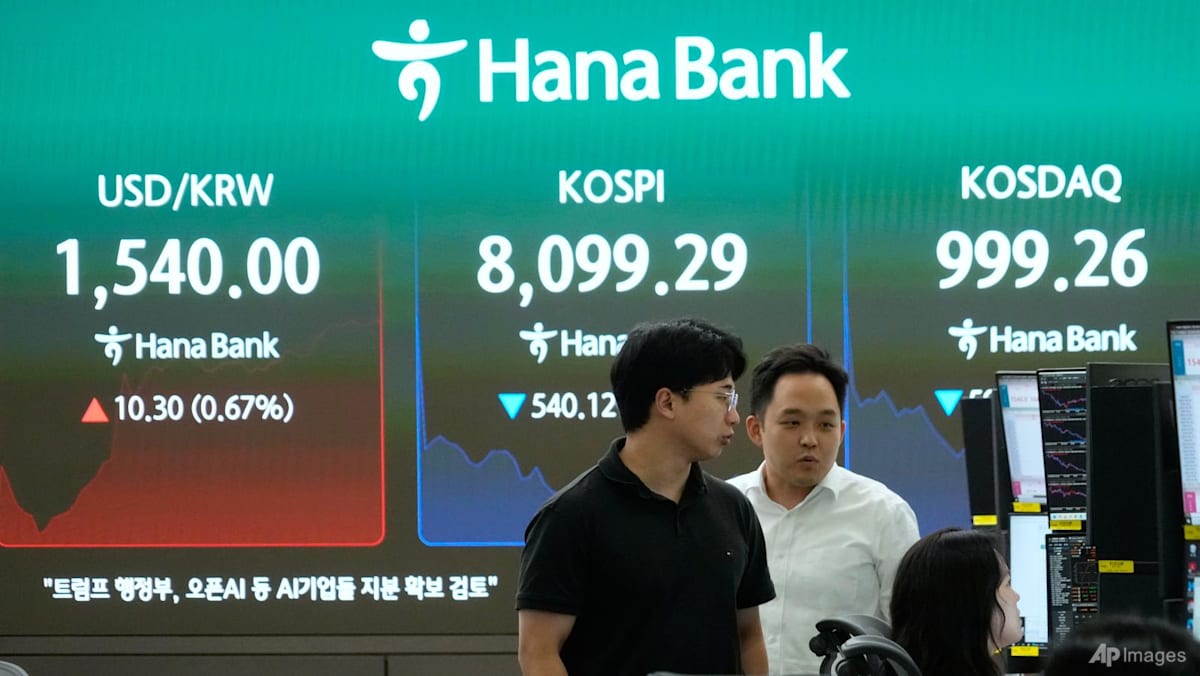
Asian stock markets faced significant declines as investors reacted to ongoing concerns surrounding artificial intelligence and escalating tensions in the Middle East. The combination of these factors has led to increased volatility across the region's financial landscape.
Introduction
Asian stock markets experienced another wave of declines on Thursday, driven by mounting concerns surrounding artificial intelligence (AI) and escalating geopolitical tensions in the Middle East. Investors are grappling with the implications of AI advancements on labor markets and economic stability, while the ongoing conflict in the region adds a layer of uncertainty to the financial outlook.
AI Concerns Weighing on Investor Sentiment
The rapid development of AI technologies has sparked a mixed bag of reactions among investors. On one hand, the potential for AI to drive productivity and innovation is undeniable; on the other, fears about job displacement and regulatory challenges are causing unease. Analysts suggest that the recent surge in AI-related stocks may have created an overvalued market, leading to a correction as investors reassess their positions.
In particular, tech-heavy indices have taken a hit, with major players in the AI space facing scrutiny over their business models and sustainability. The volatility surrounding AI stocks has led to a broader sell-off across various sectors, as investors adopt a cautious approach in light of the potential risks associated with this rapidly evolving technology.
Middle East Tensions Escalate
Compounding the market woes are the rising tensions in the Middle East, particularly the ongoing conflict between Israel and Hamas. The situation has prompted fears of a broader regional conflict, which could have far-reaching implications for global oil prices and supply chains. As a result, investors are increasingly wary of the potential economic fallout from the unrest.
Oil prices have already begun to react to the uncertainty, with crude futures climbing as traders price in the risk of supply disruptions. This spike in oil prices could further strain economies in Asia, many of which rely heavily on energy imports. The combination of rising energy costs and geopolitical instability is creating a perfect storm for Asian markets, leading to heightened volatility.
Market Reactions Across Asia
In response to these developments, major Asian indices have seen significant declines. Japan's Nikkei 225 fell by over 2%, while Hong Kong's Hang Seng Index dropped by 1.5%. Meanwhile, South Korea's KOSPI and China's Shanghai Composite Index also recorded losses, reflecting a broader trend of investor caution across the region.
Market analysts are urging investors to remain vigilant and consider diversifying their portfolios to mitigate risks. The current environment, characterized by uncertainty and volatility, necessitates a careful approach to investment decisions. Many are advocating for a focus on defensive stocks and sectors that may be less impacted by the ongoing geopolitical tensions and technological disruptions.
Looking Ahead
As the situation continues to evolve, market participants are closely monitoring developments in both the AI sector and the Middle East. The potential for further escalation in the region could lead to additional market fluctuations, while the pace of AI adoption and regulation will likely influence investor sentiment in the tech sector.
In conclusion, the intersection of AI advancements and geopolitical tensions is creating a challenging landscape for Asian markets. Investors are advised to stay informed and remain adaptable in their strategies as they navigate this period of uncertainty.