Asian Markets React to US-Iran De-escalation Amid Rising Oil Prices
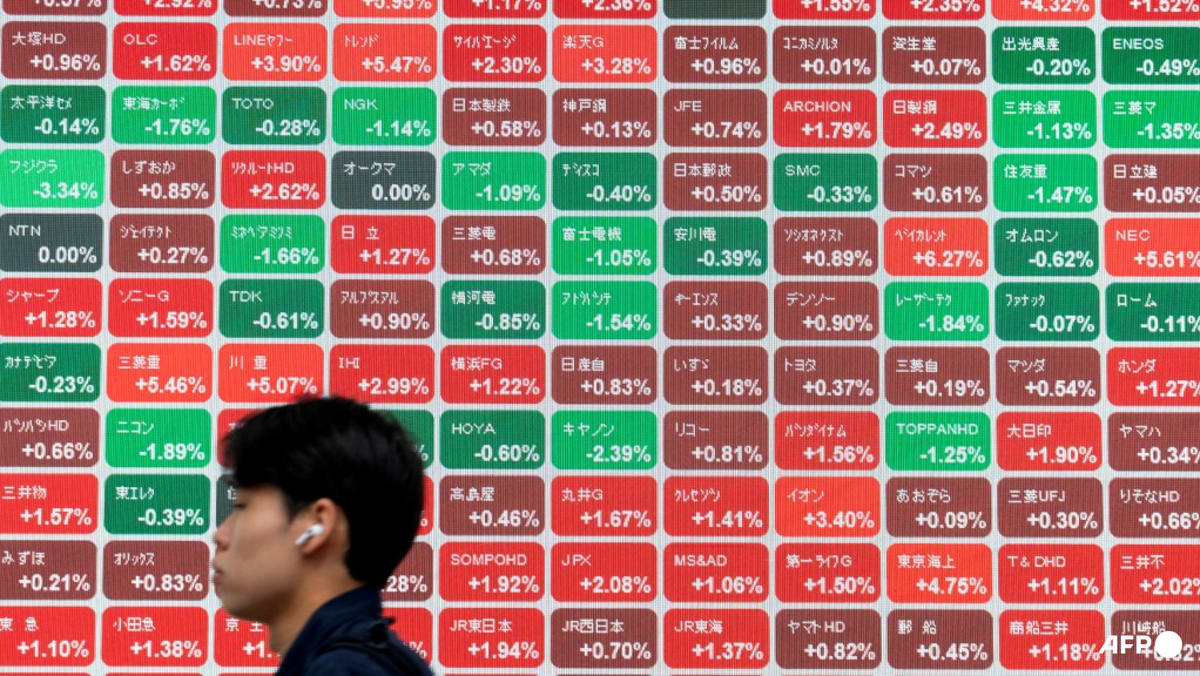
Asian stock markets displayed mixed results as tensions between the US and Iran eased, leading to a rise in oil prices. Investors remain cautious amidst ongoing geopolitical uncertainties.
Asian Markets Mixed as Oil Prices Climb
In a day marked by fluctuating investor sentiment, Asian stock markets showed mixed results on Wednesday as the geopolitical landscape shifted following a call for de-escalation between the United States and Iran. The easing of tensions has led to a notable increase in oil prices, raising concerns and opportunities for investors across the region.
US and Iran Call for De-escalation
Recent communications between the US and Iranian officials have indicated a mutual desire to curb the cycle of retaliatory attacks that have characterized their relationship in recent months. This diplomatic overture comes after a series of incidents that had raised fears of a broader conflict in the Middle East, which could have significant implications for global oil supply and prices.
Impact on Asian Stock Markets
As a result of this development, Asian markets reacted with a mix of optimism and caution. Japan's Nikkei 225 index rose by 0.5%, buoyed by the prospect of stabilized oil prices, which are crucial for the country's energy-dependent economy. Conversely, Hong Kong's Hang Seng Index saw a slight decline of 0.3%, reflecting ongoing investor uncertainty regarding the broader implications of the US-Iran dynamics.
Oil Prices on the Rise
Brent crude oil prices surged by over 2% in early trading, reaching $83 per barrel, as traders reacted to the potential for reduced hostilities in the region. Analysts suggest that a stable oil market is essential for Asian economies, many of which are heavily reliant on energy imports. The rise in oil prices, while beneficial for producers, poses a challenge for consumers and businesses that depend on stable energy costs.
Investor Sentiment and Future Outlook
Investor sentiment remains cautious as many are waiting to see how the situation unfolds. “While the news from the US and Iran is a positive development, the underlying tensions remain,” stated Hiroshi Takeda, chief economist at a leading Tokyo-based investment firm. “We need to see concrete actions that reflect this diplomatic dialogue before we can fully trust the stability of the markets.”
Geopolitical Risks Persist
Despite the positive signals from the US and Iran, geopolitical risks continue to loom large over the region. The ongoing conflict in Ukraine, coupled with tensions in the South China Sea, has kept investors on edge. The situation underscores the interconnectedness of global markets and the potential for localized conflicts to have far-reaching economic consequences.
Conclusion: A Cautious Path Forward
As Asian markets navigate this complex landscape, the call for de-escalation between the US and Iran offers a glimmer of hope for stability. However, with oil prices on the rise and geopolitical uncertainties still prevalent, investors are advised to remain vigilant and prepared for potential volatility in the coming weeks. The interplay between diplomacy and market dynamics will be crucial in shaping the economic outlook for the region.