Asian Markets Struggle to Follow Wall Street's Lead Amid Yen's Continued Decline
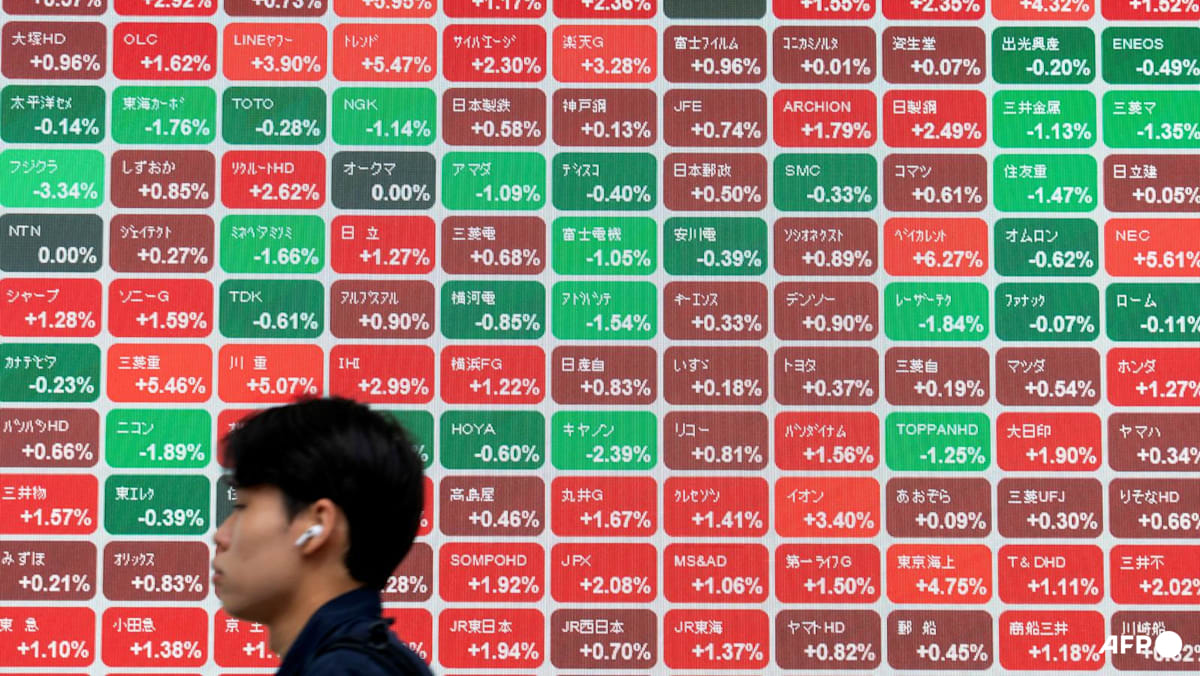
Asian stock markets faced challenges in tracking Wall Street's gains as economic concerns lingered. The Japanese yen remains at a 40-year low, raising alarm among investors regarding the region's economic stability.
Asian Markets Struggle to Gain Traction
Asian stock markets opened the week on a cautious note, failing to capitalize on the positive momentum from Wall Street's recent performance. Investors are grappling with a mix of economic uncertainties and geopolitical tensions that are dampening market enthusiasm across the region.
Wall Street's Gains Not Reflected in Asia
Despite Wall Street closing higher last Friday, buoyed by stronger-than-expected corporate earnings reports, Asian indices struggled to mirror this optimism. The Nikkei 225 in Japan fell by 0.5%, while Hong Kong's Hang Seng Index dropped 1.2%, reflecting a broader trend of investor caution.
The Yen's Plunge and Its Implications
One of the most pressing concerns for Asian markets is the continued decline of the Japanese yen, which has reached a 40-year low against the US dollar. The yen's weakness has raised alarms about Japan's economic health, leading to fears of inflation and reduced purchasing power for consumers. Analysts suggest that the Bank of Japan's loose monetary policy, aimed at stimulating growth, is contributing to the currency's depreciation.
Investor Sentiment and Economic Outlook
Investor sentiment remains fragile as concerns about rising interest rates in the United States and potential economic slowdowns in China weigh heavily on market performance. The Federal Reserve's recent signals about maintaining higher interest rates to combat inflation have left many investors wary about the global economic outlook.
China's Economic Challenges
In Mainland China, economic growth has been sluggish, with key indicators such as manufacturing and consumer spending showing signs of weakness. The government has implemented various measures to stimulate the economy, but confidence among investors remains low. The Shanghai Composite Index saw a decline of 0.8% as investors reacted to disappointing economic data and ongoing regulatory crackdowns in key sectors.
Geopolitical Tensions Add to Market Volatility
Geopolitical tensions in the region, particularly concerning Taiwan and North Korea, have further complicated the investment landscape. Investors are closely monitoring developments, as any escalation could have significant repercussions for regional stability and economic growth.
Outlook for Investors
As the week progresses, investors are advised to remain vigilant and cautious. Analysts recommend diversifying portfolios and keeping an eye on economic indicators that could signal shifts in market trends. The ongoing volatility in currency markets, particularly with the yen, poses risks that could impact broader economic conditions in Asia.
Conclusion
In summary, Asian stock markets are grappling with a challenging environment, marked by the yen's decline and broader economic uncertainties. While Wall Street's gains offer a glimmer of hope, the underlying issues in the region suggest that investors may need to brace for continued volatility in the days ahead.