Beijing Blacklists EU Firms Over Taiwan Weapons Links
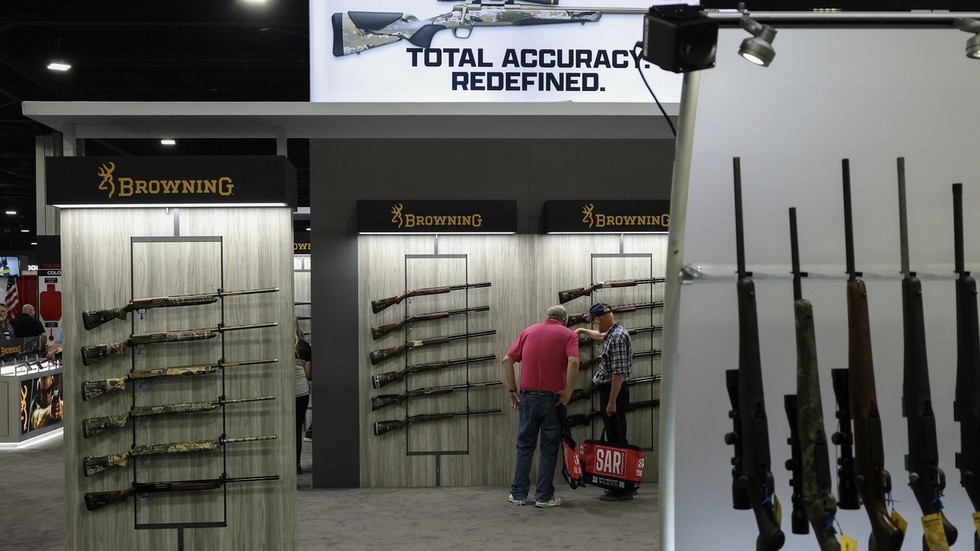
In a significant escalation of tensions, Beijing has imposed sanctions on several European companies linked to arms sales to Taiwan. This move underscores China's growing frustration with foreign military support for the island.
Beijing Takes Action Against EU Firms
In a bold move reflecting the escalating tensions surrounding Taiwan, the Chinese government has officially blacklisted several European companies believed to be involved in the supply of weapons to the island. This decision marks a significant step in China's ongoing efforts to assert its sovereignty over Taiwan and to deter foreign military support that it views as a direct threat.
Details of the Blacklist
The specific companies targeted by the sanctions have not been publicly disclosed, but sources indicate that they are primarily involved in defense and military manufacturing. The Chinese authorities have stated that these firms will face restrictions on their operations within China, including potential bans on doing business in the country and limitations on accessing Chinese markets.
Context of the Sanctions
This latest move comes amid heightened tensions between China and the West, particularly in the context of Taiwan's defense capabilities. The island has been bolstering its military in response to increasing pressure from Beijing, which has not ruled out the use of force to achieve reunification. In recent months, the U.S. and several European nations have ramped up arms sales to Taiwan, further aggravating the situation.
China's Stance on Taiwan
China views Taiwan as a breakaway province and has consistently opposed any form of international recognition or support for the island's military independence. The Chinese government has repeatedly warned that it will take necessary actions against any country or entity that it perceives as undermining its territorial integrity. The blacklisting of EU firms is seen as a clear signal of China's resolve to counteract foreign influence in the Taiwan Strait.
Reactions from the EU
The European Union has yet to respond officially to the sanctions. However, diplomatic sources suggest that there is growing concern among EU member states regarding China's aggressive stance toward Taiwan and the implications for European businesses operating in the region. The EU has been advocating for a balanced approach to relations with China while supporting Taiwan's right to self-defense.
Implications for International Relations
This development is likely to complicate international relations further, particularly as the U.S. and its allies continue to support Taiwan amid rising tensions with China. Analysts suggest that the blacklisting could lead to retaliatory measures from the EU, potentially straining trade relations between Europe and China.
Future Prospects
As the situation continues to evolve, it remains to be seen how both sides will navigate this complex geopolitical landscape. The blacklisting of EU firms is a stark reminder of the fragile balance of power in the region and the potential for conflict should diplomatic efforts fail. Observers are calling for renewed dialogue to address the underlying issues and to prevent further escalation.
Conclusion
In conclusion, Beijing's decision to blacklist European firms over their involvement in arms sales to Taiwan is a significant development in the ongoing tensions between China and the West. As both sides prepare for a potentially turbulent future, the international community watches closely, hoping for a resolution that prioritizes peace and stability in the region.