Beijing Tightens Social Control in Hong Kong Amid Growing Dissent
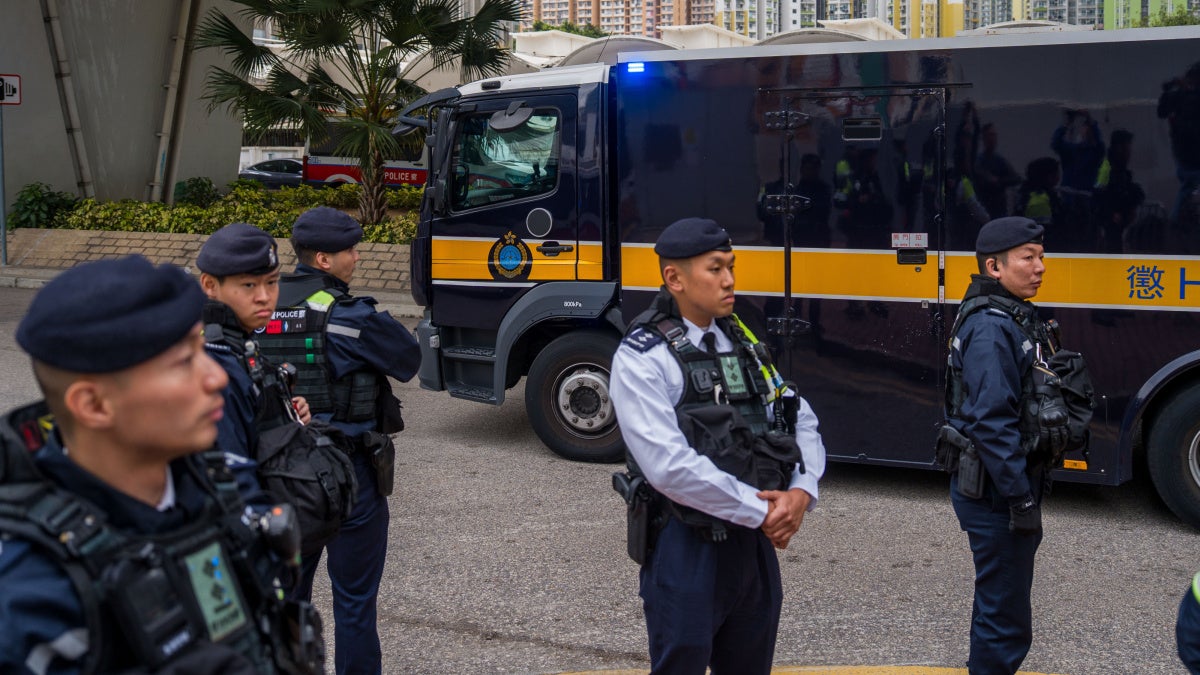
In a significant move to curb dissent, Beijing has intensified its social control measures in Hong Kong, raising concerns among residents and human rights organizations. The implications of these actions threaten the city's autonomy and civil liberties, sparking widespread debate about the future of governance in the region.
Introduction
In recent months, the political landscape of Hong Kong has undergone a drastic transformation as Beijing implements stricter social control measures. These developments have raised alarm among human rights organizations and local residents, who fear for their freedoms and the future of the city's autonomy.
Beijing's Strategy
According to a report by Human Rights Watch, the Chinese government has systematically tightened its grip on Hong Kong since the imposition of the National Security Law in 2020. This law has been used to suppress dissent, with authorities increasingly targeting activists, journalists, and ordinary citizens who voice opposition to the government.
Impact on Civil Liberties
The repercussions of these measures are profound. The Hong Kong police have expanded their powers, enabling them to arrest individuals for a wide range of activities that were previously considered protected under the city's legal framework. Protests, once a hallmark of Hong Kong's vibrant civil society, have been largely silenced, with many activists either imprisoned or forced into exile.
Human Rights Concerns
Human Rights Watch has documented numerous instances of arbitrary detention and unfair trials, raising serious concerns about the erosion of judicial independence in the region. The organization highlights that the chilling effect of the National Security Law has led to self-censorship among media outlets and a significant decline in press freedoms.
Public Sentiment
Public sentiment in Hong Kong is increasingly polarized. While some residents support the government's efforts to restore stability, many others express deep concern over the loss of freedoms and the diminishing prospects for democratic governance. The fear of reprisal has led to a culture of silence, where individuals are hesitant to speak out against the government.
International Response
The international community has reacted strongly to Beijing's actions in Hong Kong. Several countries, including the United States and the United Kingdom, have condemned the crackdown on civil liberties and called for the restoration of Hong Kong's autonomy. Sanctions have been imposed on key Chinese officials, but the effectiveness of these measures remains to be seen.
The Future of Hong Kong
As Beijing continues to tighten its control, the future of Hong Kong's unique identity and governance structure hangs in the balance. The city's residents are left grappling with the implications of these changes, as they navigate a landscape where dissent is increasingly dangerous and civil liberties are under constant threat.
Conclusion
The tightening of social control in Hong Kong represents a significant shift in the region's political dynamics. With the erosion of freedoms and the rise of authoritarian governance, the implications for the future of Hong Kong are dire. As the world watches, the resilience of its people will be tested in the face of unprecedented challenges.