Billboard Truck Highlights Birth Tourism Controversy at Chinese Embassy
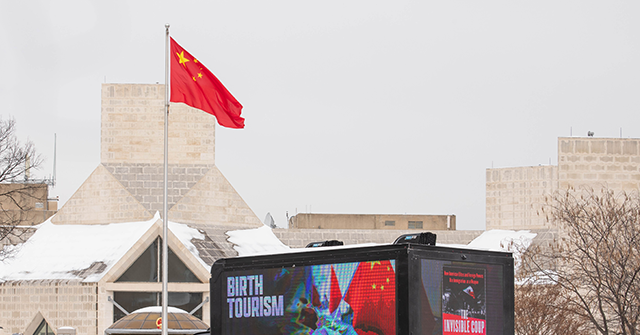
A provocative billboard truck has brought attention to the issue of birth tourism, targeting the Chinese Embassy in the United States. This campaign aims to raise awareness about the implications of foreign births and citizenship policies.
Introduction to the Birth Tourism Issue
In a bold move that has sparked significant discussion, a billboard truck dubbed ‘The Invisible Coup’ has parked itself outside the Chinese Embassy in Washington, D.C. This eye-catching vehicle aims to shed light on the controversial practice of birth tourism, where expectant mothers travel abroad to give birth, thereby securing citizenship for their children in countries like the United States.
The Campaign's Message
The billboard truck displays stark messages that highlight the perceived dangers of this phenomenon, which critics argue undermines national sovereignty and immigration policies. The campaign, organized by a coalition of activists, seeks to challenge the notion that birthright citizenship is a right that should be extended without scrutiny. The truck's presence at the Chinese Embassy is particularly pointed, given the significant number of Chinese nationals who engage in birth tourism to the U.S.
Understanding Birth Tourism
Birth tourism has become a contentious issue in recent years, with reports indicating that thousands of Chinese women travel to the United States each year to give birth. This practice allows their children to automatically acquire U.S. citizenship, which can provide numerous advantages, including access to education and healthcare, as well as the ability to live and work in the U.S. when they reach adulthood.
The Implications for China
Critics of birth tourism argue that it not only poses challenges for immigration systems but also raises questions about the motivations behind such decisions. Many Chinese families view U.S. citizenship as a pathway to better opportunities and a more favorable future for their children. However, this trend has led to increased scrutiny from both U.S. authorities and Chinese officials, who are concerned about the implications for national identity and social stability.
Government Responses
In response to the growing concerns surrounding birth tourism, both the U.S. and Chinese governments have taken steps to address the issue. In the U.S., lawmakers have proposed various measures to curb birthright citizenship, while Chinese authorities have launched campaigns to discourage citizens from engaging in birth tourism. These efforts reflect a broader struggle between individual aspirations and national interests.
The Broader Context
The billboard truck is part of a larger narrative surrounding immigration and citizenship policies, which have become increasingly polarized in recent years. As nations grapple with the complexities of globalization and migration, the issue of birth tourism serves as a microcosm of the broader debates about identity, belonging, and national sovereignty.
Public Reaction
The presence of the billboard truck has elicited a range of reactions from the public. Supporters of the campaign argue that it is essential to raise awareness about the implications of birth tourism, while critics contend that it unfairly stigmatizes families seeking better futures for their children. The debate continues to unfold, highlighting the complexities of immigration and citizenship in a rapidly changing world.
Conclusion
The ‘Invisible Coup’ billboard truck has successfully brought the issue of birth tourism to the forefront of public discourse, challenging perceptions and encouraging dialogue about citizenship policies. As the campaign continues, it remains to be seen how it will influence attitudes and policies surrounding this contentious issue, both in the United States and China.