Bipartisan Support Fuels CLARITY Act's Progress in Senate Banking Committee
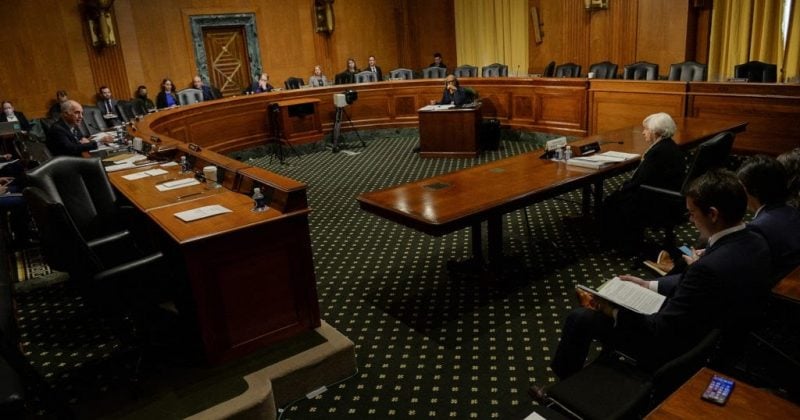
The CLARITY Act, aimed at providing clarity and regulation for digital assets, has successfully passed the Senate Banking Committee with bipartisan backing. This significant development signals a potential shift in the U.S. regulatory landscape for cryptocurrencies and blockchain technology.
Introduction
The landscape of cryptocurrency regulation in the United States is on the brink of transformation as the CLARITY Act has cleared the Senate Banking Committee with notable bipartisan support. This pivotal moment reflects a growing consensus among lawmakers regarding the need for a structured regulatory framework for digital assets, which have surged in popularity and complexity over the past few years.
Understanding the CLARITY Act
The CLARITY Act, or the “Clarifying Lawful Overseas Use of Data Act,” aims to provide a comprehensive regulatory framework for digital assets, including cryptocurrencies and blockchain technologies. The legislation seeks to define the legal status of various digital assets, ensuring that both consumers and businesses have a clear understanding of the rules governing this rapidly evolving market.
Bipartisan Support: A Rare Consensus
In a political climate often characterized by division, the bipartisan backing for the CLARITY Act is a noteworthy development. Senators from both major parties have recognized the importance of establishing a clear regulatory environment to foster innovation while protecting consumers. This cooperation indicates a shared understanding of the potential economic benefits that a well-regulated digital asset market can bring.
Potential Impacts on the Cryptocurrency Market
The passage of the CLARITY Act through the Senate Banking Committee is expected to have significant implications for the cryptocurrency market. By providing clarity on the legal status of digital assets, the legislation could encourage more institutional investment and participation in the market. Furthermore, it may help to alleviate some of the regulatory uncertainties that have previously hindered the growth of blockchain technology.
Consumer Protection and Market Integrity
One of the primary objectives of the CLARITY Act is to enhance consumer protection. As digital assets become more mainstream, the risk of fraud and market manipulation increases. The proposed regulations aim to establish safeguards that will protect investors while promoting transparency and integrity within the market. This is particularly crucial as more individuals and businesses engage with cryptocurrencies.
Global Implications
The implications of the CLARITY Act extend beyond the borders of the United States. As one of the largest markets for cryptocurrencies, U.S. regulations often set precedents that influence global practices. Other countries may look to the U.S. for guidance on how to approach digital asset regulation, potentially leading to a more harmonized international framework.
Next Steps in the Legislative Process
With the Senate Banking Committee's approval, the CLARITY Act will now move forward to the full Senate for consideration. If passed, it will then proceed to the House of Representatives, where further discussions and potential amendments may take place. Advocates for the legislation are optimistic about its chances, given the growing recognition of the importance of a clear regulatory framework for digital assets.
Conclusion
The successful passage of the CLARITY Act through the Senate Banking Committee marks a significant step toward establishing a regulatory framework for digital assets in the United States. With bipartisan support, the legislation has the potential to reshape the cryptocurrency landscape, fostering innovation while ensuring consumer protection. As the global market for digital assets continues to evolve, the eyes of the world will be on the U.S. to see how this legislation unfolds and what it means for the future of cryptocurrencies.