Brands Distance Themselves from Pokémon Amid Chinese Censorship Efforts
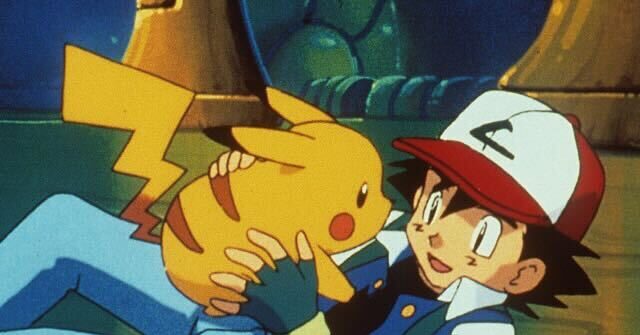
In a surprising turn of events, several brands have begun to sever ties with the Pokémon franchise in China following government-led censorship efforts. This move highlights the ongoing tension between creative expression and state control in the region.
Introduction
In a striking development within the gaming and entertainment industry, numerous brands have opted to distance themselves from the Pokémon franchise in China. This decision comes in the wake of increasing pressure from the Chinese government, which has been actively trying to censor and control the narrative surrounding popular video game franchises, including Pokémon.
The Rise of Censorship in China
China's approach to censorship has intensified in recent years, particularly concerning content that is perceived to undermine the Communist Party's authority or promote ideas contrary to its ideology. The Pokémon franchise, which has been a beloved part of global pop culture since its inception, has not been immune to this scrutiny. Reports indicate that the government has taken issue with certain themes and characters within the franchise, leading to a broader campaign to limit its influence.
Brands React to Government Pressure
In light of these developments, several companies that previously collaborated with Pokémon have begun to reevaluate their associations. Brands are now opting to withdraw from promotional partnerships and merchandise collaborations, fearing backlash from the government and potential repercussions for their business operations in China. This trend reflects a growing wariness among international brands operating within the Chinese market, where the stakes are high and government scrutiny is pervasive.
Impact on the Gaming Industry
The ramifications of this distancing are significant for the gaming industry as a whole. Pokémon has been a cornerstone of gaming culture, and its popularity has led to numerous collaborations with brands across various sectors. The withdrawal of these brands not only affects Pokémon's market presence but also sends a chilling message to other franchises that may be at risk of similar treatment.
Consumer Reactions
Consumer reactions to these developments have been mixed. Some fans express disappointment over the brands' decisions, feeling that they are capitulating to government pressure. Others, however, understand the business rationale behind these moves, recognizing the complex landscape that companies must navigate in China. The Pokémon community, in particular, has voiced concerns over the future of the franchise in a market that has been so crucial to its success.
The Broader Context
This situation is emblematic of a larger trend in China, where cultural and entertainment content is increasingly subject to government oversight. The Communist Party's efforts to control the narrative extend beyond video games, affecting films, television shows, and even literature. As brands continue to weigh the risks of operating in such an environment, the future of creative expression in China hangs in the balance.
Conclusion
As the Pokémon franchise faces unprecedented challenges in China, the reactions of brands and consumers alike will shape its future in the region. The ongoing tension between creative freedom and state control raises critical questions about the viability of international franchises in a market that is both lucrative and fraught with regulatory challenges. The coming months will be crucial in determining how this situation evolves and what it means for the broader landscape of entertainment in China.