Breakthrough in Wild Tomato Genome Research Unveils Recombination Barriers
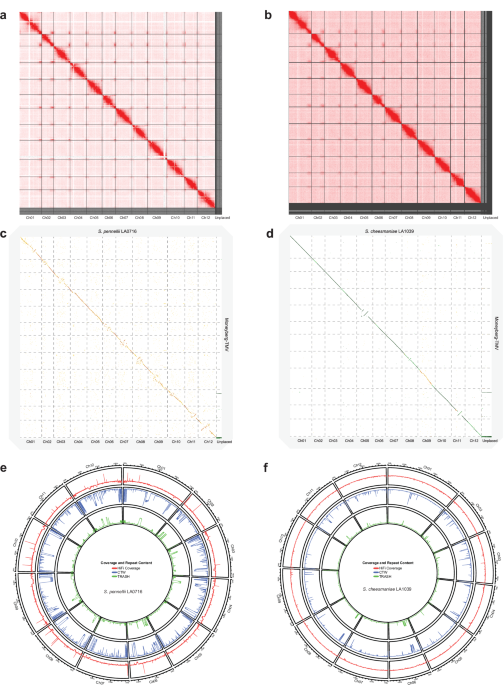
Recent studies on wild tomato genomes have revealed significant structural variants and repeat content that hinder genetic recombination. This discovery could have far-reaching implications for agricultural biotechnology and crop improvement.
Introduction
In a groundbreaking study published in Nature, researchers have unveiled the complexities of the wild tomato genome, shedding light on the structural variants and repeat content that act as barriers to genetic recombination. This research not only enhances our understanding of plant genetics but also opens new avenues for agricultural innovation.
Understanding the Wild Tomato
The wild tomato, a close relative of the cultivated tomato, serves as a vital genetic resource for breeding programs aimed at improving crop resilience and yield. Unlike its domesticated counterpart, the wild tomato exhibits a wide range of genetic diversity, which is essential for adapting to changing environmental conditions. However, the genetic intricacies of the wild tomato have long posed challenges for researchers and breeders alike.
Key Findings from the Study
The research team, comprising scientists from various institutions, conducted comprehensive genome assemblies of multiple wild tomato species. They discovered that structural variants—large-scale changes in the DNA sequence—play a crucial role in inhibiting recombination. Additionally, the presence of repetitive DNA sequences further complicates the genetic landscape, creating barriers that hinder the mixing of beneficial traits.
These findings are significant because recombination is a natural process that allows for genetic diversity and adaptation. When barriers exist, the potential for developing new, resilient crop varieties diminishes. The study emphasizes the importance of understanding these genetic barriers to harness the full potential of wild tomatoes in breeding programs.
Implications for Agricultural Biotechnology
The implications of this research extend far beyond the wild tomato itself. By identifying the specific structural variants and repeat content that impede recombination, scientists can develop targeted strategies to overcome these barriers. This could lead to enhanced breeding techniques that enable the incorporation of desirable traits from wild relatives into cultivated varieties.
For instance, traits such as disease resistance, drought tolerance, and improved nutritional content could be more effectively integrated into commercial tomato varieties. As global challenges such as climate change and food security loom, the ability to adapt crops rapidly is more crucial than ever.
Future Directions
Looking ahead, researchers aim to explore the genetic mechanisms underlying these recombination barriers further. By employing advanced genomic technologies, including CRISPR and other gene-editing tools, scientists hope to devise methods to bypass these obstacles. The ultimate goal is to create hybrid varieties that not only thrive in diverse environments but also meet the nutritional needs of a growing global population.
Moreover, this study sets a precedent for examining other crops that may exhibit similar genetic complexities. As the field of agricultural biotechnology continues to evolve, the lessons learned from wild tomato genomes could pave the way for innovative solutions to enhance food production worldwide.
Conclusion
The revelation of structural variants and repeat content as recombination barriers in the wild tomato genome marks a significant advancement in plant genetics. As researchers continue to decode the complexities of this vital species, the potential for agricultural innovation grows. By leveraging the genetic diversity of wild tomatoes, we may soon see a new era of crop improvement that addresses the pressing challenges of our time.