BYD Reports Significant Drop in Q1 Net Profit Amidst Market Challenges
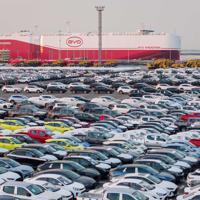
Chinese electric vehicle manufacturer BYD has reported a staggering 55 percent decline in its net profit for the first quarter of the year. This downturn highlights the growing challenges faced by the company in an increasingly competitive EV market.
Introduction
In a recent financial disclosure, BYD, one of China's leading electric vehicle (EV) manufacturers, reported a dramatic 55 percent drop in its net profit for the first quarter of the year. This decline has raised concerns among investors and industry analysts about the sustainability of the company's growth amidst intensifying competition and market dynamics.
Financial Overview
BYD's net profit for the first quarter fell to approximately 2.4 billion yuan (about $350 million), a significant decrease from 5.3 billion yuan in the same period last year. The company's revenue also took a hit, declining by 10 percent to 85.2 billion yuan. This downturn has sparked discussions regarding the broader implications for the EV market in China, which has been characterized by rapid growth and innovation.
Market Challenges
The decline in BYD's profits can be attributed to several factors. Firstly, the EV market in China has become increasingly saturated, with numerous domestic and international players vying for market share. This has led to aggressive pricing strategies, which, while beneficial for consumers, have put pressure on profit margins for manufacturers.
Moreover, the global supply chain disruptions, particularly in semiconductor availability, have continued to affect production capabilities across the automotive industry. BYD, like many other manufacturers, has faced challenges in sourcing essential components, leading to delays and increased production costs.
Competitive Landscape
BYD is not alone in facing these challenges. Other major players in the EV sector, including Tesla and NIO, have also reported fluctuating profits as they navigate the complex landscape of supply chain issues and fierce competition. Tesla, for instance, has been forced to adjust its pricing strategies to maintain its market dominance, impacting its profit margins.
In response to the competitive pressure, BYD has been focusing on expanding its product lineup and enhancing its technological capabilities. The company has introduced several new models aimed at different segments of the market, including electric buses and commercial vehicles, in an effort to diversify its revenue streams.
Future Outlook
Despite the current challenges, analysts remain cautiously optimistic about BYD's long-term prospects. The company has a strong brand presence in China and is well-positioned to capitalize on the growing demand for electric vehicles, particularly as the government continues to promote green energy initiatives.
Moreover, BYD's recent investments in battery technology and renewable energy solutions could provide new avenues for growth. The company's commitment to innovation and sustainability aligns with global trends towards cleaner transportation, which could bolster its market position in the future.
Conclusion
As BYD navigates through this challenging period, the company's ability to adapt to market conditions and consumer demands will be crucial. While the recent drop in net profit is a cause for concern, it also serves as a reminder of the volatile nature of the EV market. Stakeholders will be closely watching how BYD responds to these challenges in the coming quarters, as the company strives to maintain its leadership position in the electric vehicle industry.