Cardinal Zen Criticizes Synodality as Manipulative and Disrespectful to Bishops
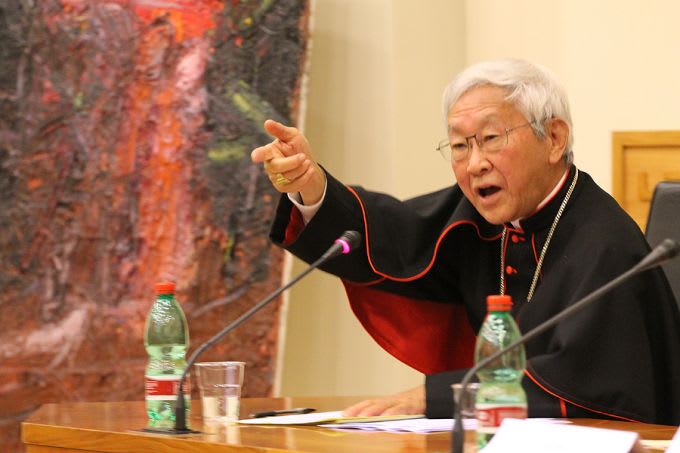
Cardinal Joseph Zen has expressed strong opposition to the concept of synodality during a recent consistory, describing it as an 'ironclad manipulation' and an 'insult' to bishops. His remarks highlight ongoing tensions within the Catholic Church regarding governance and authority.
Cardinal Zen's Strong Opposition to Synodality
In a recent consistory held in Rome, Cardinal Joseph Zen, the former Bishop of Hong Kong, delivered a scathing critique of the Catholic Church's current approach to governance, particularly the concept of synodality. Zen characterized synodality as an 'ironclad manipulation' and an 'insult' to bishops, raising significant concerns about the future direction of the Church under this model.
Understanding Synodality
Synodality, a term that has gained prominence under the leadership of Pope Francis, refers to a more collaborative and participatory approach to Church governance. It emphasizes the importance of listening to the voices of the faithful, including laity and clergy alike, in decision-making processes. However, critics like Cardinal Zen argue that this approach undermines the traditional authority of bishops and could lead to confusion and division within the Church.
Zen's Concerns
During his address, Cardinal Zen expressed deep concern that the push for synodality could dilute the doctrinal integrity of the Church. He argued that the process could be manipulated by those with agendas that may not align with the core teachings of Catholicism. Zen's remarks resonate with many traditionalists who fear that synodality could pave the way for theological liberalism and a departure from established Church doctrine.
A Call for Clarity
Zen's passionate defense of the traditional hierarchical structure of the Church highlights a growing rift between progressive and conservative factions within Catholicism. He called for a return to clarity and a reaffirmation of the authority of bishops, suggesting that the current model of synodality could lead to a crisis of leadership and faith among the Church's followers.
The Context of Cardinal Zen's Remarks
Cardinal Zen's comments come at a time when the Catholic Church is navigating numerous challenges, including declining attendance in many parts of the world, ongoing scandals, and a need to engage younger generations. The synodal process, which aims to address these issues through broader consultation, has been met with mixed reactions. While some see it as a necessary evolution, others, like Zen, view it as a potential threat to the Church's foundational principles.
Reactions from the Catholic Community
The reaction to Zen's remarks has been varied. Many conservative Catholics have applauded his courage in speaking out against what they perceive as a troubling trend within the Church. They argue that a clear and strong leadership is essential for maintaining the integrity of Catholic teachings. On the other hand, progressive members of the Church have criticized Zen's stance, arguing that synodality is a vital step toward a more inclusive and responsive Church.
Conclusion: The Future of the Catholic Church
As the Catholic Church continues to grapple with its identity and mission in the modern world, Cardinal Zen's remarks serve as a stark reminder of the complexities and challenges it faces. The debate over synodality is not merely an internal Church matter; it reflects broader societal changes and the ongoing struggle to balance tradition with the demands of contemporary life. The coming months will be crucial as the Church navigates these turbulent waters, and the voices of leaders like Cardinal Zen will undoubtedly play a significant role in shaping the discourse.