Cardinal Zen Critiques Synodality as 'Ironclad Manipulation' at Vatican Consistory
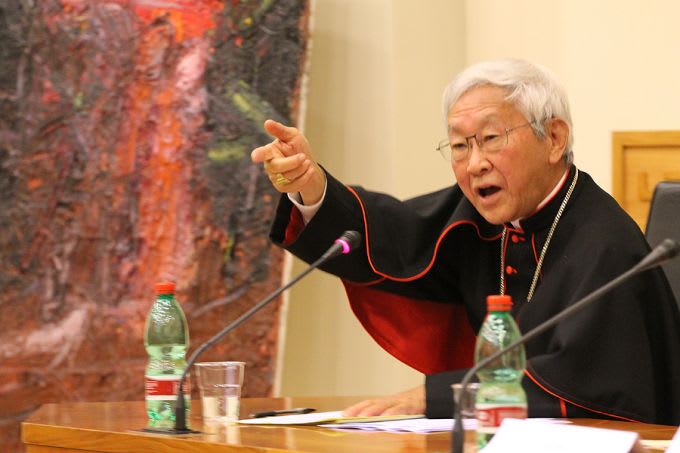
Cardinal Joseph Zen, a prominent figure in Hong Kong's Catholic community, has voiced strong opposition to the synodal process during a recent consistory in the Vatican. He described the approach as an 'insult' to bishops and a form of manipulation, raising concerns about the future of the Church's governance.
Cardinal Zen's Strong Remarks on Synodality
In a recent consistory held at the Vatican, Cardinal Joseph Zen, the retired bishop of Hong Kong, delivered a scathing critique of the Catholic Church's ongoing synodal process. Zen, a long-time advocate for religious freedom and a vocal critic of the Chinese Communist Party, described the synodality approach as 'ironclad manipulation' and an 'insult' to bishops worldwide.
Concerns Over Church Governance
Zen's comments come at a time when the Catholic Church is attempting to engage its faithful in a more participatory governance model through synodality, a process that aims to include diverse voices in decision-making. However, Cardinal Zen argues that this approach undermines the traditional authority of bishops and could lead to confusion and division within the Church. 'What is being presented as a democratic process is, in reality, a top-down manipulation,' he stated, expressing concern that the true voice of the Church is being silenced.
Context of Cardinal Zen's Critique
Cardinal Zen's remarks are particularly significant given his history of activism and his staunch defense of religious liberties in Hong Kong and mainland China. He has been a prominent figure in advocating for the rights of Catholics in Hong Kong, especially in light of the increasing restrictions imposed by the Chinese government. His opposition to the synodal process reflects a broader unease among some Church leaders who fear that the synodal approach could dilute the Church's teachings and authority.
Implications for the Catholic Church
The synodal process, initiated by Pope Francis, aims to create a more inclusive Church by encouraging dialogue among clergy and laity. However, critics like Cardinal Zen argue that this could lead to a departure from core Catholic doctrines. Zen's comments have sparked debate among theologians and churchgoers alike, with some supporting his views while others advocate for the synodal approach as a necessary evolution for the Church in the modern world.
Reactions from the Catholic Community
Responses to Cardinal Zen's statements have been mixed. Some bishops and theologians have echoed his concerns, emphasizing the importance of maintaining doctrinal integrity amidst calls for inclusivity. Others, however, argue that the Church must adapt to contemporary societal changes and that synodality is a step in the right direction.
The Future of Synodality
As the synodal process continues, the Catholic Church faces the challenge of balancing tradition with the need for reform. Cardinal Zen's outspoken criticism serves as a reminder of the complexities involved in navigating these changes, particularly in regions like Hong Kong, where political and religious freedoms are increasingly under threat.
Conclusion
Cardinal Zen's remarks at the Vatican consistory highlight the tensions within the Catholic Church regarding the synodal process. As the Church seeks to engage its members in new ways, the challenge will be to ensure that the core tenets of the faith remain intact while fostering a spirit of inclusivity and dialogue. The implications of this ongoing debate will likely resonate far beyond the walls of the Vatican, affecting Catholics around the world, especially in regions facing significant challenges to religious freedom.