Cathay Pacific and Google Collaborate on AI Trials to Mitigate Contrails
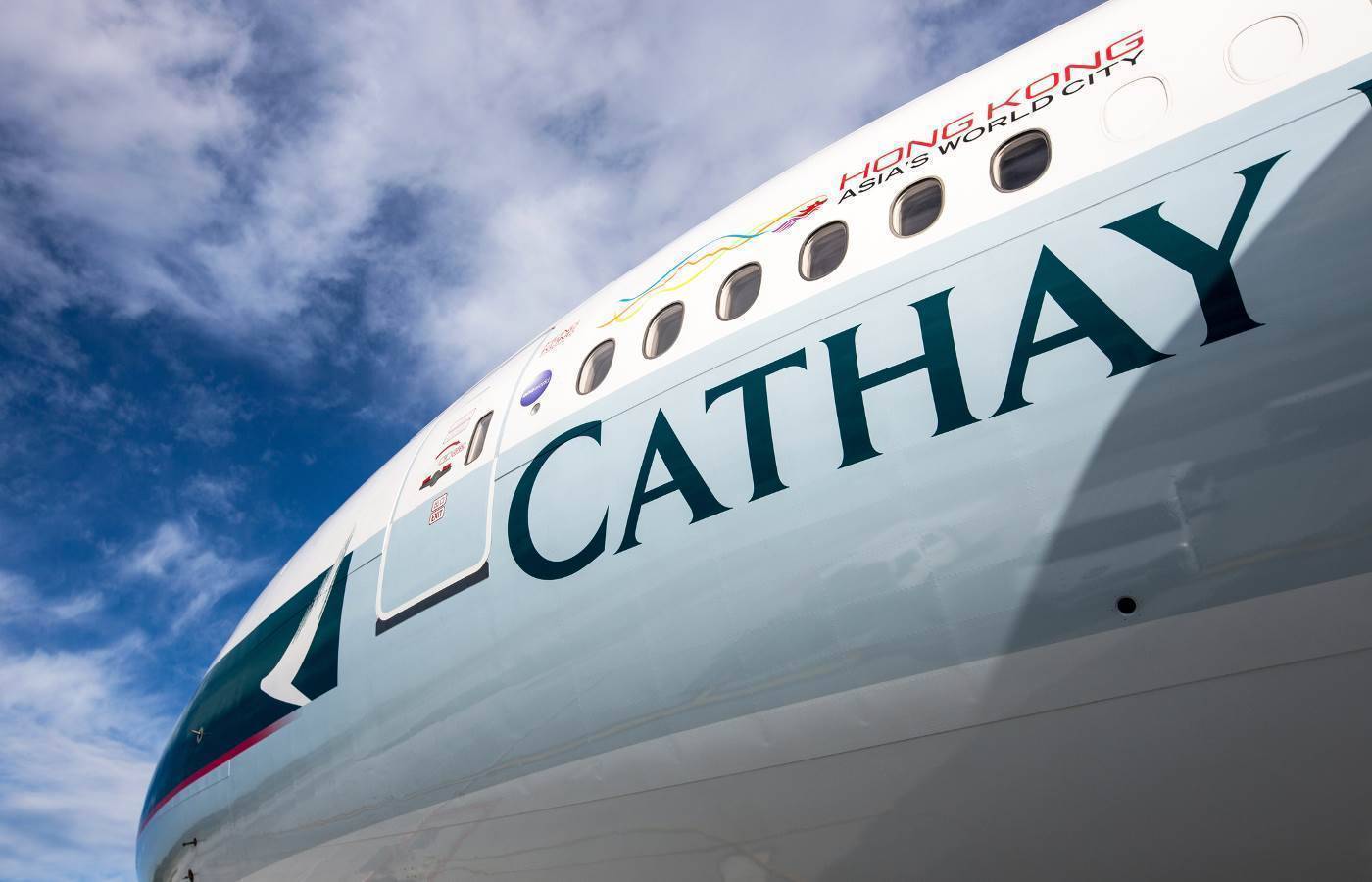
Cathay Pacific and Google are launching collaborative trials utilizing artificial intelligence to reduce contrails from aircraft. This initiative aims to enhance environmental sustainability in aviation while maintaining operational efficiency.
Cathay Pacific and Google Join Forces
Cathay Pacific Airways, Hong Kong's flagship airline, is taking a significant step towards environmental sustainability by partnering with tech giant Google. The two companies have announced a series of trials aimed at leveraging artificial intelligence (AI) technology to reduce contrails produced by aircraft during flights. This initiative not only highlights the airline's commitment to reducing its carbon footprint but also showcases the innovative potential of AI in addressing pressing environmental challenges.
Understanding Contrails and Their Environmental Impact
Contrails, short for condensation trails, are visible trails of condensed water vapor that form behind aircraft at high altitudes. While they may seem innocuous, these contrails can have a significant impact on climate change. They contribute to the greenhouse effect by trapping heat in the atmosphere, thus exacerbating global warming. As the aviation industry continues to grow, finding ways to minimize contrail formation has become a critical focus for airlines and environmentalists alike.
The Role of AI in Reducing Contrails
The collaboration between Cathay Pacific and Google aims to harness the power of AI to optimize flight paths and operational procedures, thereby reducing the formation of contrails. By analyzing various data points, including weather conditions, altitude, and aircraft performance, the AI system can suggest adjustments to flight operations that minimize contrail production. This innovative approach represents a significant advancement in the aviation sector's efforts to become more environmentally friendly.
Trial Phases and Expected Outcomes
The trials will be conducted in phases, with initial tests focusing on specific routes and conditions. Cathay Pacific plans to monitor the effectiveness of AI recommendations in real-time, allowing for immediate adjustments to flight plans. The airline hopes that by the end of the trial period, they will have a clearer understanding of how AI can be integrated into everyday operations to achieve a more sustainable flying experience.
Industry Response and Future Implications
The response from the aviation industry has been largely positive, with many experts recognizing the potential benefits of such technology. As airlines face increasing pressure to reduce their environmental impact, innovations like those being tested by Cathay Pacific and Google could set a precedent for the industry. If successful, this initiative could lead to broader adoption of AI-driven solutions across various airlines, ultimately contributing to a significant reduction in aviation-related emissions.
Broader Context of Sustainability in Aviation
The partnership comes at a time when the aviation industry is grappling with the dual challenges of increasing passenger demand and the urgent need for sustainable practices. Airlines worldwide are exploring various strategies to reduce their carbon footprints, including investing in more fuel-efficient aircraft, exploring alternative fuels, and enhancing operational efficiencies. The collaboration between Cathay Pacific and Google is a testament to the industry's willingness to innovate and adapt in the face of environmental challenges.
Conclusion
As Cathay Pacific and Google embark on this ambitious project, the aviation world watches closely. The outcomes of these trials could not only transform how airlines approach contrail management but also serve as a model for integrating cutting-edge technology into sustainable practices. With the stakes higher than ever, the success of this initiative could mark a pivotal moment in the journey towards greener skies.