Challenges of a Venezuela-Style Strike on Taiwan's Leadership
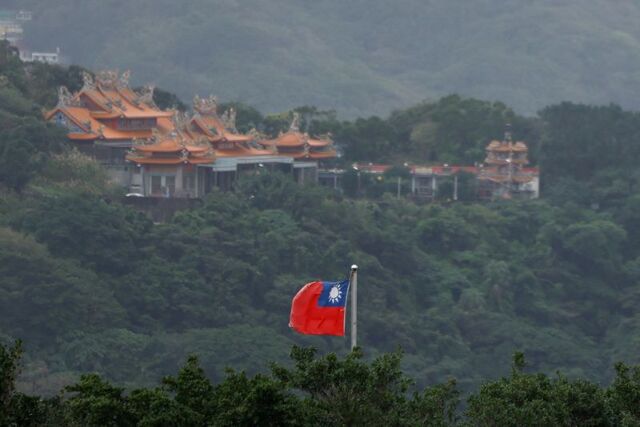
An analysis of the potential implications and difficulties China may face in attempting a Venezuela-style strike against Taiwan's leadership. The report delves into the geopolitical landscape and the complexities surrounding such an operation.
Introduction
As tensions continue to escalate in the Taiwan Strait, the prospect of a Venezuela-style strike on Taiwan's leadership has emerged as a topic of discussion among analysts and policymakers. This strategy, which involves targeting key political figures to destabilize a government, poses significant challenges for China, both logistically and politically.
The Venezuela Model
The concept of a Venezuela-style strike draws parallels with the tactics used in Venezuela, where political instability has been exacerbated by targeted actions against opposition leaders. In the case of Taiwan, such a strategy would aim to undermine the legitimacy of the government led by President Tsai Ing-wen, who has taken a firm stance against Beijing's increasing assertiveness.
Geopolitical Implications
Any attempt by China to replicate this model in Taiwan would not only require meticulous planning but also a keen understanding of the international repercussions. The current geopolitical climate is fraught with complexities, as Taiwan enjoys substantial support from the United States and other allies. A strike could provoke a swift and robust response from these nations, potentially leading to a broader conflict.
Challenges for China
Executing a Venezuela-style strike on Taiwan's leadership presents numerous challenges for China. Firstly, the operational logistics of such an action would be fraught with difficulties. Taiwan's geographical position, coupled with its advanced military capabilities, would make any covert operation highly risky. The potential for failure could embolden Taiwanese resistance and provoke international condemnation.
Domestic Backlash
Moreover, the Chinese Communist Party (CCP) must consider the domestic implications of such an aggressive move. The Chinese populace has been increasingly aware of Taiwan's political situation and its significance in the broader context of Chinese nationalism. A failed operation could lead to a backlash against the CCP, undermining its authority and credibility.
International Response
In the event of a strike, the international community's response would be crucial. The U.S. has reiterated its commitment to Taiwan's defense, and any aggression towards Taiwanese leadership could trigger a military response. Allies in the region, such as Japan and Australia, may also feel compelled to intervene, further complicating China's strategic calculations.
Conclusion
While the idea of a Venezuela-style strike on Taiwan's leadership may seem appealing to some factions within China, the practicalities of such an operation are daunting. The potential for international backlash, domestic unrest, and military failure creates a precarious situation for the CCP. As Taiwan continues to strengthen its defenses and garner international support, any aggressive maneuvers by China will likely be met with significant resistance, both on the ground and in the international arena.