China Approves Groundbreaking Brain Chip to Treat Paralysis
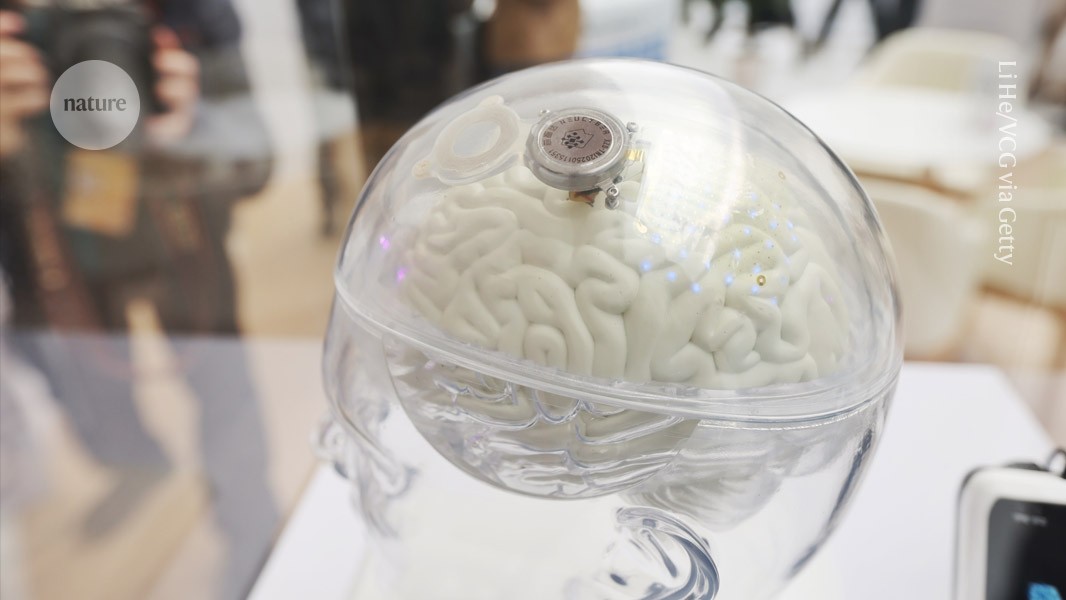
In a historic move, China has approved the world's first brain chip designed to treat paralysis, marking a significant advancement in neurotechnology. This innovative development promises to enhance the quality of life for millions affected by spinal cord injuries and other neurological disorders.
Introduction
In a groundbreaking development, China has become the first country in the world to approve a brain chip designed specifically for the treatment of paralysis. This revolutionary technology, which has the potential to restore movement and improve the quality of life for individuals suffering from spinal cord injuries, has garnered significant attention from the global medical community.
The Technology Behind the Brain Chip
The brain chip, developed by a team of Chinese scientists and engineers, utilizes advanced neuroprosthetics to establish a direct communication pathway between the brain and the muscles. By decoding neural signals, the chip can bypass damaged spinal cords, allowing patients to regain voluntary control over their limbs. This technology represents a fusion of neuroscience, engineering, and artificial intelligence, making it a significant leap forward in medical science.
Clinical Trials and Approval Process
The approval process for the brain chip involved extensive clinical trials, which demonstrated its efficacy and safety among a group of participants with varying degrees of paralysis. The trials showed promising results, with many patients experiencing significant improvements in their ability to move and perform daily tasks. The approval by Chinese health authorities marks a milestone not only for the researchers involved but also for the field of neurotechnology as a whole.
Potential Impact on Patients
For the millions of people worldwide who suffer from paralysis, the implications of this brain chip are profound. Traditional treatments often involve rehabilitation and physical therapy, which can be lengthy and may not yield significant results. In contrast, this brain chip offers a new avenue for recovery, potentially enabling users to regain mobility and independence. Experts believe that the chip could also be adapted for other neurological conditions, expanding its benefits beyond paralysis.
Global Reactions and Future Prospects
The announcement of the brain chip's approval has sparked excitement and curiosity across the globe. Medical professionals and researchers from various countries are eager to learn more about the technology and its applications. Some experts have expressed hope that this development could lead to collaborative efforts in neurotechnology research, fostering innovation and improving patient outcomes worldwide.
Ethical Considerations
While the potential benefits of the brain chip are significant, ethical considerations surrounding its use cannot be overlooked. Questions regarding accessibility, long-term effects, and the implications of brain-computer interfaces on personal autonomy are all areas that require careful examination. As the technology progresses, it will be essential for policymakers and medical professionals to address these concerns to ensure that the benefits of the brain chip are equitably distributed.
Conclusion
China's approval of the brain chip for treating paralysis marks a significant milestone in the intersection of technology and medicine. As researchers continue to refine the technology and explore its applications, the hope is that this innovation will pave the way for new treatments that can transform the lives of those affected by paralysis and other neurological disorders. The world will be watching closely as this technology evolves and its real-world applications unfold.