China Asserts Right to Punish Critics Globally, Raising Concerns Over Sovereignty
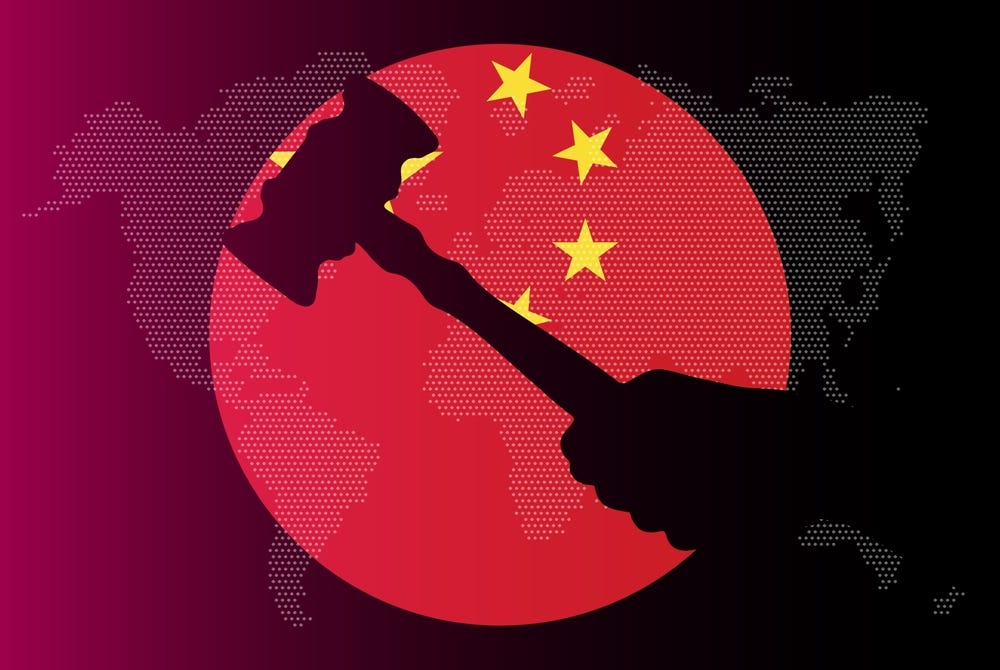
China's recent declaration of its right to punish critics worldwide has sparked a wave of international concern regarding human rights and freedom of expression. This move signals a significant escalation in China's efforts to silence dissent beyond its borders.
China's Global Reach: A New Era of Accountability?
In a bold and controversial move, the Chinese government has asserted its right to punish critics of the state anywhere in the world. This declaration, which has raised alarms among human rights advocates and international observers, marks a significant escalation in China's ongoing efforts to silence dissent and maintain its grip on power.
Context of the Declaration
The announcement comes amid a backdrop of increasing tensions between China and various Western nations, particularly over issues related to human rights, trade, and geopolitical influence. China's government has long been accused of suppressing free speech and dissent within its borders, but this new claim extends its reach far beyond, suggesting that critics of the regime could face repercussions regardless of their location.
Legal and Ethical Implications
Experts warn that this declaration poses serious legal and ethical dilemmas. The assertion challenges the principles of sovereignty and international law, raising questions about how nations will respond to China's claims. Critics argue that this could lead to a chilling effect on free speech globally, as individuals may fear repercussions for expressing dissenting opinions about the Chinese government.
International Reactions
International reactions to China's declaration have been swift and varied. Human rights organizations have condemned the move, calling it an affront to global norms of free expression. Amnesty International stated, "This is an alarming development that threatens the safety and rights of individuals who dare to speak out against the Chinese government." Meanwhile, some governments are grappling with how to respond, balancing diplomatic relations with the need to uphold human rights.
China's Justification
Chinese officials have defended their stance, arguing that they have a responsibility to protect their national interests and citizens, regardless of where they are located. In a recent statement, a spokesperson for the Chinese Foreign Ministry claimed, "We will not tolerate any actions that undermine our sovereignty or harm our national interests, no matter where they occur." This justification reflects a broader trend within the Chinese government to assert its authority in the face of perceived external threats.
The Impact on Global Activism
This declaration could have profound implications for global activism and the safety of dissidents. Activists and critics of the Chinese government may find themselves increasingly at risk, as the threat of punitive measures looms large. Some have already reported feeling unsafe, leading to increased self-censorship and a reluctance to engage in activism related to China.
Conclusion: A Call for Vigilance
As China continues to assert its right to punish critics worldwide, the international community must remain vigilant. This development not only challenges the principles of free expression but also raises urgent questions about the future of dissent in an increasingly interconnected world. Advocates for human rights and freedom of speech must unite to ensure that the voices of critics are not silenced by fear of retribution, regardless of where they reside.