China Calls for Immediate Ceasefire Amid Rising Tensions Following U.S. and Israel Strikes on Iran
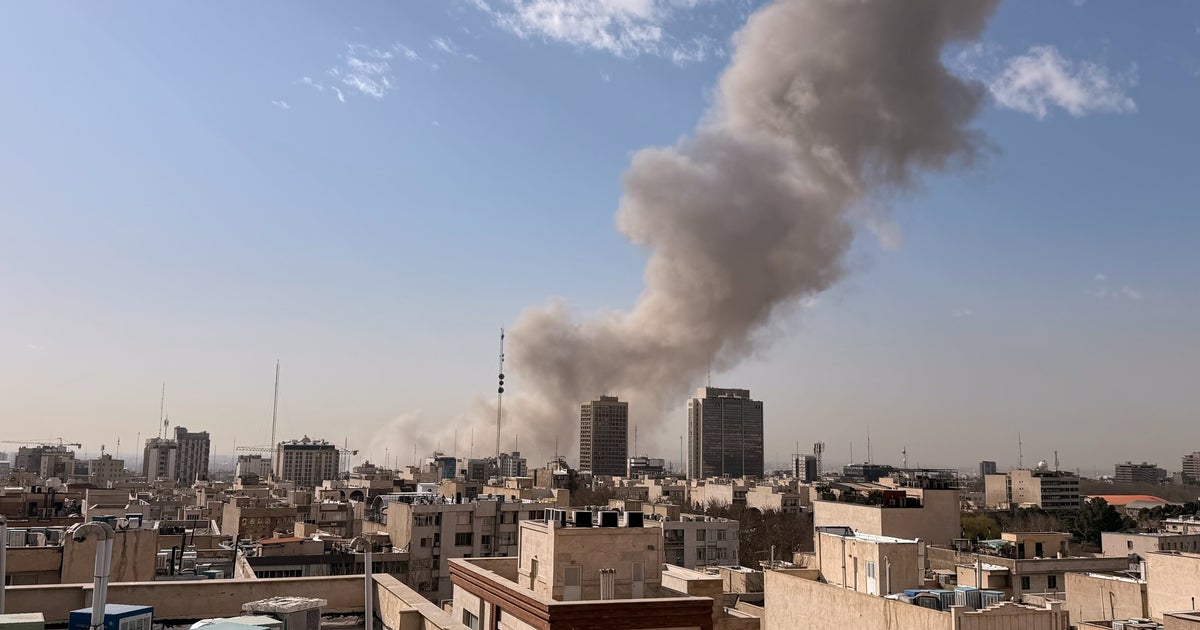
China has urged an immediate ceasefire in the wake of escalating military actions by the U.S. and Israel against Iran. This call comes as global tensions rise, with potential implications for regional stability and international relations.
Introduction
In a significant escalation of geopolitical tensions, China has called for an immediate ceasefire following recent military strikes by the United States and Israel against Iran. The Chinese government’s plea highlights its concern over the potential for wider conflict in the Middle East, which could have far-reaching implications for global stability and security.
Background of the Conflict
The recent strikes by the U.S. and Israel are reported to be in response to Iran's alleged involvement in supporting militant groups that threaten both nations' interests in the region. This military action has raised alarms not only in Iran but also among other nations that fear a broader conflict could ensue.
China's Position
China, which has historically maintained a close relationship with Iran, has expressed its opposition to the use of military force in resolving disputes. The Chinese Foreign Ministry issued a statement urging all parties involved to exercise restraint and engage in dialogue to resolve their differences peacefully. This stance is consistent with China's broader foreign policy approach, which emphasizes non-interference and diplomatic solutions.
International Reactions
The international community has reacted with a mixture of concern and condemnation following the strikes. Many countries have echoed China's call for a ceasefire, fearing that continued military actions could lead to a larger regional war. The United Nations has also urged all parties to return to the negotiating table, emphasizing the importance of diplomacy in resolving the ongoing tensions.
Implications for Regional Stability
The situation in the Middle East is already precarious, and the recent military actions could destabilize the region further. Iran has vowed to retaliate against any aggression, raising the specter of a potential military confrontation that could involve multiple nations. Analysts warn that if the situation escalates, it could lead to a humanitarian crisis and disrupt global oil supplies, given the region's significance as a major oil-producing area.
China's Strategic Interests
China's call for a ceasefire is not just a moral stance; it also reflects its strategic interests in the region. As a major importer of oil, China has a vested interest in maintaining stability in the Middle East. Additionally, China has been expanding its influence in the region through initiatives such as the Belt and Road Initiative, which aims to enhance trade and infrastructure development across Asia and beyond.
Conclusion
The situation remains fluid, with the potential for further military actions and diplomatic negotiations. China's call for an immediate ceasefire underscores the urgent need for dialogue and conflict resolution in a region fraught with tension. As the world watches closely, the coming days will be critical in determining whether diplomatic efforts can prevail over military escalation.