China Concludes Three-Year Factory Deflation Amidst Oil Price Surge
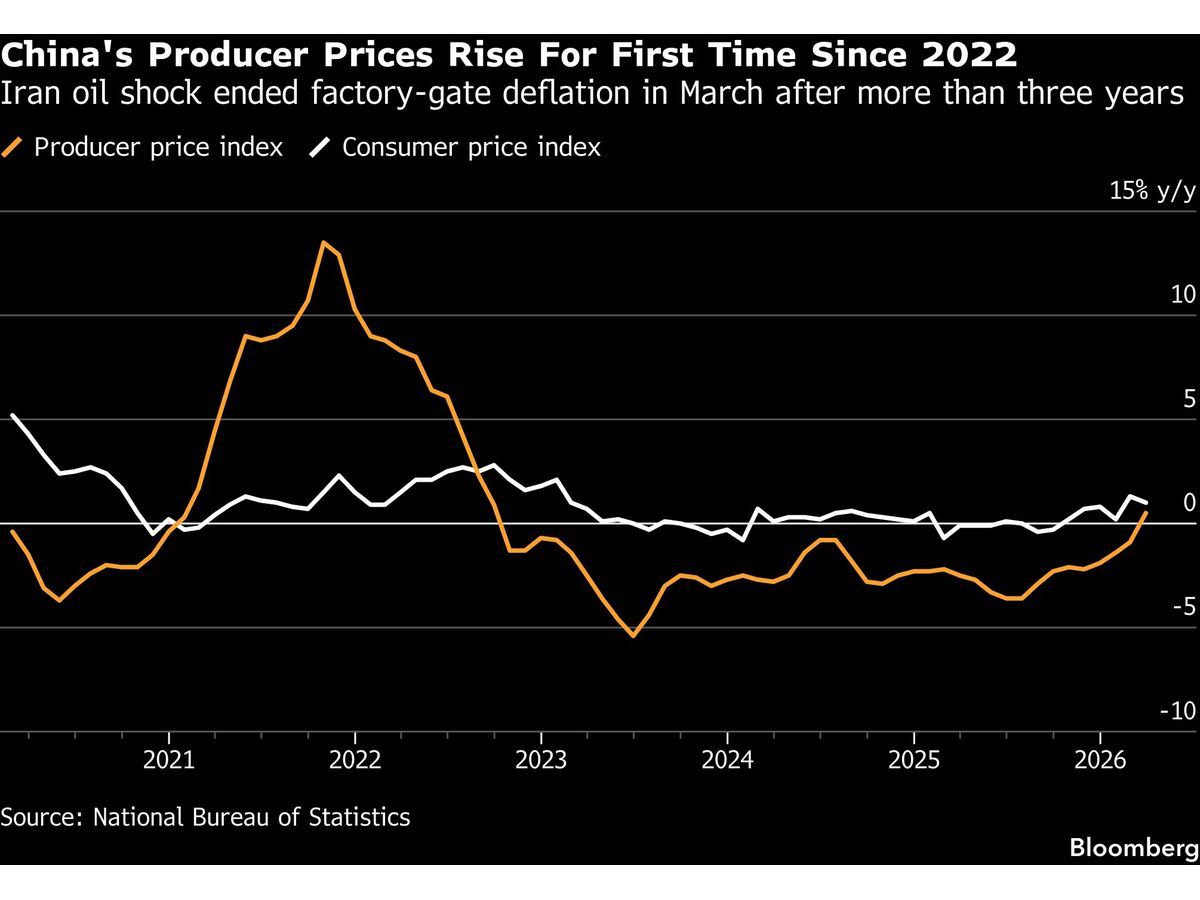
China has officially ended a prolonged period of factory deflation that lasted over three years, attributed largely to a significant spike in oil prices. This shift marks a pivotal moment for the nation's manufacturing sector and economic recovery efforts.
China Concludes Three-Year Factory Deflation Amidst Oil Price Surge
In a significant economic turnaround, China has officially ended over three years of factory deflation, a phenomenon that has plagued its manufacturing sector since 2020. The recent surge in oil prices has been identified as a key driver behind this shift, signaling a potential recovery for the world's second-largest economy.
According to data released by the National Bureau of Statistics (NBS), the Producer Price Index (PPI) saw a year-on-year increase of 0.3% in September 2023, marking the first positive growth since the onset of the COVID-19 pandemic. This development is particularly noteworthy as it contrasts sharply with the deflationary pressures that have been evident in the manufacturing sector for the past several years.
The end of factory deflation is a welcome sign for Chinese manufacturers who have faced declining prices and shrinking profit margins. Analysts suggest that the recent rise in oil prices, which have surged due to geopolitical tensions and supply chain disruptions, has contributed significantly to the increased production costs for factories across the nation.
As oil prices climbed to their highest levels in over a decade, manufacturers have been compelled to pass on these costs to consumers, which has led to a gradual increase in factory gate prices. The NBS attributes this PPI increase not only to rising oil prices but also to a rebound in demand as the global economy continues to recover from the pandemic.
This shift in the PPI is expected to have ripple effects throughout the Chinese economy. Economists predict that the end of deflation could boost consumer confidence, encouraging spending and investment in the manufacturing sector. Furthermore, it may provide the Chinese government with more leeway to implement policies aimed at stimulating economic growth.
Despite this positive development, challenges remain for China's manufacturing sector. The global economic landscape is still fraught with uncertainties, including ongoing supply chain issues, fluctuating demand, and the potential for further geopolitical tensions that could affect oil prices. Additionally, the Chinese government is grappling with the need to balance economic growth with environmental sustainability, a task that becomes increasingly complex as energy prices rise.
In response to these challenges, analysts suggest that Chinese manufacturers may need to adopt more innovative practices to remain competitive. This could involve investing in new technologies, enhancing productivity, and diversifying supply chains to mitigate risks associated with external shocks.
Moreover, the Chinese government is expected to continue its efforts to stabilize the economy through targeted fiscal and monetary policies. Recent measures have included interest rate cuts and increased infrastructure spending, aimed at bolstering domestic demand and supporting the manufacturing sector.
As China navigates this transitional phase, the end of factory deflation could serve as a catalyst for broader economic reforms. Policymakers are likely to focus on fostering a more resilient manufacturing sector that can withstand external pressures while contributing to sustainable growth.
In conclusion, the end of over three years of factory deflation in China marks a crucial turning point for the nation’s economy. While the recent rise in oil prices has played a significant role in this development, the path forward will require careful management of both economic and environmental challenges. The coming months will be critical as China seeks to harness this momentum to drive recovery and growth in its manufacturing sector.