China Conducts Military Drills Simulating Taiwan Blockade Amid Rising Tensions with the U.S.
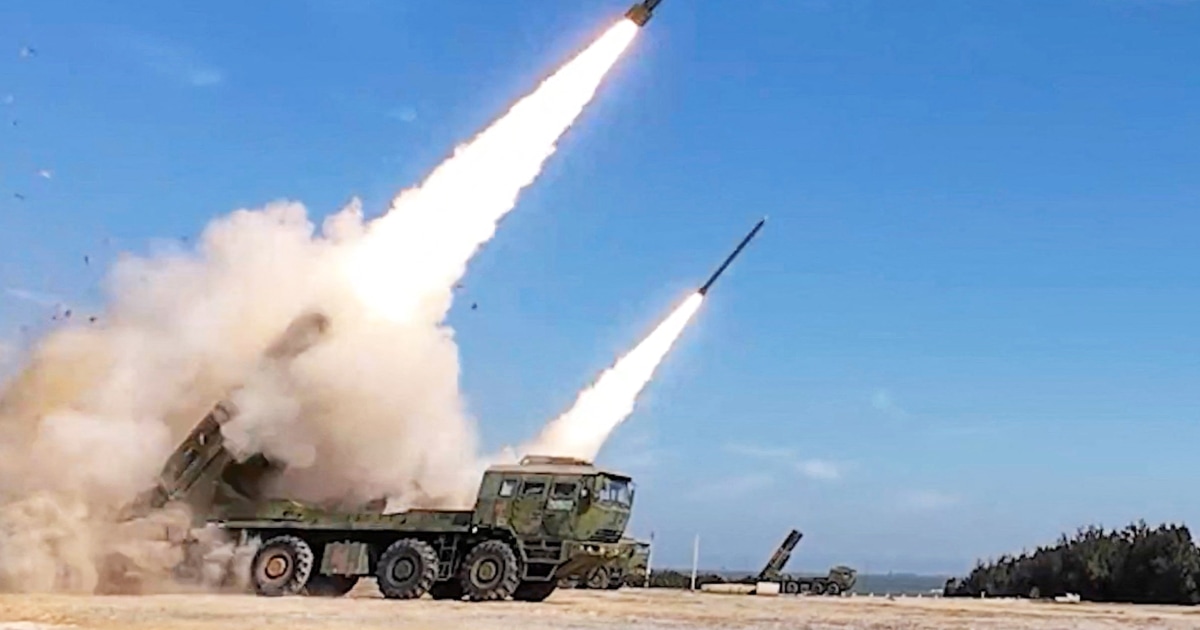
China has issued a stark warning to the United States by conducting military drills that simulate a blockade of Taiwan. Former President Donald Trump has downplayed the situation, stating he is 'not worried' about the escalating tensions.
China's Military Exercises Raise Concerns
In a significant show of military might, China has conducted a series of military drills that simulate a blockade of Taiwan, sending a clear warning to the United States regarding its support for the island nation. These exercises come amid heightened tensions in the Taiwan Strait, a region that has become increasingly volatile due to China's assertive stance on its territorial claims.
Context of the Drills
The military exercises, which took place over several days, involved naval and aerial maneuvers designed to demonstrate China's capability to encircle Taiwan effectively. This strategic display is seen as a direct response to the U.S. military's ongoing presence in the region and its commitment to defending Taiwan against potential aggression from Beijing. Analysts suggest that these drills are intended to signal to both Taiwan and the U.S. that China is prepared to take decisive action should it perceive a threat to its sovereignty.
U.S. Response and Political Implications
The U.S. government has expressed deep concern over China's military activities, reiterating its commitment to Taiwan's defense. In a recent statement, a spokesperson for the Pentagon emphasized the importance of maintaining peace and stability in the Taiwan Strait, while also affirming that the U.S. would continue to support Taiwan through arms sales and military training. The situation has sparked debates in Washington about the U.S. strategy in the Indo-Pacific region and how best to counter China's growing influence.
Trump's Reaction
In a surprising turn of events, former President Donald Trump weighed in on the situation, stating that he is 'not worried' about the escalating tensions between China and the U.S. Trump's comments came during a recent interview, where he expressed confidence in America's military capabilities and suggested that the current administration needs to adopt a more robust approach to dealing with China. His remarks have drawn mixed reactions from political analysts, with some arguing that his nonchalant attitude towards the situation could undermine U.S. credibility in the region.
International Reactions
The international community is closely monitoring the developments in the Taiwan Strait, with several countries expressing support for Taiwan's right to self-defense. Japan, in particular, has voiced its concerns over China's military activities, emphasizing the need for a united front among democracies in the region. Meanwhile, European nations have also begun to take a more active interest in the Indo-Pacific, with discussions about enhancing security cooperation with the U.S. and its allies.
The Broader Implications
The military drills conducted by China not only heighten tensions in the Taiwan Strait but also raise questions about the future of U.S.-China relations. As both nations navigate this increasingly complex geopolitical landscape, the potential for miscalculation or escalation remains a significant concern. Experts warn that the situation could lead to a broader conflict if diplomatic efforts fail to de-escalate tensions.
Conclusion
As the world watches closely, the situation in the Taiwan Strait serves as a reminder of the fragile balance of power in the region. With military drills simulating a blockade of Taiwan and mixed reactions from U.S. political figures, the coming weeks and months will be crucial in determining the trajectory of U.S.-China relations and the future of Taiwan's autonomy.