China Considers Stricter Regulations for Companies Seeking to List in Hong Kong
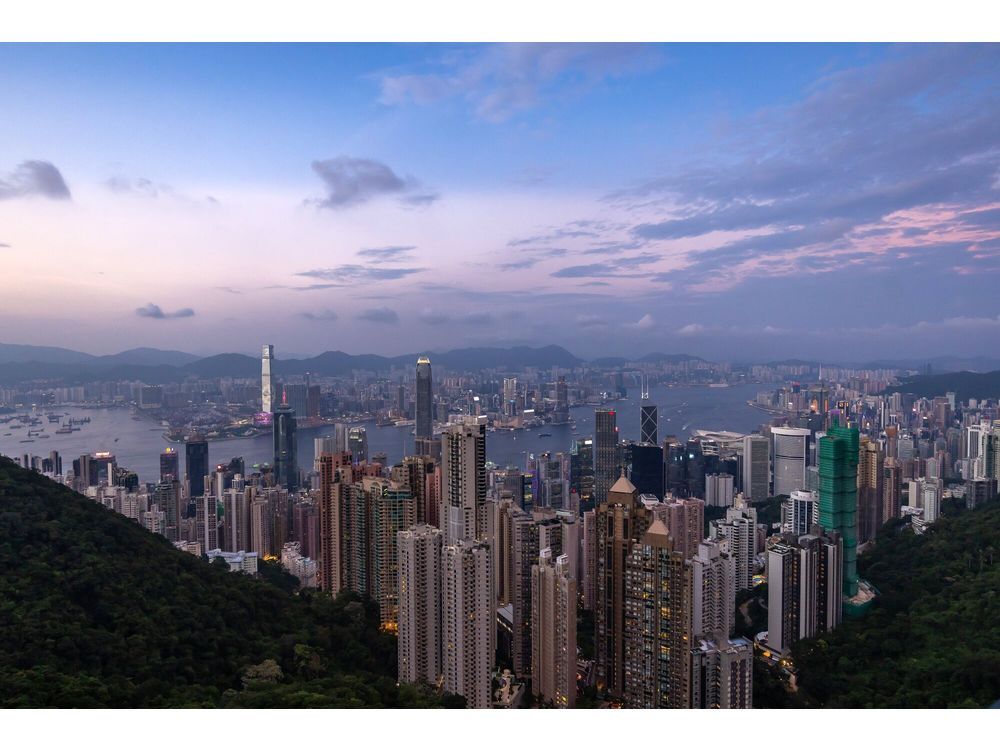
China is contemplating tighter regulations for firms wishing to sell shares in Hong Kong, a move that could significantly impact the financial landscape. This potential shift comes amid ongoing efforts to enhance oversight and control over domestic companies operating in international markets.
Introduction
In a significant development for the financial landscape of Hong Kong, Chinese authorities are reportedly weighing tighter regulations for firms seeking to list their shares in the city. This potential policy shift comes as part of a broader initiative to strengthen oversight and control over domestic companies that operate in international markets.
Background
Hong Kong has long been a favored destination for Chinese companies looking to raise capital through public offerings. The city’s financial ecosystem offers a unique blend of Western and Eastern business practices, making it an attractive hub for international investors. However, recent regulatory changes in Mainland China have raised concerns about the future of this relationship.
Current Regulatory Landscape
Currently, companies seeking to list in Hong Kong must adhere to the regulations set forth by the Hong Kong Stock Exchange (HKEX) and the Securities and Futures Commission (SFC). These regulations ensure transparency and protect investor interests. However, the Chinese government has been increasingly focused on tightening control over its corporate sector, particularly in light of recent controversies surrounding data privacy and national security.
Potential Changes on the Horizon
According to sources familiar with the matter, the Chinese government is considering implementing stricter guidelines that would require companies to obtain additional approvals before proceeding with listings in Hong Kong. This could involve a more rigorous vetting process, aimed at ensuring that firms comply with national laws and regulations.
Impact on Companies and Investors
If these proposed regulations come into effect, they could significantly alter the landscape for companies looking to raise capital in Hong Kong. Firms may face delays in their listing processes, as they navigate the additional layers of scrutiny from both Chinese authorities and Hong Kong regulators. This could deter some companies from pursuing public offerings altogether, leading to a potential decline in the number of listings in the city.
Reactions from the Business Community
The business community is closely monitoring these developments, with many expressing concern over the potential implications for foreign investment. Analysts warn that increased regulatory hurdles could make Hong Kong a less attractive destination for companies looking to go public, ultimately affecting the city’s status as a global financial hub.
Government's Perspective
From the perspective of the Chinese government, these measures are seen as necessary to safeguard national interests and maintain control over the corporate sector. Officials have emphasized the importance of aligning corporate practices with national policies, particularly in areas related to technology and data security.
Conclusion
As discussions around these potential regulatory changes continue, the future of Hong Kong's capital markets hangs in the balance. Stakeholders from both the Mainland and Hong Kong will need to navigate this evolving landscape carefully, balancing the need for oversight with the desire to maintain the city’s attractiveness as a financial center. The coming months will be critical in determining how these changes will unfold and what they will mean for the future of corporate listings in Hong Kong.