China Considers Stricter Regulations for Companies Listing Shares in Hong Kong
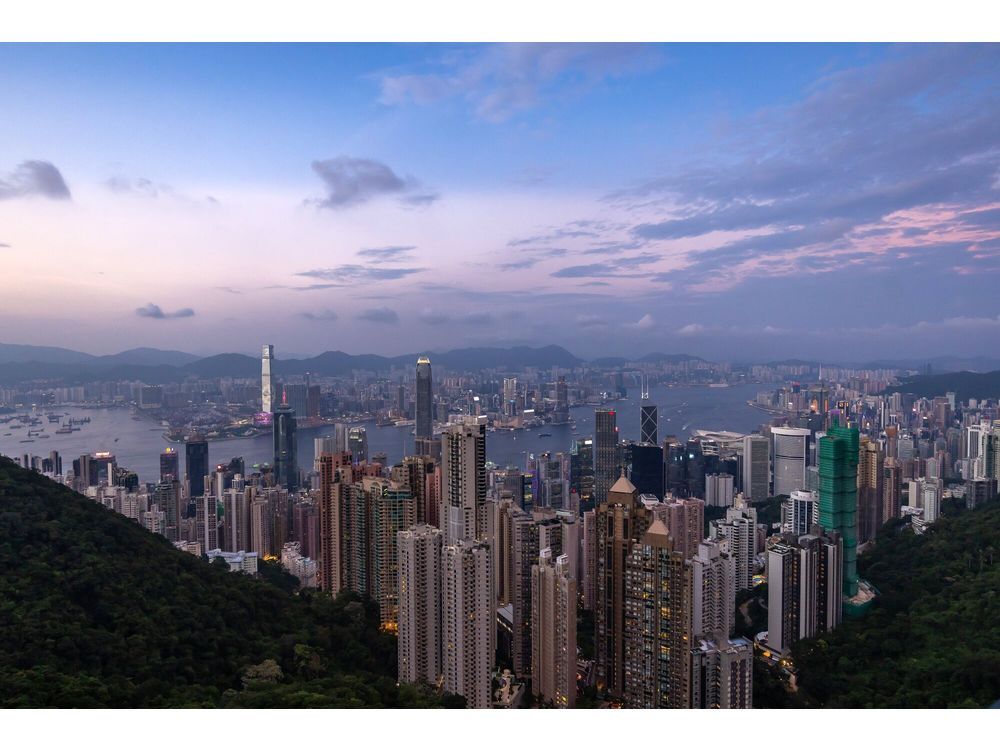
China is contemplating the implementation of tighter regulations for firms looking to sell shares in Hong Kong. This move could significantly impact the financial landscape of the region and the relationship between Chinese firms and international investors.
Introduction
In a significant development for the financial markets, Chinese regulators are reportedly considering stricter rules for companies seeking to list their shares in Hong Kong. This potential shift comes amid ongoing efforts to tighten control over the country's financial system and ensure that firms comply with national security and regulatory standards.
The Context of the Proposed Regulations
Hong Kong has long been a favored destination for Chinese companies looking to raise capital through public listings. The city offers a unique blend of international financial practices and proximity to mainland China, making it an attractive option for firms aiming to access global investors. However, recent geopolitical tensions and concerns over national security have prompted the Chinese government to reassess its approach to overseas listings.
Potential Implications for Companies
The proposed regulations could impose additional scrutiny on companies planning to go public in Hong Kong. This may include more rigorous vetting processes, increased transparency requirements, and enhanced compliance measures to ensure that firms adhere to mainland China's laws and regulations. As a result, companies may face longer timelines and higher costs associated with their initial public offerings (IPOs).
Impact on Hong Kong's Financial Market
If implemented, these stricter rules could have profound implications for Hong Kong's status as a global financial hub. The city has been a critical platform for Chinese firms to access foreign capital, and any changes to the regulatory framework could deter potential listings. Analysts suggest that this could lead to a decline in the number of IPOs, affecting not only the companies involved but also the broader economy and employment in the financial sector.
Reactions from the Business Community
The business community has expressed mixed reactions to the potential regulatory changes. While some industry leaders recognize the need for enhanced oversight to protect investors and maintain market integrity, others fear that excessive regulation could stifle innovation and deter foreign investment. The uncertainty surrounding these proposed rules has led to increased caution among companies considering a public listing in Hong Kong.
Geopolitical Considerations
The proposed regulations also reflect the broader geopolitical landscape, where tensions between China and Western nations have escalated. The Chinese government has been increasingly focused on safeguarding national security and limiting foreign influence in its economy. As a result, the regulatory environment for companies looking to list in Hong Kong may become more aligned with these national priorities, potentially complicating the relationship between Chinese firms and international investors.
Conclusion
As China weighs tighter rules for companies seeking to sell shares in Hong Kong, the implications for the financial markets and the broader economy remain uncertain. Stakeholders are closely monitoring the situation, as any changes to the regulatory framework could reshape the landscape for IPOs and influence the future of Hong Kong as a leading financial center. The coming months will be crucial in determining how these potential regulations will be implemented and their impact on both domestic and international markets.