China Considers Stricter Regulations for Share Sales in Hong Kong
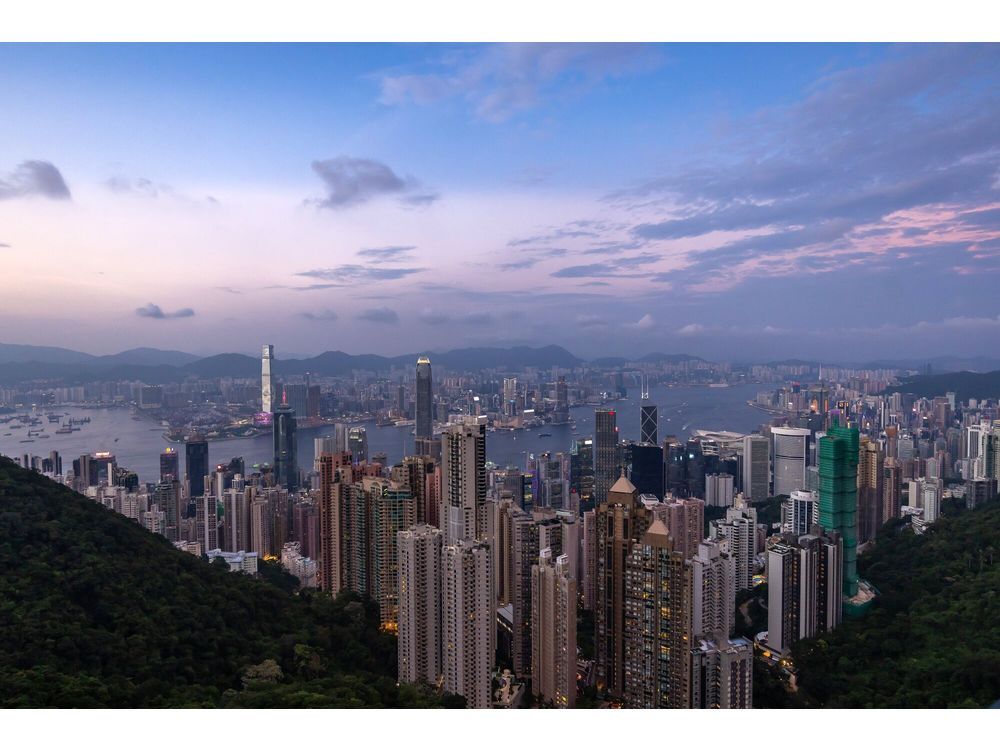
In a move that could significantly impact the financial landscape, China is contemplating tighter regulations for companies looking to sell shares in Hong Kong. This potential shift aims to bolster oversight and enhance market stability amid ongoing economic challenges.
Introduction
In a significant development for the financial markets, Chinese authorities are reportedly weighing tighter regulations for firms seeking to list their shares in Hong Kong. This comes at a time when the city, known as a global financial hub, is grappling with various economic challenges, including a sluggish recovery from the pandemic and increasing scrutiny over corporate governance.
The Rationale Behind Stricter Regulations
The proposed measures are part of a broader effort by the Chinese government to enhance oversight of its corporate sector, particularly in light of recent scandals and market volatility. By implementing stricter rules, the authorities aim to ensure that companies adhere to higher standards of transparency and accountability, thereby protecting investors and maintaining market integrity.
Potential Impacts on Hong Kong's Financial Market
If enacted, these regulations could have profound implications for Hong Kong's financial landscape. The city has long been a preferred destination for Chinese firms looking to raise capital through public offerings. However, tighter rules could deter some companies from pursuing listings, potentially leading to a decline in initial public offerings (IPOs) and a slowdown in market activity.
Investor Sentiment and Market Reactions
Investor sentiment has already been affected by the uncertainty surrounding these potential regulations. Market analysts suggest that if the rules are perceived as overly restrictive, it could lead to diminished confidence among investors, further exacerbating the challenges faced by the Hong Kong stock market. The Hang Seng Index has shown signs of volatility in recent months, reflecting broader concerns about economic stability and regulatory changes.
Comparative Analysis with Global Markets
Hong Kong's unique position as a bridge between Mainland China and international markets has historically attracted a diverse range of investors. However, as other global financial centers, such as New York and London, continue to evolve their regulatory frameworks, Hong Kong must navigate the fine line between maintaining its competitive edge and ensuring robust oversight. Stricter regulations could align Hong Kong more closely with global standards, but they may also risk alienating potential listings.
Government's Perspective
The Chinese government has emphasized the need for a stable financial environment, particularly as it seeks to bolster economic recovery post-pandemic. Officials argue that enhanced regulations are necessary to prevent financial fraud and protect investors, particularly retail investors who may lack the resources to conduct thorough due diligence. This perspective underscores the government's commitment to fostering a more resilient financial system.
Industry Reactions
Industry stakeholders have expressed mixed feelings about the potential changes. While some welcome the move towards greater transparency, others caution that excessive regulation could stifle innovation and deter foreign investment. The Hong Kong Stock Exchange has been actively engaging with market participants to gauge their views and concerns, emphasizing the importance of balancing regulation with market dynamism.
Conclusion
As discussions surrounding tighter regulations for share sales in Hong Kong continue, the implications for the financial market remain uncertain. Stakeholders are closely monitoring developments, as the outcome could shape the future of corporate listings in the city. Ultimately, the challenge lies in finding a regulatory framework that promotes investor protection while fostering an environment conducive to growth and innovation.