China Emerges as Big Winner from Supreme Court's Tariff Ruling
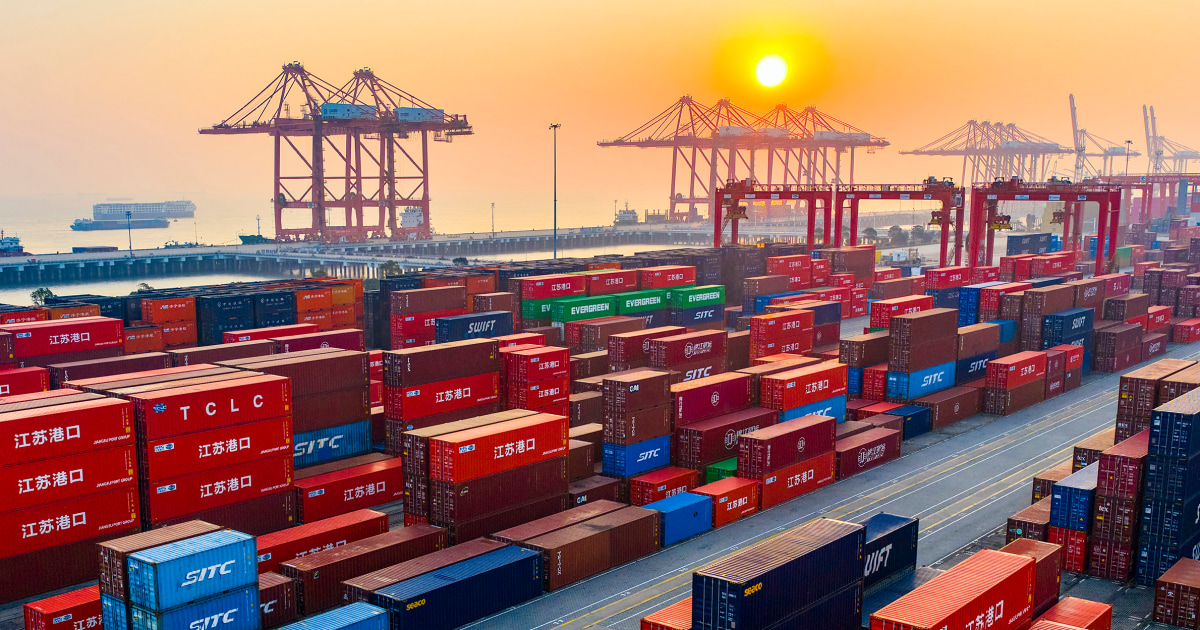
In a significant ruling, the U.S. Supreme Court has favored China in a tariff dispute, marking a pivotal moment for international trade relations. This decision is expected to reshape the economic landscape and influence future trade negotiations.
China Emerges Victorious in U.S. Supreme Court Tariff Ruling
In a landmark decision, the U.S. Supreme Court has ruled in favor of China regarding a contentious tariff dispute, signaling a major shift in the dynamics of international trade. This ruling not only benefits Chinese manufacturers but also raises questions about the future of U.S.-China trade relations, which have been under significant strain in recent years.
The Case Background
The case revolved around tariffs imposed by the U.S. government on a range of Chinese goods, which were introduced during the trade war initiated by the Trump administration. The tariffs were intended to protect American industries by making Chinese imports more expensive. However, the Supreme Court's ruling has deemed these tariffs as unconstitutional, arguing that they were not justified under the legal framework governing international trade.
Implications for China
With this ruling, China stands to gain significantly as it can now export goods to the U.S. without the burden of additional tariffs. This could lead to an influx of Chinese products in the American market, potentially boosting China's economy and enhancing its global trade position. Analysts predict that this decision may lead to a surge in Chinese exports, particularly in technology and consumer goods, which have been heavily affected by the previous tariffs.
Impact on U.S. Economy
While the ruling is seen as a victory for China, it raises concerns for American businesses that have been relying on the tariffs to protect their markets. The removal of these tariffs may lead to increased competition for U.S. manufacturers, who could struggle to keep up with the lower prices of Chinese imports. This could particularly impact industries such as steel and aluminum, where tariffs were initially aimed at protecting domestic production.
Political Reactions
The ruling has elicited a mixed response from U.S. lawmakers and business leaders. Some view it as a necessary step towards normalizing trade relations with China, while others fear it could undermine American industries. Political analysts suggest that this decision may lead to renewed discussions in Congress about trade policy and the need for a more balanced approach to international trade.
Future Trade Relations
This ruling could pave the way for a new era of trade negotiations between the U.S. and China. Experts believe that both nations may need to engage in dialogue to establish a framework that addresses the concerns of American businesses while also accommodating China's growing economic influence. The ruling may serve as a catalyst for broader discussions on trade agreements, tariffs, and international economic cooperation.
Conclusion
As the dust settles from this significant Supreme Court ruling, the implications for both China and the U.S. will continue to unfold. With China emerging as a clear winner, the focus will now shift to how the U.S. will respond and what this means for the future of global trade. Stakeholders from both countries will be closely monitoring developments as they work to navigate the complexities of international commerce in a rapidly changing economic landscape.