China Establishes New County in Xinjiang Near Pakistan and Afghanistan Borders
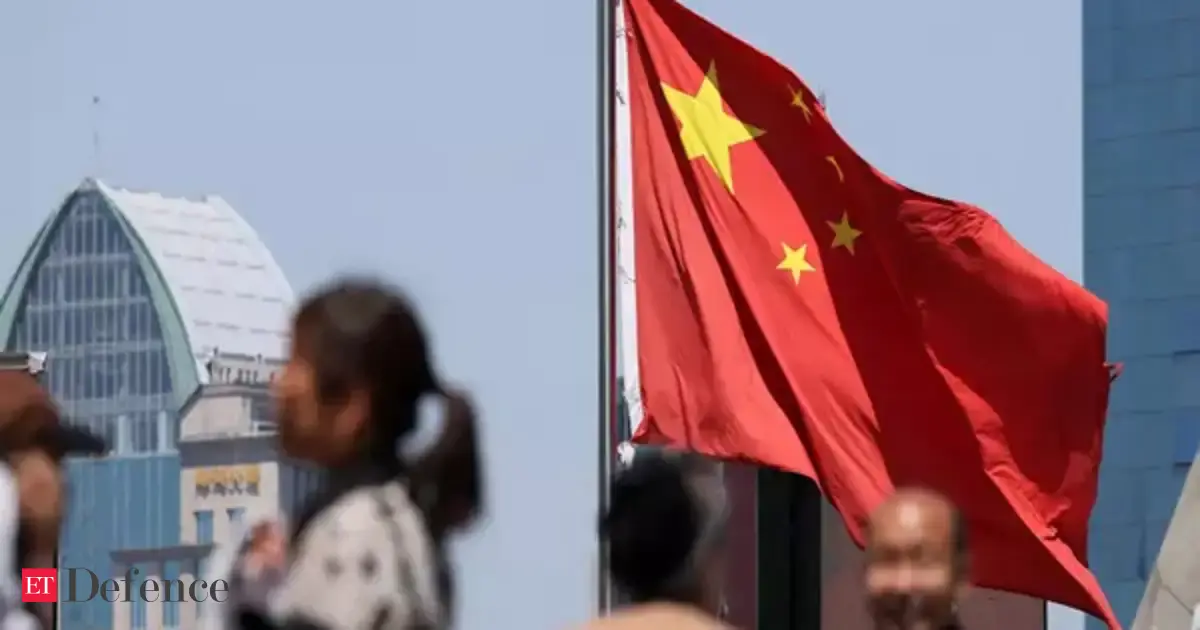
China has announced the establishment of a new county in Xinjiang, strategically located near the borders with Pakistan and Afghanistan. This move is seen as part of China's broader efforts to strengthen its influence in the region amidst ongoing geopolitical tensions.
Introduction
In a significant administrative shift, the Chinese government has officially established a new county in the Xinjiang region, close to the borders with Pakistan and Afghanistan. This development comes at a time when China is intensifying its focus on enhancing its geopolitical presence in Central Asia, particularly in light of shifting dynamics following the U.S. withdrawal from Afghanistan.
Details of the New County
According to reports from The Times of India, the new county, named after a local geographical feature, aims to bolster local governance and facilitate economic development in an area that has historically been underdeveloped. The establishment of this county is part of a larger initiative by the Chinese government to promote stability and security in Xinjiang, a region that has been the focus of international scrutiny due to human rights concerns.
Geopolitical Implications
The location of the new county is particularly noteworthy, as it lies in proximity to the contentious borders of Pakistan and Afghanistan. This strategic positioning is likely intended to enhance China's influence in the region, especially in the context of its Belt and Road Initiative (BRI), which seeks to enhance connectivity and economic integration across Asia.
Experts suggest that the establishment of this new administrative unit could serve multiple purposes. Firstly, it may help in countering any potential threats from extremist groups that have been known to operate in the border regions. Secondly, it could facilitate better management of cross-border trade and movement, which is crucial for China's economic ambitions in Central Asia.
Local Reactions
The local population's reaction to the establishment of the new county has been mixed. While some residents express optimism about the potential for improved infrastructure and economic opportunities, others remain skeptical about the government's intentions, particularly in light of the heavy-handed policies that have been implemented in Xinjiang in recent years.
Human rights organizations have raised concerns about the implications of increased government presence in the region, fearing that it could lead to further restrictions on freedoms and rights for the local Uyghur population. The international community continues to monitor the situation closely, with calls for transparency and accountability in the region.
China's Broader Strategy in Xinjiang
The establishment of the new county aligns with China's broader strategy to assert control over Xinjiang, a region that is rich in natural resources and has significant geopolitical importance. Over the past few years, the Chinese government has implemented a series of measures aimed at integrating the region more closely with the rest of the country, including investments in infrastructure, education, and economic development.
However, these efforts have been met with criticism from various quarters, particularly regarding the treatment of Uyghurs and other Muslim minorities. The international community has raised alarms over allegations of mass detentions, forced labor, and cultural erasure, leading to sanctions and diplomatic tensions between China and several Western nations.
Conclusion
The establishment of a new county in Xinjiang is a clear indication of China's intent to solidify its presence in a strategically vital region. As the geopolitical landscape continues to evolve, particularly in the wake of the U.S. exit from Afghanistan, the implications of this development will be closely watched by both regional players and the international community. The coming months will likely reveal more about the Chinese government's plans for Xinjiang and how they will impact local populations and international relations.