China Expands Digital Yuan Usage from Lottery Draws to Fiscal Spending
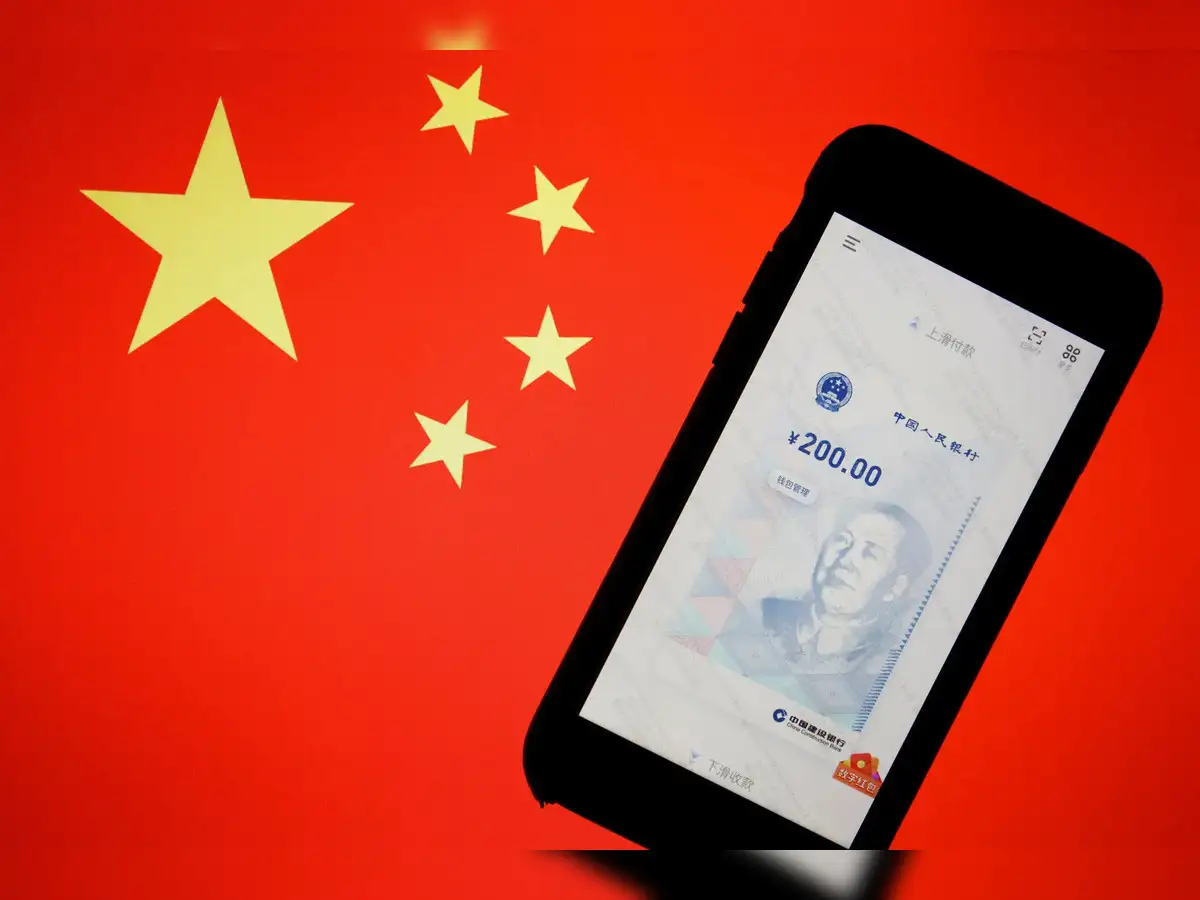
China is increasingly integrating the digital yuan into various sectors, including public spending and lottery draws. This move aims to enhance the currency's adoption and streamline financial transactions across the nation.
Introduction
In a significant step towards modernizing its financial landscape, China is expanding the use of its digital currency, the digital yuan, into various facets of daily life and government operations. From facilitating lottery draws to streamlining fiscal spending, the People's Bank of China (PBOC) is broadening the digital yuan's footprint in a bid to enhance its adoption and efficiency.
Lottery Draws: A New Digital Frontier
One of the most notable applications of the digital yuan has been in the realm of lottery draws. The Chinese government has begun to integrate digital currency transactions into its lottery systems, allowing citizens to purchase tickets using the digital yuan. This initiative not only promotes the currency but also aims to reduce fraud and increase transparency in lottery operations.
By enabling digital transactions, the government hopes to attract younger demographics who are more inclined towards digital payments. The move is also seen as a way to control and monitor gambling activities, aligning with the government's broader objectives of regulating financial behaviors.
Fiscal Spending: A Strategic Shift
Beyond the lottery, the digital yuan is being positioned as a tool for fiscal spending. Local governments across China are beginning to use the digital currency for various public expenditures, including social welfare programs and infrastructure projects. This shift is designed to enhance efficiency and accountability in government spending.
By utilizing the digital yuan, local authorities can streamline payment processes, reduce transaction costs, and improve the speed of fund disbursement. Moreover, it allows for better tracking of public funds, which is crucial in combating corruption and ensuring that resources are allocated effectively.
Enhancing Financial Inclusion
One of the primary goals of expanding the digital yuan's usage is to enhance financial inclusion across the country. With a significant portion of the population still unbanked or underbanked, the digital yuan offers a means for individuals to access financial services without the need for traditional banking infrastructure.
The government is actively promoting the use of digital wallets and mobile payment platforms, which can be linked to the digital yuan. This initiative is particularly beneficial for rural areas, where access to banks is limited. By fostering a digital economy, China aims to empower its citizens and stimulate economic growth.
Potential Challenges and Concerns
Despite the promising prospects, the expansion of the digital yuan is not without challenges. Concerns regarding privacy and government surveillance have been raised, as the digital currency allows for greater tracking of transactions. Critics argue that this could lead to an erosion of personal freedoms and an increase in state control over financial activities.
Moreover, the transition to a digital currency system requires robust technological infrastructure and cybersecurity measures to protect against potential threats. Ensuring the security of digital transactions will be paramount as the government seeks to build trust among users.
Conclusion
China's efforts to broaden the digital yuan's footprint reflect its ambition to lead in the global digital currency landscape. By integrating the digital yuan into various sectors, including lottery draws and fiscal spending, the government is not only promoting its currency but also aiming to create a more efficient and inclusive financial system. As the world watches, the success of these initiatives could set a precedent for other nations exploring similar paths in digital currency adoption.