China Imposes Restrictions on Overseas-Incorporated Firms Seeking Hong Kong IPOs
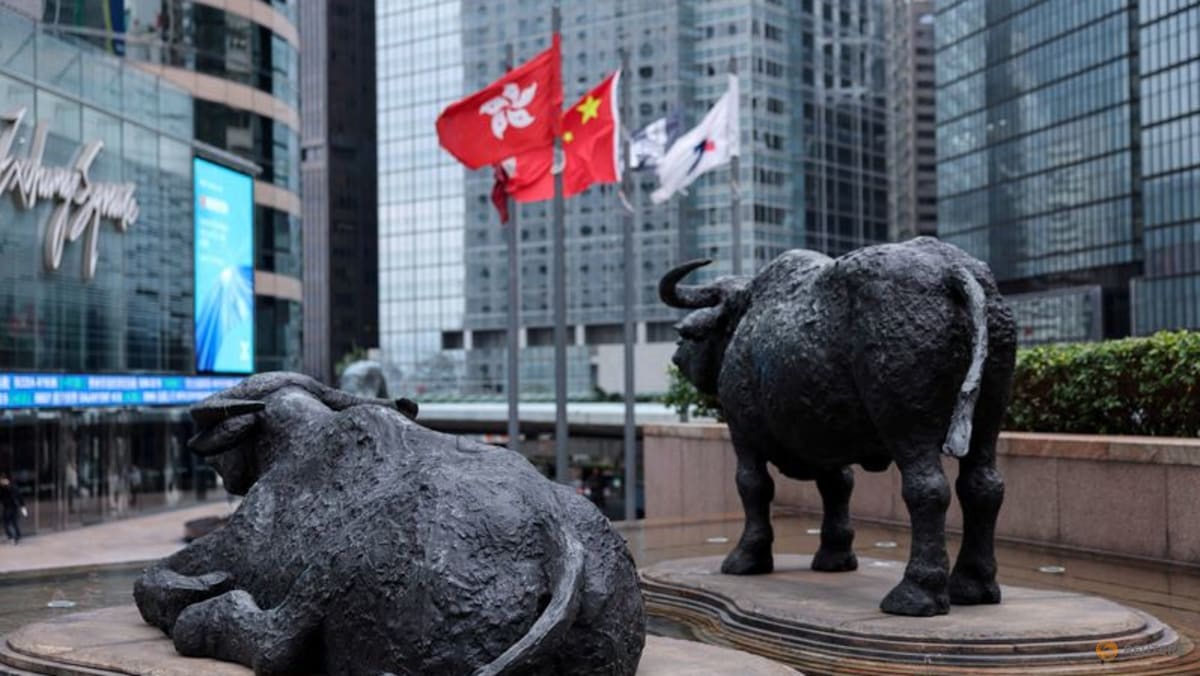
China has announced new restrictions that will limit the ability of some overseas-incorporated firms to list on the Hong Kong Stock Exchange. This move is expected to impact the IPO landscape in Hong Kong, raising concerns among investors and market analysts.
Introduction
In a significant shift that could reshape the landscape of initial public offerings (IPOs) in Hong Kong, China has implemented new restrictions on certain overseas-incorporated firms looking to list on the Hong Kong Stock Exchange. This decision comes amid ongoing regulatory scrutiny and evolving economic policies aimed at strengthening domestic markets.
Details of the New Restrictions
The new regulations, which were announced by the China Securities Regulatory Commission (CSRC), specifically target firms that are incorporated outside of China but have significant operations or assets within the mainland. According to the CSRC, these companies must now undergo a more rigorous vetting process before they can proceed with their IPO applications in Hong Kong.
Under the new rules, firms that are deemed to have a substantial impact on China's national security or are involved in sensitive industries will face increased scrutiny. This includes companies in sectors such as technology, telecommunications, and finance. The CSRC emphasized that the aim of these restrictions is to safeguard national interests while promoting a more robust regulatory framework.
Implications for the Hong Kong IPO Market
The implications of these restrictions are far-reaching. Hong Kong has long been a favored destination for companies seeking to raise capital through public offerings, particularly for those with ties to the mainland. The city’s status as a global financial hub has attracted numerous foreign firms and startups, making it a vital component of the international capital market.
However, with these new restrictions in place, analysts predict a potential slowdown in the number of IPOs from overseas firms. This could lead to increased competition among local companies for investor attention, as the pool of eligible firms shrinks. Market experts are already expressing concerns that the new regulations may deter foreign investment and diminish Hong Kong’s attractiveness as an IPO venue.
Reactions from Market Participants
Reactions to the new restrictions have been mixed. Some market participants have voiced concerns over the potential chilling effect on capital markets, arguing that the increased regulatory burden could stifle innovation and deter companies from pursuing IPOs altogether. Others, however, believe that the measures are necessary to ensure that the integrity of the financial system is maintained.
“While we understand the need for regulatory oversight, it is crucial that these measures do not hamper the growth of the IPO market in Hong Kong,” said a senior analyst at a leading investment firm. “Investors are looking for opportunities, and if the number of viable candidates for IPOs continues to dwindle, we may see a significant decline in market activity.”
Looking Ahead
As the new regulations take effect, the Hong Kong Stock Exchange will be closely monitoring the impact on IPO activity. Companies that are considering listing in Hong Kong will need to navigate this new regulatory landscape carefully, ensuring compliance with both local and mainland regulations.
In the coming months, it will be essential for market participants to adapt to these changes and reassess their strategies. The future of the Hong Kong IPO market may hinge on how well firms can align their operations with the evolving regulatory requirements set forth by the Chinese government.
Conclusion
China's decision to restrict certain overseas-incorporated firms from listing in Hong Kong marks a pivotal moment for the region's financial landscape. As the implications of these new regulations unfold, stakeholders will need to remain vigilant and responsive to the changing dynamics of the market.