China Imposes Sanctions on 20 US Companies Over Taiwan Arms Sale
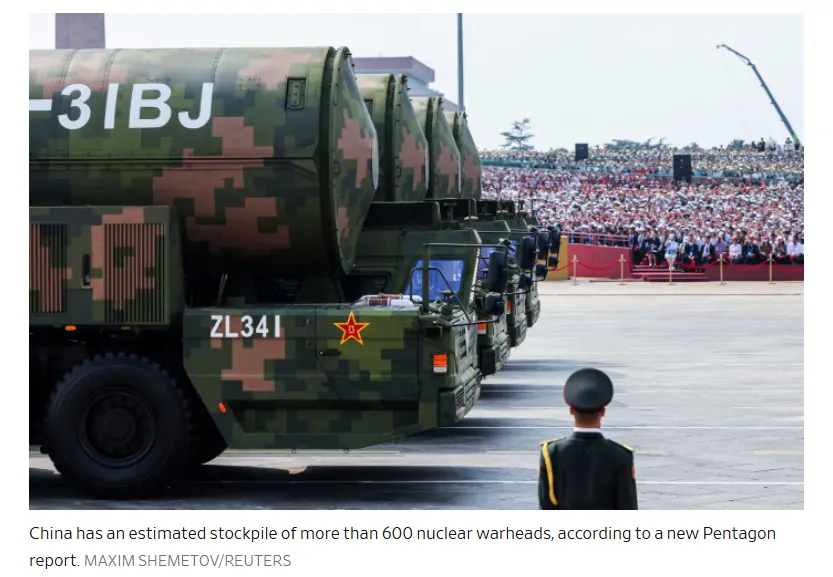
In a significant escalation of tensions, China has announced sanctions against 20 US companies involved in arms sales to Taiwan. This move underscores the ongoing geopolitical friction between the United States and China regarding Taiwan's defense and sovereignty.
China's Response to US Arms Sales to Taiwan
In a bold move reflecting the escalating tensions between China and the United States, the Chinese government has imposed sanctions on 20 American companies linked to arms sales to Taiwan. This decision comes in response to a recent deal in which the U.S. agreed to supply Taiwan with military equipment valued at approximately $1.1 billion, a move that Beijing views as a direct threat to its sovereignty and territorial integrity.
Details of the Sanctions
The sanctioned companies include major defense contractors and technology firms that have played a significant role in supplying military hardware and support to Taiwan. The list reportedly features prominent names such as Lockheed Martin, Raytheon, and Northrop Grumman, among others. The Chinese government has stated that these sanctions are necessary to safeguard its national security interests and to deter further U.S. interference in what it considers an internal matter.
Geopolitical Implications
This latest development is part of a broader pattern of increasing military and diplomatic tensions between the U.S. and China over Taiwan. The U.S. has maintained a policy of strategic ambiguity regarding Taiwan, supporting its defense capabilities without formally recognizing it as a separate nation. However, recent arms sales and military support initiatives have prompted a more aggressive stance from Beijing, which views any support for Taiwan as a challenge to its authority.
Reactions from the U.S. and Taiwan
In response to the sanctions, U.S. officials have reiterated their commitment to Taiwan's defense, emphasizing that the arms sales are intended to enhance Taiwan's self-defense capabilities in the face of increasing military pressure from China. The U.S. State Department has expressed concern over China's actions, labeling them as a form of coercion that undermines regional stability.
Taiwan's government has also reacted to the sanctions, stating that it remains undeterred in its pursuit of defensive capabilities. Taiwan's Foreign Ministry has expressed gratitude for U.S. support, asserting that the arms sales are crucial for maintaining peace and security in the Taiwan Strait.
The Broader Context of U.S.-China Relations
The sanctions come at a time when U.S.-China relations are already strained due to a variety of issues, including trade disputes, human rights concerns, and military posturing in the South China Sea. The Biden administration has sought to strengthen alliances in the Indo-Pacific region as a counterbalance to China's growing influence, which has further inflamed tensions.
Experts suggest that the sanctions could have significant implications for U.S. companies operating in China, as they may face increased scrutiny and potential repercussions from the Chinese government. The move could also lead to a tit-for-tat escalation, where the U.S. may consider further actions against Chinese firms involved in military or technological advancements that threaten U.S. interests.
Conclusion
As the situation continues to evolve, the international community is closely monitoring the developments surrounding U.S.-China relations and the implications for Taiwan. The sanctions imposed by China serve as a stark reminder of the complexities and challenges inherent in the geopolitical landscape of the Indo-Pacific region. With both sides standing firm in their positions, the potential for further escalation remains a pressing concern for global stability.