China Imposes Sanctions on Japanese Lawmaker Over Taiwan Ties
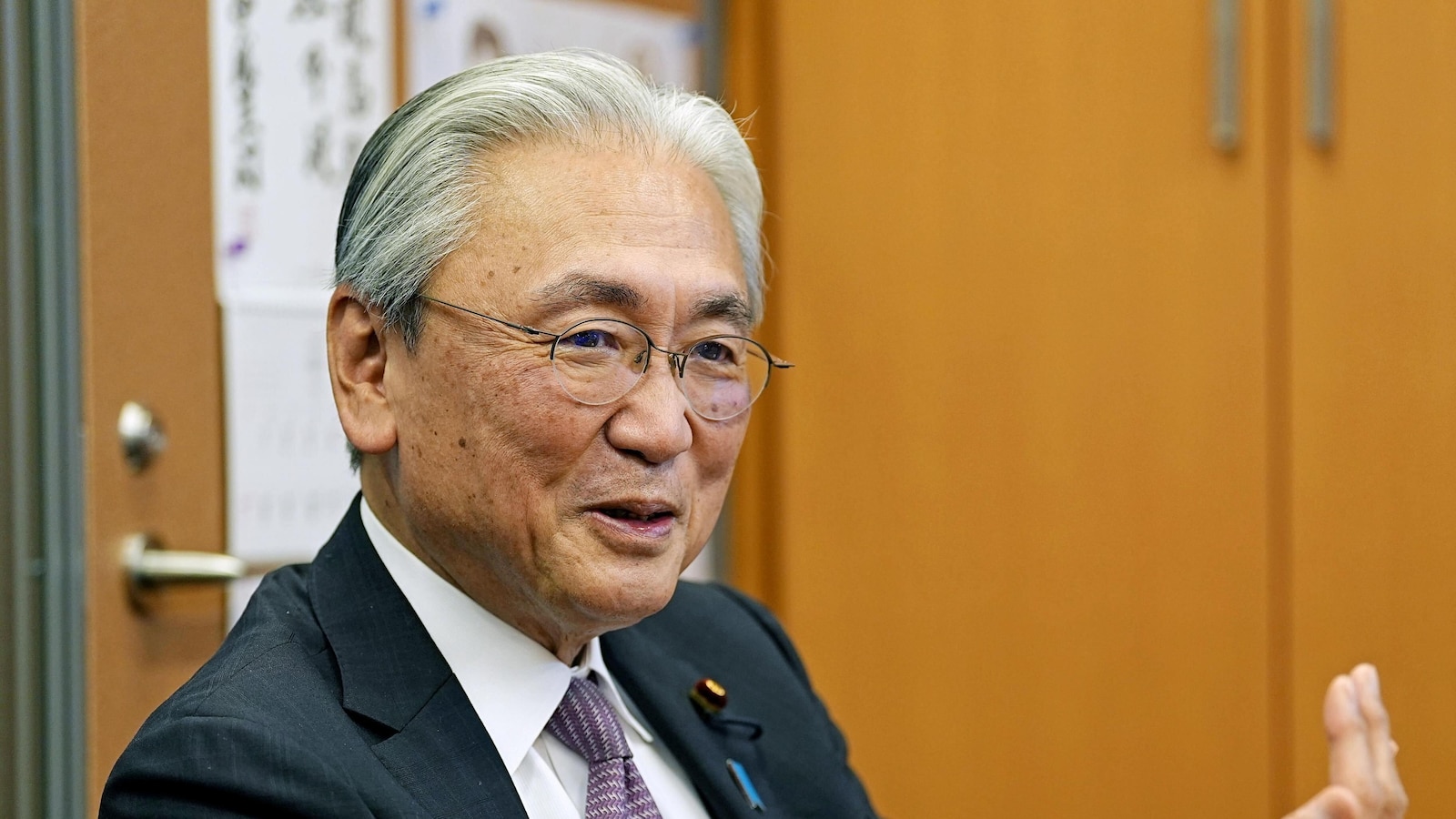
China has announced sanctions against a Japanese lawmaker closely associated with former Minister Sanae Takaichi due to his connections with Taiwan. This move is part of China's ongoing efforts to assert its sovereignty over Taiwan and discourage foreign support for the island.
China's Sanction Strategy Intensifies
In a significant geopolitical development, China has imposed sanctions on a Japanese lawmaker known for his strong ties to Taiwan. This action highlights the increasing tensions surrounding Taiwan's status and Beijing's determination to counter any foreign support for the island, which it considers a breakaway province.
Target of the Sanctions
The lawmaker in question is affiliated with former Japanese Minister Sanae Takaichi, a prominent figure in Japan's ruling Liberal Democratic Party (LDP). Takaichi has been an outspoken advocate for strengthening ties with Taiwan, a stance that has drawn the ire of Chinese authorities. The sanctions were officially announced by China's Foreign Ministry, which accused the lawmaker of undermining China's sovereignty and territorial integrity.
Context of the Sanctions
China's decision to sanction the Japanese lawmaker is part of a broader pattern of behavior aimed at discouraging foreign nations from engaging with Taiwan. Over the past few years, Beijing has ramped up its rhetoric and actions against countries and individuals that express support for Taiwan, particularly as tensions have escalated in the Taiwan Strait. The sanctions serve as a warning to other lawmakers and officials who may consider visiting or supporting Taiwan.
Reactions from Japan
The response from Japan has been measured, with officials emphasizing the importance of maintaining open communication with Taiwan. Japan's government has reiterated its commitment to a peaceful resolution of cross-strait issues while also acknowledging the need to protect its own national interests. However, the sanctions have sparked debate within Japan about the country's approach to China and Taiwan.
Implications for Taiwan
For Taiwan, the sanctions represent both a challenge and an opportunity. On one hand, they underscore the risks associated with international support; on the other, they may galvanize further solidarity among nations that share democratic values. Taiwan's government has expressed gratitude for Japan's ongoing support, viewing it as crucial in the face of increasing pressure from Beijing.
International Reactions
The international community has closely monitored the situation, with many countries expressing concern over China's aggressive stance towards Taiwan. Analysts suggest that such sanctions could lead to increased diplomatic efforts to support Taiwan from other nations, particularly in light of China's growing assertiveness in the region. The United States, which has a longstanding policy of supporting Taiwan, may also reassess its approach in light of these developments.
Conclusion
The imposition of sanctions on the Japanese lawmaker is a clear indication of China's unwillingness to tolerate any perceived threats to its sovereignty over Taiwan. As tensions continue to rise, the international community will need to navigate the complex dynamics of cross-strait relations while supporting Taiwan's democratic aspirations. The unfolding situation serves as a reminder of the delicate balance of power in East Asia and the potential for broader geopolitical ramifications.