China Imposes Travel Ban on Taiwanese Ministers Amid Rising Tensions
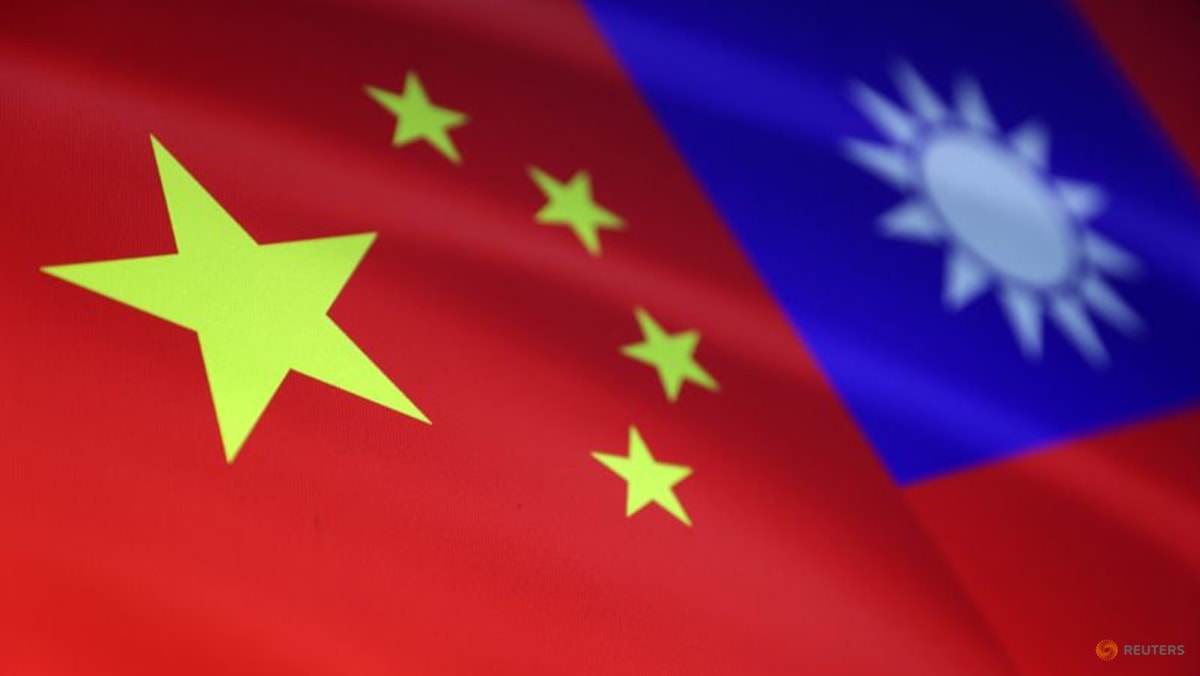
China has banned two Taiwanese ministers from entering the mainland, citing their involvement in activities promoting Taiwan's independence. The move has sparked outrage in Taipei and heightened tensions between the two sides.
China's Ban on Taiwanese Officials
In a significant escalation of tensions across the Taiwan Strait, China has imposed travel bans on two Taiwanese ministers, accusing them of engaging in activities that promote Taiwan's independence. This decision has drawn sharp condemnation from Taipei, which views the ban as an infringement on its sovereignty and an attempt to intimidate its officials.
Details of the Ban
The Chinese authorities specifically targeted Minister of Health and Welfare Chen Shih-chung and Minister of the Mainland Affairs Council Chiu Tai-san. The Chinese government claims that both officials have been involved in actions that undermine national unity and promote separatist sentiments. This ban reflects China's ongoing efforts to isolate Taiwan diplomatically and politically, as Beijing considers the island a breakaway province that must eventually be reunified with the mainland.
Reactions from Taiwan
The Taiwanese government responded swiftly to the travel bans, with officials denouncing the move as an act of aggression. Taiwan's Foreign Minister Joseph Wu stated that the bans are a clear indication of China's increasingly hostile stance toward the island. Wu emphasized that Taiwan will not be intimidated by such threats and will continue to assert its right to self-determination.
Historical Context
This latest incident is part of a broader pattern of escalating tensions between China and Taiwan. Since President Tsai Ing-wen took office in 2016, Beijing has ramped up its efforts to undermine Taiwan's international presence and has increased military pressure around the island. The Chinese government has frequently condemned any moves by Taiwanese officials that it perceives as steps toward formal independence.
International Implications
The travel bans have drawn attention not only within Taiwan but also from the international community. Many countries, including the United States, have expressed support for Taiwan's right to engage with the world and have criticized China's coercive tactics. The U.S. has reiterated its commitment to Taiwan's security and has called for peaceful resolution of cross-strait issues.
Future Prospects
As tensions continue to rise, analysts are concerned about the potential for miscalculations that could lead to military confrontations. The situation remains fluid, and the international community is closely monitoring developments. Taiwan's leadership is expected to continue advocating for its sovereignty while seeking to strengthen its alliances with other nations in the face of Chinese pressure.
Conclusion
The travel bans imposed by China on Taiwanese ministers serve as a stark reminder of the fragile state of cross-strait relations. As both sides navigate this complex landscape, the potential for conflict looms large, underscoring the need for dialogue and diplomacy to address the underlying issues that divide them.