China Protests US Alert on Hong Kong Security Rules, Urges No Interference
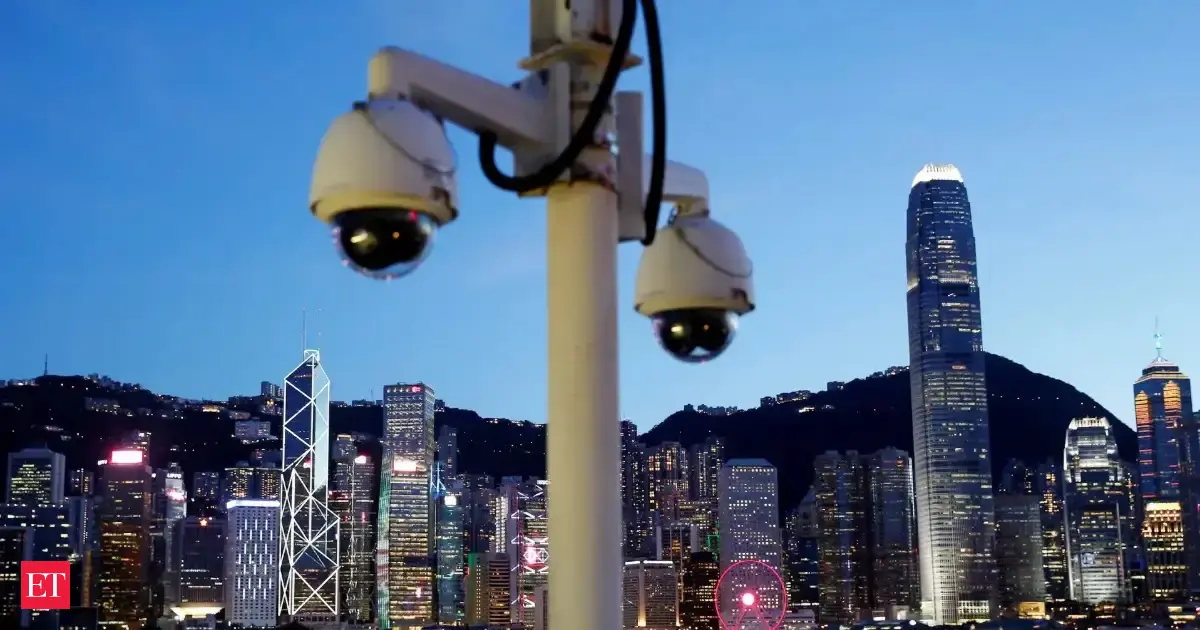
China has expressed strong discontent over the United States' recent warnings regarding Hong Kong's security regulations. The Chinese government emphasizes its stance on non-interference in its internal affairs and calls for respect from foreign nations.
Introduction
The ongoing tensions between China and the United States have escalated following the latter's recent alert concerning Hong Kong's security rules. In a robust response, the Chinese government has condemned the U.S. for what it describes as unwarranted interference in its internal matters, reaffirming its commitment to maintaining law and order in the Special Administrative Region (SAR).
Background of the Situation
Since the implementation of the National Security Law in Hong Kong in 2020, the region has witnessed significant changes in its political landscape. The law, aimed at curbing dissent and ensuring national security, has drawn widespread criticism from various international entities, including the U.S. government, which has labeled it as a tool for suppressing freedoms in Hong Kong.
U.S. Position on Hong Kong Security Rules
Recently, the United States issued a warning to its citizens regarding the risks associated with traveling to Hong Kong, citing the stringent security measures in place. This alert has further strained the already tense relations between Washington and Beijing, as it is perceived as an infringement on China's sovereignty.
China's Response
In response to the U.S. alert, Chinese officials have vehemently protested, asserting that the U.S. should cease its meddling in Hong Kong's affairs. A spokesperson for the Chinese Foreign Ministry stated, "The U.S. should respect China's sovereignty and stop using Hong Kong as a pawn in its geopolitical games." This statement underscores China's determination to defend its policies and governance in the region.
Implications for Hong Kong
The exchange of strong words between the two superpowers raises concerns about the future of Hong Kong, a city that has historically served as a bridge between East and West. Analysts warn that continued international scrutiny and criticism could lead to further isolation of Hong Kong on the global stage, impacting its economy and international relations.
International Reactions
The situation has garnered attention from various international organizations and human rights groups. Many have expressed concern over the implications of the National Security Law on civil liberties and freedoms in Hong Kong. The U.S. has been vocal in its support for pro-democracy movements in the region, while China continues to assert that its measures are necessary for stability and security.
Conclusion
As tensions between China and the U.S. continue to rise, the situation in Hong Kong remains precarious. The Chinese government’s firm stance against foreign interference highlights its resolve to maintain control over the SAR. Moving forward, the international community will be closely monitoring developments in Hong Kong, as the balance between security and freedom hangs in the balance.