China Releases New Policy Paper on National Security Following Jimmy Lai's Sentencing
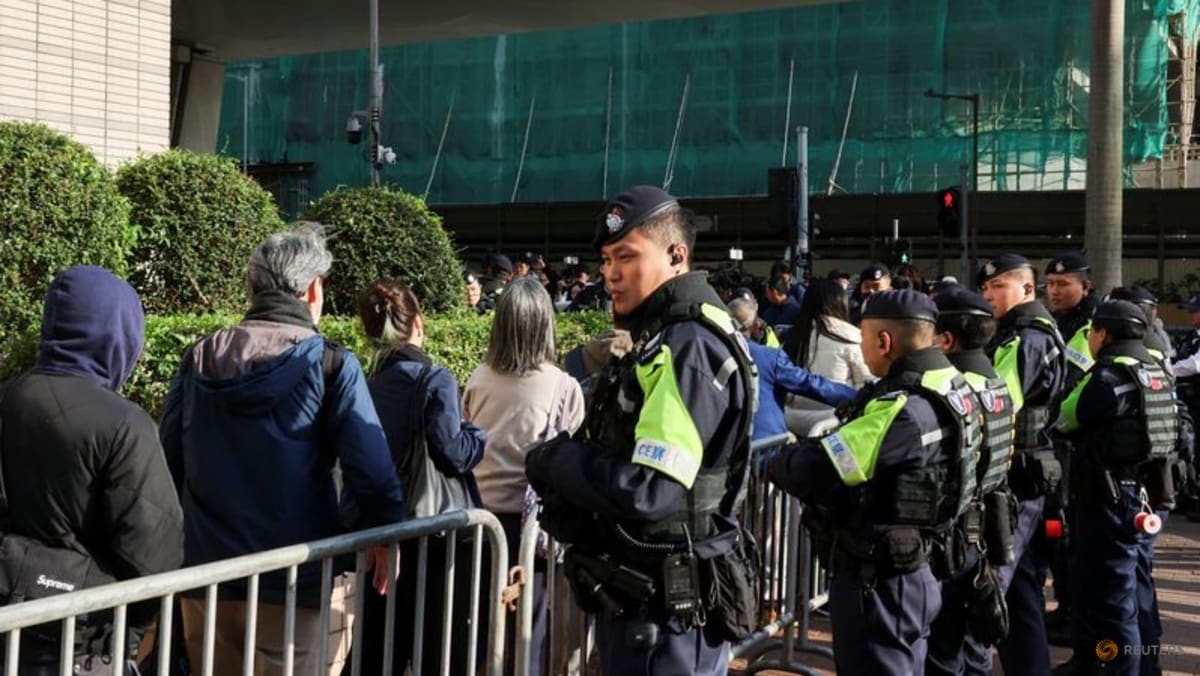
In the wake of prominent pro-democracy activist Jimmy Lai's sentencing, China has unveiled a comprehensive policy paper aimed at reinforcing national security in Hong Kong. The document outlines strategies to enhance stability and governance in the region amidst ongoing tensions.
Introduction
In a significant move that underscores its commitment to national security in Hong Kong, the Chinese government has released a new policy paper shortly after the sentencing of pro-democracy activist Jimmy Lai. The document, which elaborates on the strategies and measures to safeguard national security, reflects the ongoing tensions in the region and the government's determination to maintain control.
Context of the Policy Paper
The release of the policy paper comes in the wake of a controversial ruling against Lai, who has been a vocal critic of the Chinese government and a prominent figure in the pro-democracy movement. His sentencing has sparked international condemnation and raised concerns about the erosion of freedoms in Hong Kong. The Chinese government has framed the new policy as a necessary step to ensure stability and security in the region, particularly in light of the challenges posed by foreign interference and domestic unrest.
Key Highlights of the Policy Paper
The white paper outlines several key strategies aimed at reinforcing national security in Hong Kong. Among these is a commitment to strengthening law enforcement capabilities and enhancing the legal framework to address security threats. The government plans to invest in advanced technology and intelligence-sharing mechanisms to better identify and respond to potential risks.
Additionally, the document emphasizes the importance of public education on national security issues, aiming to foster a greater understanding among citizens regarding the laws and regulations that govern their rights and responsibilities. The paper also highlights the need for community engagement and collaboration with local organizations to promote a culture of security and resilience.
International Reactions
The release of the policy paper has drawn mixed reactions from the international community. Critics argue that the measures outlined in the document further erode the autonomy and freedoms guaranteed to Hong Kong under the “one country, two systems” framework. Human rights organizations have condemned the sentencing of Jimmy Lai and the broader crackdown on dissent, calling for greater accountability from the Chinese government.
On the other hand, Chinese officials have defended the policy as a legitimate response to the challenges faced by Hong Kong. They argue that the measures are essential for maintaining social order and protecting the interests of the region's residents. The Chinese government has consistently framed its actions in Hong Kong as necessary to combat terrorism and separatism, positioning itself as a protector of national integrity.
Implications for Hong Kong's Future
The implications of the new policy paper for Hong Kong's future are profound. As the government seeks to implement these measures, many residents are left grappling with the reality of an increasingly controlled environment. The emphasis on national security may lead to further restrictions on freedom of expression and assembly, raising concerns about the long-term impact on civil society.
Moreover, the international community's response to these developments will likely shape Hong Kong's global standing. As countries weigh their diplomatic and economic ties with China, the situation in Hong Kong remains a focal point of contention.
Conclusion
As China moves forward with its national security agenda in Hong Kong, the recent policy paper serves as a clear indication of the government's priorities. The ongoing developments will be closely monitored by both local and international observers, as the balance between security and freedom continues to be tested in this critical region.