China's Brain-Computer Interface Industry: A Leap Towards the Future
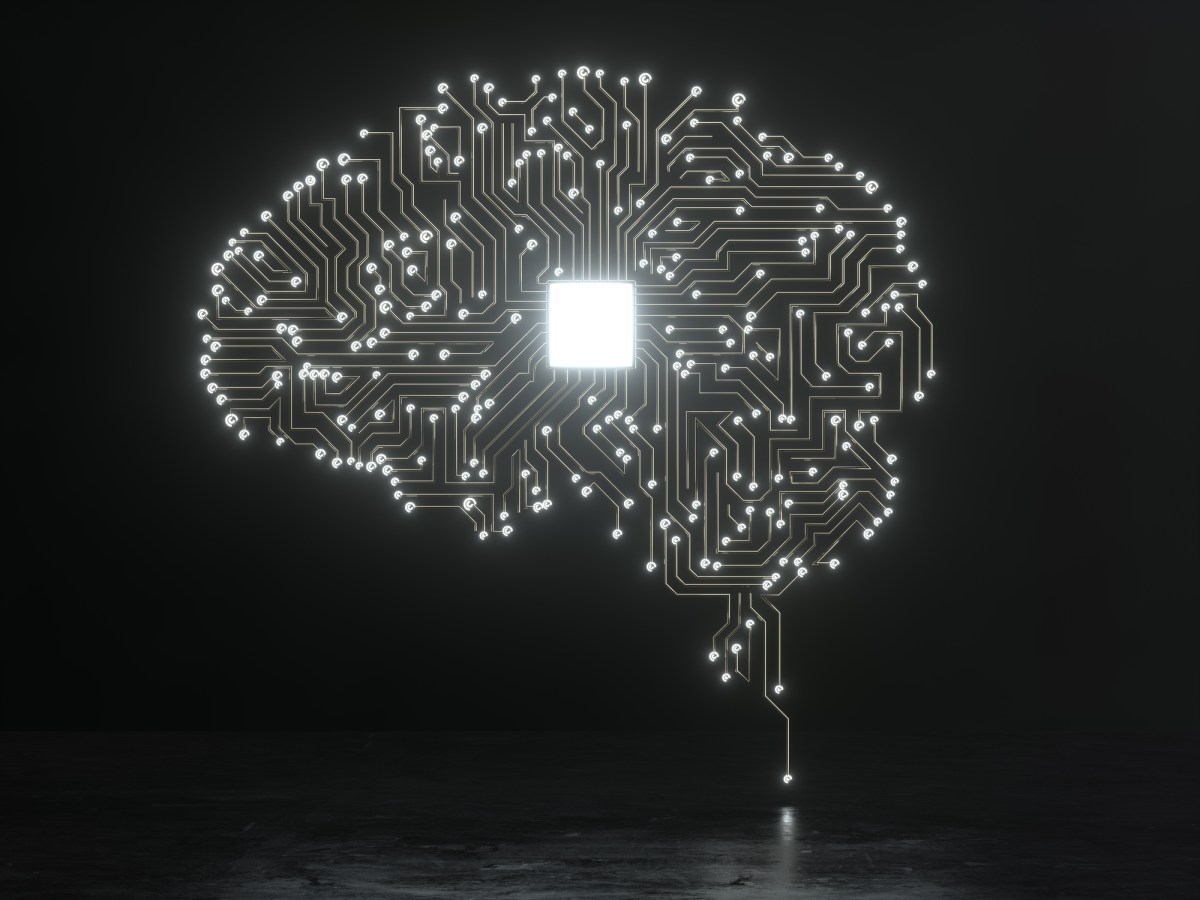
China's brain-computer interface (BCI) industry is rapidly advancing, positioning the country at the forefront of this transformative technology. With significant investments and groundbreaking research, China aims to revolutionize how humans interact with machines.
Introduction
In recent years, China's brain-computer interface (BCI) industry has emerged as a global leader, showcasing remarkable advancements that promise to revolutionize human-machine interactions. As technology continues to evolve, the implications of BCIs extend beyond mere convenience, potentially reshaping various sectors, including healthcare, gaming, and communication.
What is Brain-Computer Interface?
A brain-computer interface is a direct communication pathway between the brain and an external device. BCIs can translate neural activity into commands that control computers or other devices, enabling users to interact with technology using their thoughts. This technology has vast applications, particularly for individuals with disabilities, offering them new ways to communicate and control their environment.
China's Investment in BCI Technology
China has recognized the potential of BCI technology and is making substantial investments in research and development. The government has allocated significant funding to universities and research institutions, fostering an environment conducive to innovation. In 2021, the Chinese government announced a national strategy to enhance the country's capabilities in artificial intelligence and neurotechnology, which includes BCI development.
Leading Companies and Research Institutions
Several Chinese companies and research institutions are at the forefront of BCI technology. One notable player is BrainCo, a startup that has developed a BCI device aimed at improving focus and concentration. Their product, which resembles a headband, uses EEG sensors to monitor brain activity and provide feedback to the user.
Another key player is the Beijing-based company, Neuralink, which focuses on developing advanced neural interfaces. Their research aims to create devices that can seamlessly integrate with the human brain, allowing for more sophisticated interactions with technology.
Moreover, academic institutions like Tsinghua University and Peking University are conducting groundbreaking research in neurotechnology, exploring the underlying mechanisms of brain function and how they can be harnessed for BCI applications.
Applications and Implications
The applications of BCI technology are vast and varied. In healthcare, BCIs can assist individuals with mobility impairments by allowing them to control prosthetic limbs or wheelchairs using their thoughts. Additionally, they hold promise for treating neurological conditions such as epilepsy and depression, providing new avenues for therapy.
In the gaming industry, BCIs could revolutionize user experiences, enabling players to control games with their minds, creating immersive environments that were previously unimaginable. Furthermore, BCIs could enhance communication for individuals with speech impairments, allowing them to express their thoughts more freely.
Ethical Considerations
As with any emerging technology, the rapid advancement of BCIs raises ethical concerns. Issues surrounding privacy, consent, and the potential for misuse must be addressed as the technology becomes more prevalent. The ability to access and interpret thoughts poses significant ethical dilemmas, necessitating robust regulations to protect individuals' rights and privacy.
Conclusion
China's brain-computer interface industry is poised to lead the world in this transformative technology, driven by substantial investments and innovative research. As the nation continues to push the boundaries of what is possible, the implications of BCIs will undoubtedly shape the future of human-machine interaction, offering both exciting opportunities and significant challenges.