China's Car Exports Surge Amid EV Pivot Driven by Global Energy Shocks
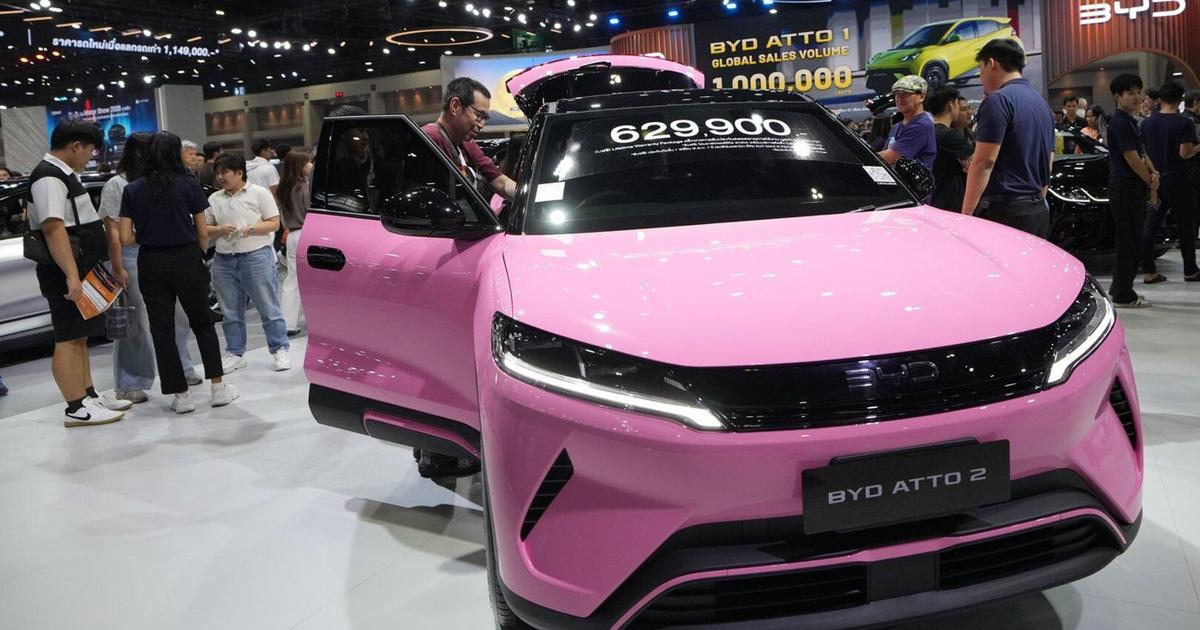
China's automotive industry is witnessing a significant rise in car exports, fueled by a shift towards electric vehicles (EVs) in response to global energy challenges stemming from the Iran war. As the demand for sustainable transportation grows, Chinese manufacturers are positioning themselves as key players in the international EV market.
Introduction
In recent months, China's car exports have experienced a remarkable surge, reflecting the nation's strategic pivot towards electric vehicles (EVs) amidst a backdrop of global energy disruptions caused by the ongoing conflict in Iran. As the world grapples with fluctuating energy prices and a pressing need for sustainable solutions, Chinese automotive manufacturers are seizing the opportunity to expand their footprint in the international market.
Surge in Exports
According to recent reports, China's car exports have increased significantly, with a notable emphasis on electric vehicles. This growth is not merely a trend but a response to the changing dynamics of global energy markets, particularly in light of the Iran war, which has led to increased volatility in oil prices and energy supplies. As countries seek to reduce their reliance on fossil fuels, the demand for EVs has surged, positioning China as a leading exporter of these vehicles.
Impact of the Iran War
The Iran conflict has had far-reaching implications for global energy security, prompting many nations to reconsider their energy strategies. With oil prices soaring and supply chains disrupted, the urgency for cleaner and more sustainable energy alternatives has never been more pronounced. In this context, electric vehicles have emerged as a viable solution, and China's automotive sector is at the forefront of this transition.
China's Strategic Positioning
Chinese automakers, backed by government policies promoting green technology, have ramped up production and innovation in the EV sector. Companies like BYD, NIO, and Xpeng are not only expanding their domestic operations but are also aggressively targeting international markets. The Chinese government's commitment to reducing carbon emissions and promoting electric mobility has further bolstered this momentum, making it easier for manufacturers to invest in research and development.
International Market Dynamics
As the global automotive landscape shifts, Chinese EVs are gaining traction in various international markets. Countries in Europe, Southeast Asia, and even North America are beginning to embrace Chinese electric vehicles, drawn by their competitive pricing and advanced technology. The growing acceptance of Chinese brands abroad signifies a major shift in consumer attitudes, as buyers prioritize sustainability and innovation over traditional automotive giants.
Challenges Ahead
Despite the promising outlook, challenges remain for Chinese car manufacturers. Concerns over quality, safety, and brand perception still linger in some markets. Additionally, geopolitical tensions and trade policies could pose hurdles for exports. To maintain their competitive edge, Chinese companies must continue to invest in quality assurance and enhance their global branding strategies.
Conclusion
The surge in China's car exports, particularly in the electric vehicle sector, is a testament to the country's adaptability in the face of global energy challenges. As the world shifts towards more sustainable transportation solutions, China's automotive industry is poised to play a pivotal role in shaping the future of mobility. With continued innovation and strategic international partnerships, Chinese manufacturers are not just responding to current demands but are also setting the stage for a more sustainable automotive future.