China's Drone Operations: A Strategic Prelude to Potential Taiwan Invasion
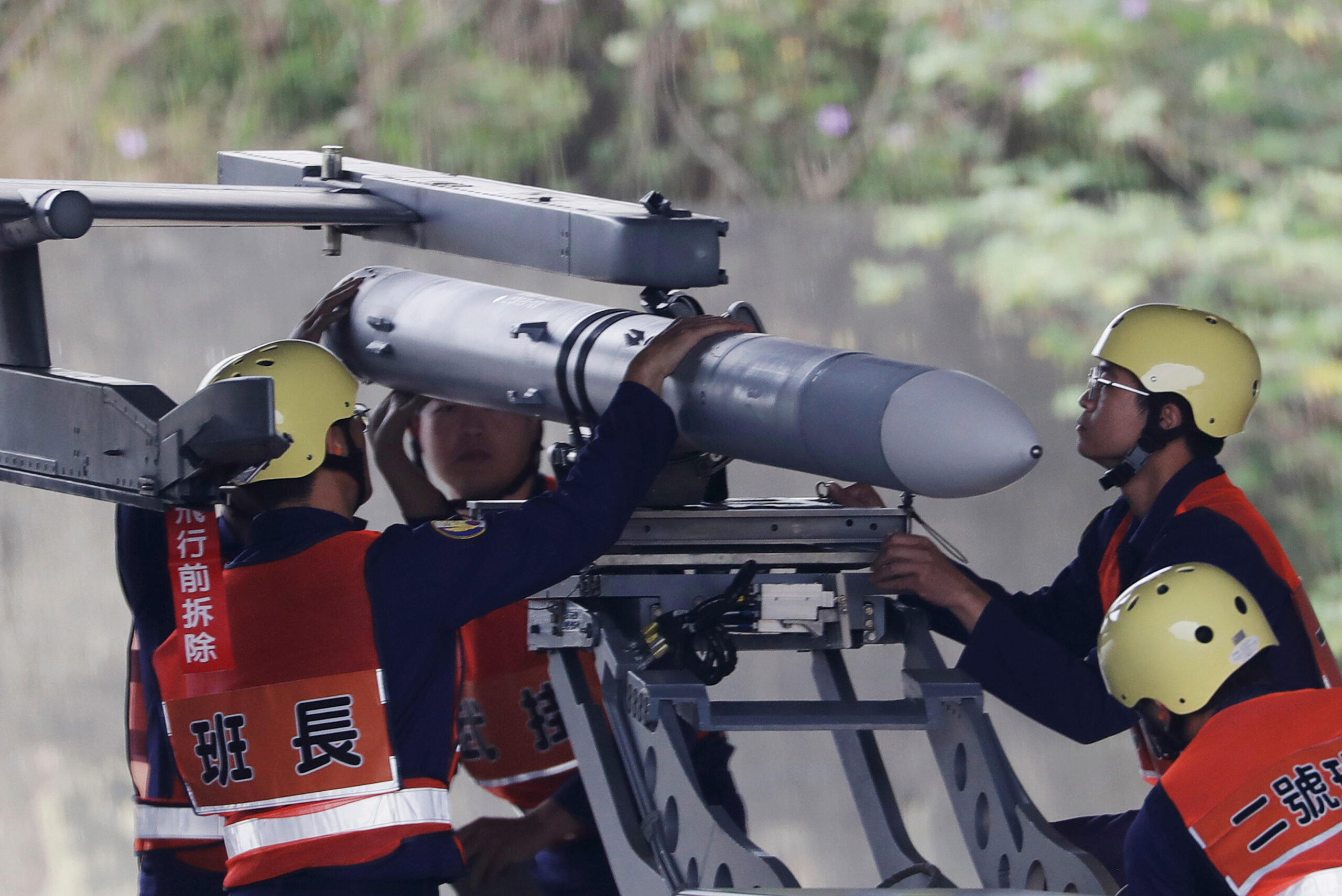
Recent reports reveal that China is concealing drone flights as part of military exercises that may signal preparations for a potential invasion of Taiwan. This development raises concerns about regional stability and the implications for international relations.
Introduction
In a concerning escalation of military activities, recent reports have highlighted how China is strategically masking its drone operations, which are increasingly being interpreted as rehearsals for a potential invasion of Taiwan. The use of drones in military exercises has raised alarms not only in Taiwan but also among international observers, as the implications of such maneuvers could have far-reaching effects on regional stability.
Military Exercises and Drone Operations
According to sources, the Chinese military has been conducting extensive drone flights in areas close to Taiwan, with the intention of simulating invasion scenarios. These operations are reportedly being carried out under the guise of routine exercises, making it difficult for external observers to gauge the true nature and intent behind these flights. The drones, equipped with advanced surveillance technology, are believed to be used for reconnaissance and intelligence-gathering purposes, which could play a critical role in any future military action against Taiwan.
Regional Reactions
The Taiwanese government has expressed serious concerns regarding these developments, viewing them as a direct threat to its sovereignty and security. Taiwanese officials have urged the international community to take note of China's aggressive posturing and to support Taiwan in its efforts to maintain its autonomy. In response to the increased drone activity, Taiwan has ramped up its own military readiness, conducting drills and enhancing its defense capabilities to deter potential aggression.
International Implications
The situation poses significant challenges for international relations, particularly for countries in the Asia-Pacific region. The United States, which has a longstanding commitment to Taiwan's defense, has reiterated its support for the island, emphasizing the importance of maintaining peace and stability in the Taiwan Strait. However, the U.S. faces a complex diplomatic balancing act, as it must navigate its relationship with China while also standing firm in its commitments to Taiwan.
China's Strategic Calculations
Analysts suggest that China's drone operations are part of a broader strategy to assert its dominance in the region. By conducting these flights, China aims to demonstrate its military capabilities and resolve to reclaim Taiwan, which it views as a breakaway province. The masking of these operations is seen as a tactical move to avoid provoking immediate international backlash while still preparing for potential military action.
Conclusion
As tensions continue to rise, the situation in the Taiwan Strait remains precarious. The masking of drone flights by China is a clear indication of its intentions and capabilities, and it underscores the urgent need for diplomatic efforts to de-escalate the situation. The international community must remain vigilant and proactive in addressing the challenges posed by China's military ambitions, particularly as they relate to Taiwan's future and the stability of the region.