China's Economy Grows at 5% in First Quarter of 2023
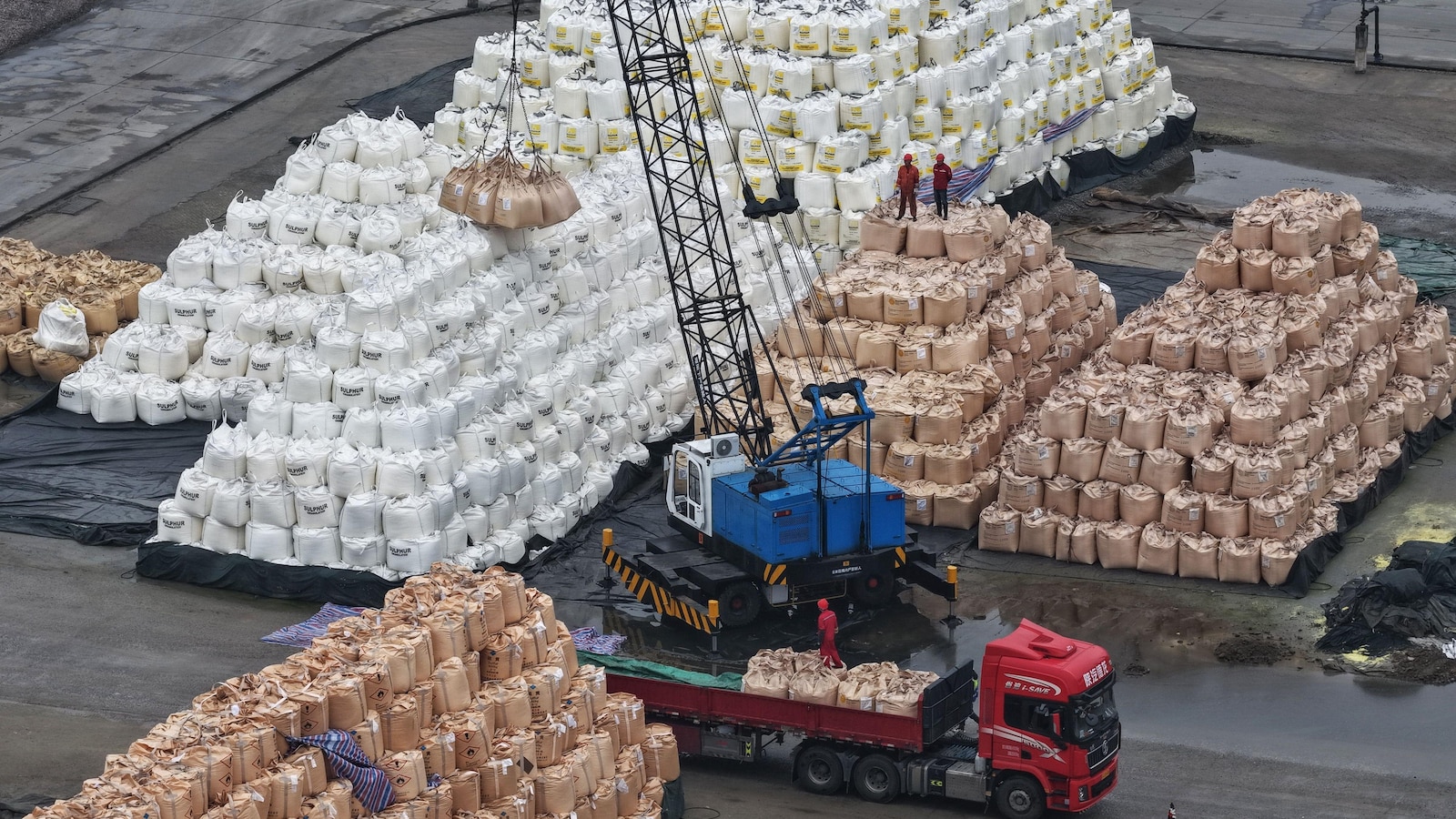
China's economy has shown resilience with a 5% growth in the first quarter of 2023, reflecting a recovery from the pandemic's impact. This growth signals positive trends for the country's economic outlook amidst global uncertainties.
China's Economic Resilience Amid Global Challenges
In a notable development, China's economy has recorded a growth rate of 5% in the first quarter of 2023, indicating a robust recovery as the nation continues to navigate the aftermath of the COVID-19 pandemic. This growth comes as a relief to policymakers and investors alike, who have been closely monitoring the economic landscape in light of ongoing global uncertainties.
The growth rate, reported by the National Bureau of Statistics, reflects a steady rebound in consumer spending and industrial output, which had been significantly impacted during the pandemic. Analysts attribute this growth to a combination of government stimulus measures, increased domestic consumption, and a gradual return to normalcy in various sectors.
Key Drivers of Growth
One of the primary drivers of this growth has been the resurgence in consumer confidence. Following the lifting of strict COVID-19 restrictions, Chinese consumers have returned to shopping, dining, and traveling, contributing to a notable uptick in retail sales. In March alone, retail sales surged by 10.6% year-on-year, marking the fastest growth rate since the pandemic began.
Moreover, industrial production has also seen a significant recovery, with a year-on-year increase of 5.6% in March. This rebound is largely attributed to the manufacturing sector, which has benefited from both domestic demand and a gradual recovery in global supply chains. The government’s focus on infrastructure projects has further bolstered industrial output, creating jobs and stimulating economic activity.
Challenges Ahead
Despite the positive growth figures, challenges remain on the horizon. The global economic environment continues to be fraught with uncertainty, particularly with rising inflation rates and geopolitical tensions affecting trade dynamics. Additionally, the real estate sector, which has been a crucial pillar of China's economy, is still grappling with debt issues and regulatory crackdowns that could hinder its recovery.
Furthermore, the ongoing COVID-19 situation in some regions, along with the potential for new variants, poses a risk to sustained economic growth. Policymakers are urged to remain vigilant and adaptive to ensure that the recovery is not derailed by unforeseen circumstances.
Government Response and Future Outlook
In response to these challenges, the Chinese government has signaled its commitment to supporting economic growth through targeted fiscal and monetary policies. Measures such as tax cuts, increased public spending, and support for small and medium-sized enterprises are expected to play a crucial role in maintaining momentum.
Looking ahead, analysts remain cautiously optimistic about China's economic prospects. While the 5% growth in the first quarter is a positive indicator, the sustainability of this growth will depend on various factors, including domestic consumption trends, global economic conditions, and the government's ability to navigate the ongoing challenges.
As China continues to emerge from the shadows of the pandemic, the focus will be on creating a balanced and resilient economy that can withstand both internal and external pressures. The upcoming months will be critical in determining whether this growth trajectory can be maintained and what adjustments may be necessary to ensure long-term stability.