China's Evolving Scientific Partnerships with Global Powers
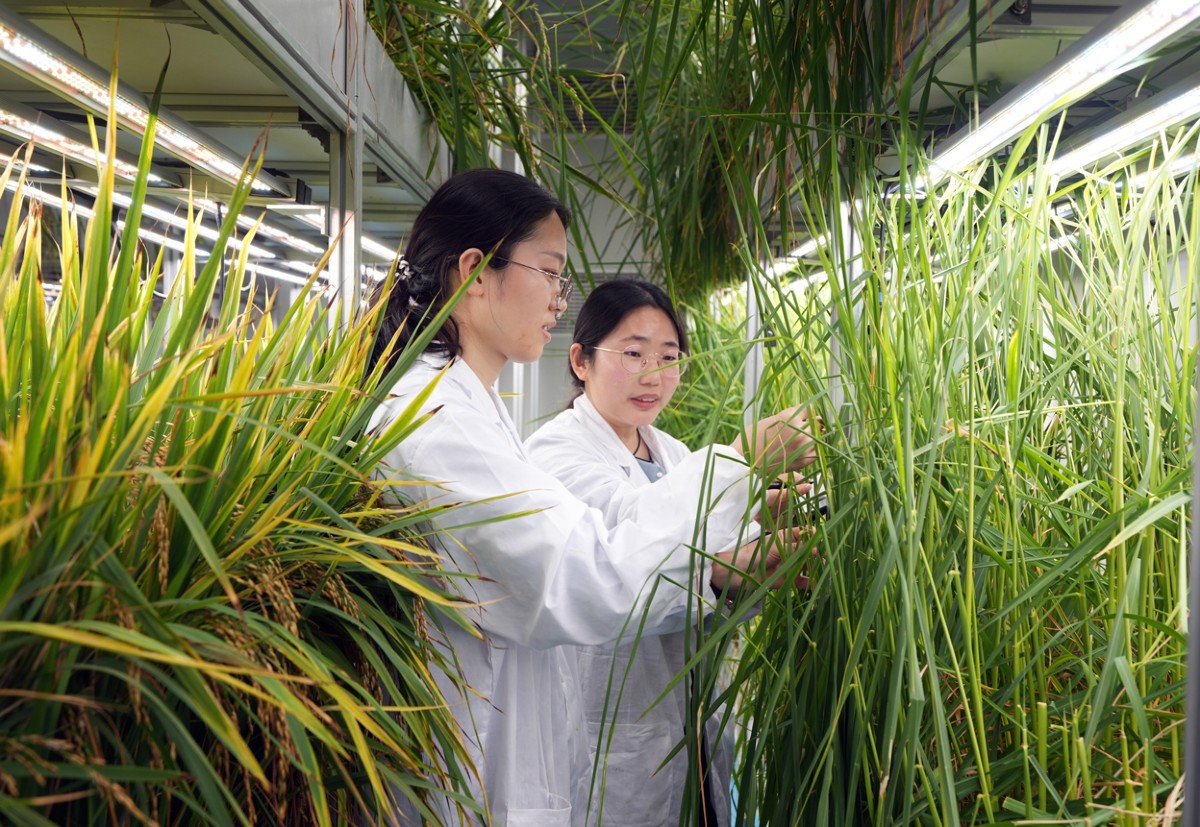
China is redefining its relationships with foreign scientific institutions as geopolitical tensions rise. This shift is reshaping the landscape of international collaboration in research and innovation.
Introduction
In recent years, China's approach to international scientific collaboration has undergone significant transformations. As geopolitical tensions escalate and the global landscape shifts, the nation is recalibrating its partnerships with foreign scientific powers, leading to new dynamics in research and innovation.
Changing Landscape of Scientific Collaboration
China's rapid advancements in technology and research have positioned it as a formidable player on the global stage. However, the increasing scrutiny from Western nations, particularly the United States, has prompted Chinese scientists and institutions to rethink their collaborative strategies. The once-open channels of cooperation are now being approached with caution and strategic foresight.
Impact of Geopolitical Tensions
The ongoing trade war and rising tensions between China and the U.S. have significantly impacted scientific partnerships. Initiatives like the U.S.-China Science and Technology Agreement, which once fostered collaboration, are now under threat. This shift has led to a decline in joint research projects, with many American institutions hesitating to engage with Chinese counterparts due to fears of intellectual property theft and national security concerns.
China's Response to International Scrutiny
In response to these challenges, China has begun to pivot towards strengthening its domestic research capabilities while seeking new partnerships with countries that are more aligned with its geopolitical interests. Nations in Asia, Africa, and even some in Europe are becoming increasingly attractive partners for China, as they present opportunities for collaboration without the stringent scrutiny faced from Western powers.
Investment in Domestic Innovation
China's government has recognized the need to bolster its domestic innovation ecosystem. Initiatives like the 'Made in China 2025' plan aim to reduce reliance on foreign technology and enhance self-sufficiency in key industries. This focus on domestic innovation is not only a response to external pressures but also a strategic move to elevate China's position in the global technological hierarchy.
Emerging Partnerships
As traditional partnerships wane, China is actively seeking new alliances. Countries like Russia, Brazil, and several Southeast Asian nations are increasingly seen as valuable collaborators in scientific research. Joint projects in fields such as renewable energy, artificial intelligence, and biotechnology are on the rise, reflecting a shift in focus towards mutual benefits that align with China's strategic goals.
The Role of International Organizations
International organizations and forums are also playing a crucial role in facilitating scientific collaboration. Initiatives such as the BRICS Science, Technology and Innovation Framework are designed to foster cooperation among member countries, providing a platform for knowledge exchange and collaborative research. These efforts are indicative of China's desire to maintain its influence in the global scientific community, even as traditional partnerships face challenges.
Conclusion
The evolving landscape of China's scientific collaborations reflects broader geopolitical shifts and the complexities of international relations. As China navigates these challenges, it is clear that the nation is committed to maintaining its position as a leader in global research and innovation. By diversifying its partnerships and investing in domestic capabilities, China aims to not only withstand external pressures but also to emerge stronger on the world stage.