China's Expanding Influence in Global Rare Earths Market Amid Sanctions
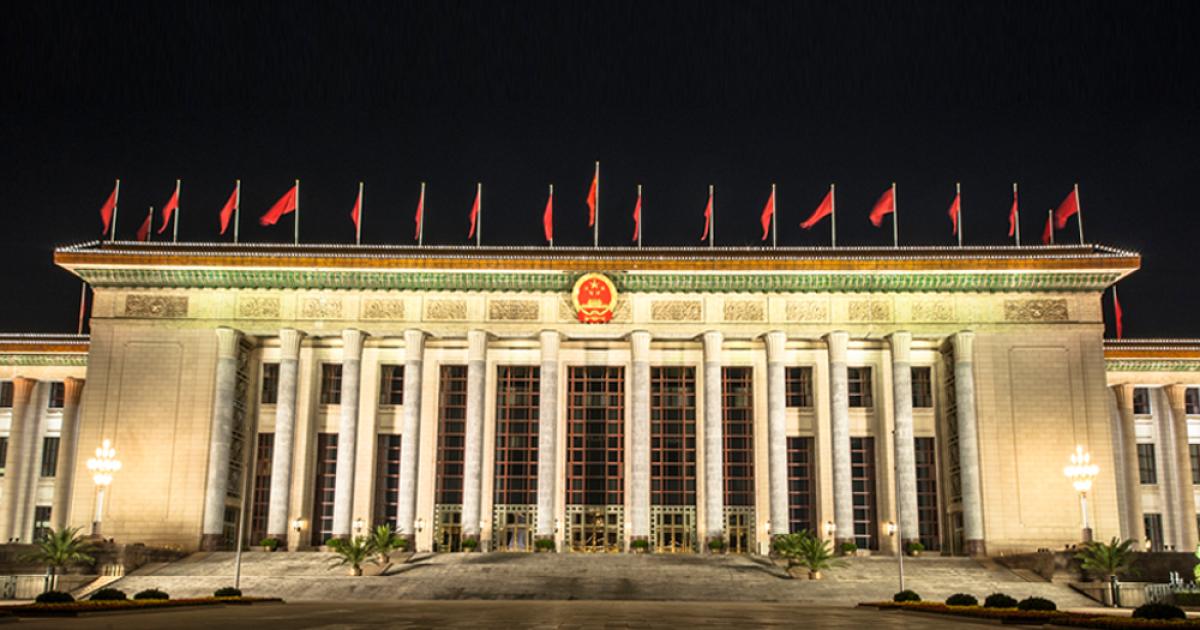
China's dominance in the rare earths sector is increasingly significant as international sanctions reshape global supply chains. This report explores the implications for trade and technology as countries seek alternatives to Chinese rare earths.
Introduction
As the global demand for advanced technologies surges, rare earth elements (REEs) have become a focal point in international trade dynamics. China, which currently dominates the rare earths market, is leveraging its position amid escalating sanctions from Western countries, particularly the United States, against nations like Iran and North Korea. This report delves into the implications of China's rare earths dominance and the shifting landscape of global supply chains.
China's Rare Earths Monopoly
China's control over the rare earths market is staggering, accounting for approximately 60% of the world's supply and 80% of its processing capabilities. These critical materials are essential for manufacturing high-tech products, including smartphones, electric vehicles, and military equipment. The Chinese government has strategically positioned itself as the primary supplier, making it a pivotal player in both economic and geopolitical arenas.
Impact of Sanctions
Recent sanctions imposed by the U.S. and its allies on countries like Iran and North Korea have further complicated the global rare earths landscape. As these nations face restrictions on their trade, they are increasingly reliant on China for access to essential materials. This dependency raises concerns about the potential for China to leverage its market position to influence political outcomes or retaliate against adversaries.
Global Response and Alternatives
In response to China's dominance, several countries are actively seeking to diversify their sources of rare earths. The U.S. has initiated projects to develop domestic mining and processing capabilities, while Australia and Canada are ramping up their production efforts. However, establishing alternative supply chains is a complex and time-consuming process, as rare earths extraction and processing require significant investment and expertise.
Technological Developments
Advancements in technology are also playing a crucial role in the rare earths market. Innovations in recycling and alternative materials are being explored to reduce dependence on traditional sources. For instance, researchers are investigating the use of synthetic materials and the recycling of existing rare earths from electronic waste. These developments could potentially reshape the market dynamics and lessen the grip of Chinese suppliers.
Geopolitical Implications
The geopolitical implications of China's rare earths monopoly cannot be overstated. As nations scramble to secure their supply chains, the competition for these critical materials could lead to heightened tensions and conflicts. The U.S. and its allies may find themselves in a strategic race to establish partnerships with other rare earth producers, while China may use its leverage to solidify its influence in global affairs.
Conclusion
The rare earths market is at a critical juncture, influenced by a combination of geopolitical tensions, technological advancements, and shifting trade policies. As countries navigate the complexities of their supply chains, China's dominance presents both challenges and opportunities. The coming years will be pivotal in determining how nations adapt to these changes and whether alternatives to Chinese rare earths can be successfully developed.