China's Exports Surge 19.4% in May, Driven by Strong Demand from the U.S.
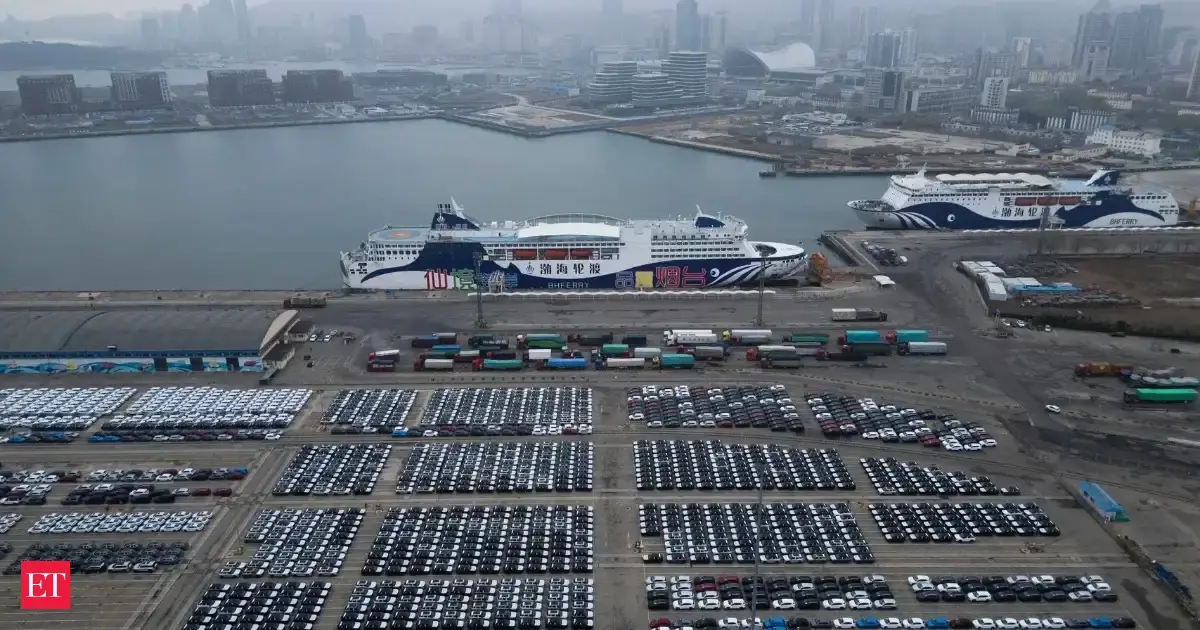
China's exports saw a remarkable increase of 19.4% year-on-year in May, with a staggering 35% rise in shipments to the United States. This growth reflects a robust recovery in global demand and highlights China's pivotal role in international trade.
China's Export Growth Signals Economic Resilience
In a striking development for the global economy, China's exports soared by 19.4% year-on-year in May, marking a significant rebound as countries continue to recover from the economic impacts of the COVID-19 pandemic. The surge is particularly notable in shipments to the United States, which experienced a remarkable 35% increase, underscoring the strong demand for Chinese goods in the American market.
Factors Driving the Export Surge
The robust export figures can be attributed to several key factors. First and foremost, the ongoing recovery in global consumer demand has played a crucial role. As economies around the world reopen and consumers regain confidence, the appetite for goods, especially electronics, machinery, and textiles, has surged. This trend is evident in the significant increases in orders from various sectors, including technology and manufacturing.
Moreover, the easing of supply chain disruptions that plagued many industries during the pandemic has allowed Chinese manufacturers to ramp up production and fulfill orders more efficiently. The government's continued support for export-oriented industries, including financial incentives and streamlined logistics, has also contributed to this positive trajectory.
Impact on the U.S.-China Trade Relationship
The sharp increase in exports to the United States raises important questions about the future of the U.S.-China trade relationship. Despite ongoing tensions and tariffs imposed during the trade war, American consumers and businesses continue to rely heavily on Chinese products. This dependency is reflected in the latest figures, which indicate that China remains one of the largest suppliers of goods to the U.S.
Experts suggest that this growing trade volume could lead to a reevaluation of trade policies, as both nations seek to balance economic interests with geopolitical considerations. The Biden administration may need to consider the implications of these figures on its trade strategy, particularly in light of the upcoming negotiations and discussions surrounding tariffs and trade agreements.
Global Economic Implications
The implications of China's export growth extend far beyond its borders. As one of the world's largest economies, China's trade performance is often viewed as a bellwether for global economic health. The increase in exports is likely to bolster the overall economic recovery, contributing to a more stable and robust global market.
Furthermore, this growth may influence other countries' export strategies, prompting them to reassess their own production capabilities and trade partnerships. Nations that rely on exports may look to China as a model for recovery, while also considering how to navigate the competitive landscape shaped by China's dominance in manufacturing.
Challenges Ahead
Despite the positive export figures, challenges remain on the horizon. The ongoing geopolitical tensions, particularly in the Asia-Pacific region, could complicate trade dynamics. Additionally, potential disruptions from renewed COVID-19 outbreaks, inflationary pressures, and shifts in consumer behavior may pose risks to sustained export growth.
Moreover, the global economy is still grappling with supply chain issues, which could affect China's ability to maintain its export momentum. The interplay between domestic policies and international market conditions will be crucial in determining the future trajectory of China's trade performance.
Conclusion
As China continues to navigate the complexities of the global economy, the recent surge in exports serves as a testament to its resilience and adaptability. While the immediate outlook appears promising, the long-term sustainability of this growth will depend on various factors, including international relations, domestic policy decisions, and the ongoing evolution of global trade dynamics.