China's Exports Surge 27% Amid AI Boom Driving Strong Demand
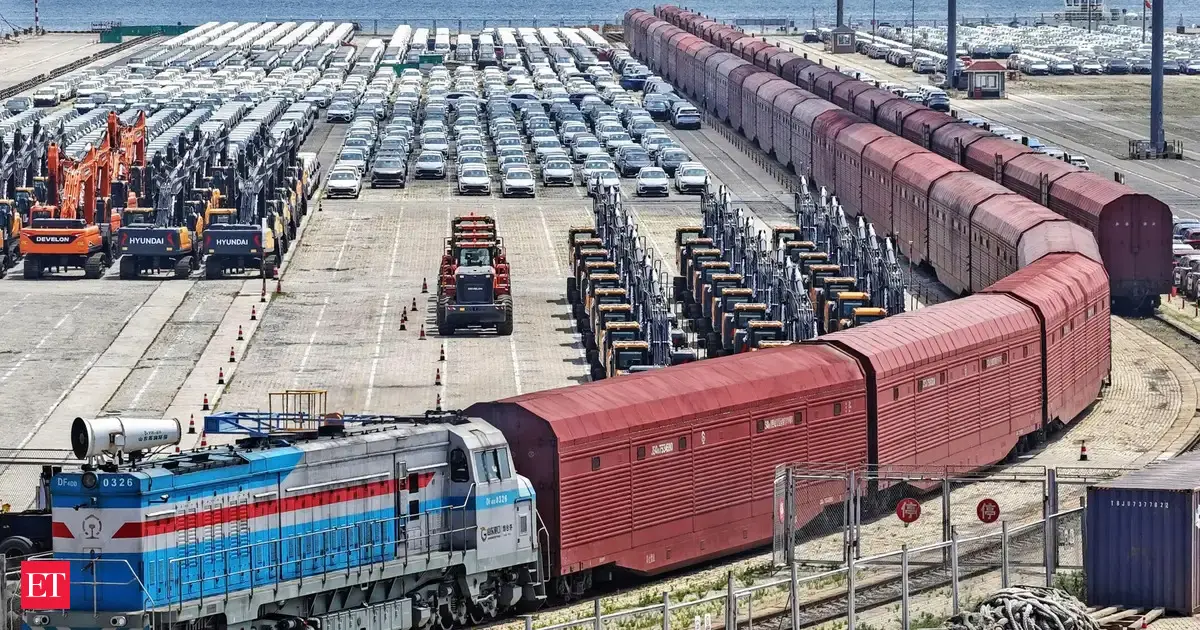
China's exports have experienced a remarkable 27% increase year-on-year, fueled by the burgeoning demand for artificial intelligence technologies. This surge reflects the nation's growing influence in the global tech market and its implications for international trade.
China's Exports Surge 27% Amid AI Boom Driving Strong Demand
In a striking display of economic resilience, China's exports have surged by 27% compared to the previous year, showcasing the country's robust manufacturing sector and its pivotal role in the global supply chain. This remarkable growth is largely attributed to the increasing demand for artificial intelligence (AI) technologies, which have become integral to various industries worldwide.
The latest data released by the Chinese government reveals that the total value of exports reached unprecedented levels, driven by a combination of factors including technological advancements, a recovering global economy, and strong consumer demand. The AI boom has particularly influenced sectors such as electronics, machinery, and automotive components, where Chinese manufacturers have established themselves as key players.
Experts suggest that the surge in exports could have far-reaching implications for China's economy and its trade relationships. As countries around the world continue to invest heavily in AI and related technologies, China's ability to meet this demand positions it as a leader in the global tech landscape. This trend not only bolsters China's economic standing but also enhances its geopolitical influence.
According to analysts, the AI sector is expected to grow exponentially in the coming years, with estimates suggesting it could contribute trillions to the global economy. China's strategic investments in AI research and development, coupled with its vast manufacturing capabilities, have allowed it to capitalize on this growth. Major tech companies in China, such as Huawei, Alibaba, and Tencent, are at the forefront of this revolution, developing cutting-edge AI solutions that cater to both domestic and international markets.
The impact of this export surge is already being felt across various sectors. For instance, the electronics industry has seen a significant uptick in orders for AI-enabled devices, including smart home products, wearables, and advanced computing systems. Similarly, the automotive sector is experiencing a shift towards electric vehicles (EVs) and autonomous driving technologies, with Chinese manufacturers leading the charge.
However, the rapid growth of exports also raises questions about sustainability and the environmental impact of increased production. As the demand for AI technologies expands, so too does the need for responsible manufacturing practices that prioritize environmental stewardship. Industry leaders and policymakers are urged to consider the long-term implications of this growth, particularly in relation to carbon emissions and resource management.
Furthermore, the surge in exports may also lead to heightened competition on the global stage. As countries vie for dominance in the AI sector, trade tensions could escalate, particularly between China and the United States. Ongoing trade negotiations and tariffs may influence the dynamics of international trade, potentially impacting China's export growth in the future.
In conclusion, China's impressive 27% increase in exports is a testament to the country's strategic positioning in the global market, driven by the AI boom. As demand for advanced technologies continues to rise, China's ability to innovate and adapt will be crucial in maintaining its competitive edge. The implications of this growth extend beyond economics, shaping the future of international trade and geopolitical relations.