China's Exports Surge Despite Waning Trade With the U.S.
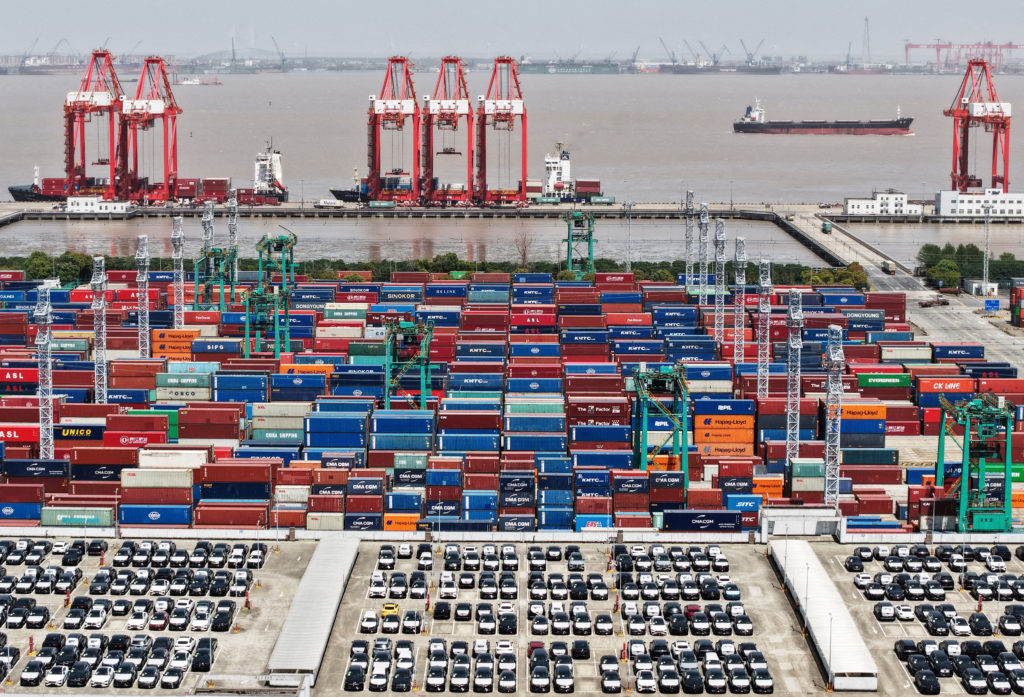
China's export sector demonstrates resilience as trade with the United States declines. This report explores the factors contributing to China's export growth and its implications for the global economy.
China's Export Growth Amidst Trade Tensions
In a surprising turn of events, China's exports have surged, showcasing remarkable resilience even as trade relations with the United States continue to deteriorate. Recent data reveals that China's export figures have outperformed expectations, driven by strong demand from other global markets and a strategic pivot in trade partnerships.
Export Figures and Economic Implications
According to the latest reports, China's exports rose by 14.5% year-on-year in September, reaching a total of $325 billion. This surge comes at a time when trade with the U.S. has been impacted by tariffs and geopolitical tensions, leading to a significant decline in bilateral trade. Analysts attribute this growth to several factors, including increased demand from Southeast Asia, Europe, and other regions, as well as China's ongoing efforts to diversify its trade relationships.
Shifting Trade Patterns
As the U.S. continues to impose tariffs on a range of Chinese goods, businesses in China have been compelled to seek new markets. Southeast Asia has emerged as a key destination for Chinese exports, with countries like Vietnam and Malaysia increasing their imports significantly. Furthermore, China's Belt and Road Initiative has facilitated trade connections with countries across Asia, Europe, and Africa, enhancing its export capabilities.
Sector-Specific Growth
Notably, the electronics and machinery sectors have seen substantial growth in exports. The demand for electronics, particularly in the context of the global semiconductor shortage, has driven Chinese manufacturers to ramp up production and export activities. Additionally, the automotive sector has benefited from increased exports of electric vehicles and components, aligning with global trends toward sustainable transportation.
Challenges Ahead
Despite the positive export numbers, challenges loom on the horizon. The ongoing trade tensions with the U.S. are not likely to dissipate soon, and new tariffs could further impact specific sectors. Moreover, global supply chain disruptions, exacerbated by the COVID-19 pandemic, continue to pose risks to production and logistics. As countries grapple with inflation and economic uncertainty, the sustainability of China's export growth remains a subject of scrutiny.
Global Economic Impact
The implications of China's export surge extend beyond its borders. A robust export performance contributes to global economic stability, particularly as many countries are still recovering from the pandemic's economic fallout. However, the reliance on China as a manufacturing hub raises concerns about over-dependence, prompting other nations to consider diversifying their supply chains.
Conclusion
China's ability to boost its exports in the face of declining trade with the U.S. highlights the dynamic nature of global trade. As the country continues to explore new markets and adapt to changing economic conditions, its export sector will play a crucial role in shaping the future of the global economy. Stakeholders, including businesses and policymakers, must remain vigilant and adaptable to navigate the complexities of international trade in this evolving landscape.