China's Growing Involvement in Iran: A Dangerous Escalation
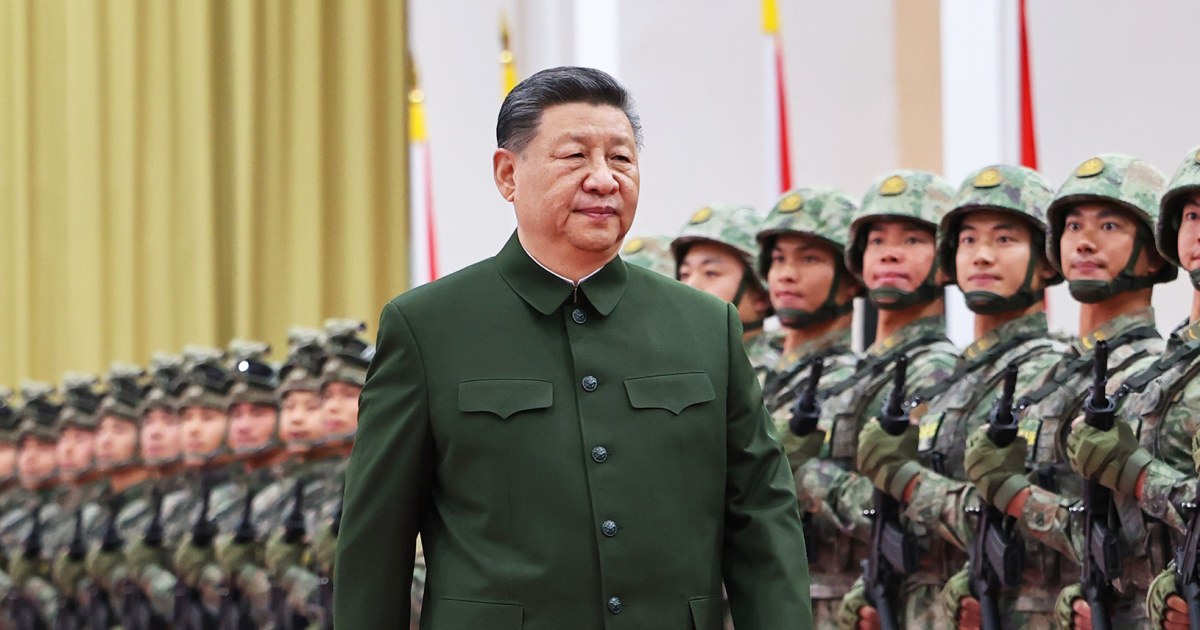
China's involvement in Iran is intensifying amid rising tensions in the region, raising concerns over a potential military confrontation. As the U.S. tightens its blockade, Beijing's support for Tehran is becoming increasingly pronounced.
Introduction
In recent months, China's involvement in Iran has escalated, drawing attention from international observers and raising alarms about the potential for increased conflict in the Middle East. With the United States tightening its sanctions and blockade against Iran, Beijing's support for Tehran is becoming more pronounced, leading to fears of a dangerous confrontation.
China's Strategic Interests
China has long viewed Iran as a critical partner in its Belt and Road Initiative (BRI), a global infrastructure development strategy aimed at enhancing trade and connectivity. Iran's strategic location and vast energy resources make it an essential player for China, which relies heavily on oil imports to fuel its economic growth. As the U.S. continues to impose sanctions on Iran, China has stepped up its engagement, including military cooperation and energy investments.
Military Cooperation and Energy Investments
Recent reports indicate that China is increasing its military cooperation with Iran, including arms sales and joint military exercises. This partnership is seen as a counterbalance to U.S. influence in the region. Furthermore, China has been actively investing in Iran's oil and gas sectors, with Chinese companies signing multi-billion-dollar deals to develop Iranian energy resources. This investment not only helps Iran withstand U.S. sanctions but also secures a steady supply of oil for China.
U.S. Response and Concerns
The U.S. has expressed deep concerns over China's growing ties with Iran, viewing it as a direct challenge to its influence in the Middle East. Washington's strategy has included increasing military presence in the region and strengthening alliances with other countries, such as Israel and Saudi Arabia, to counteract China's rising influence. The Biden administration has also warned that any military cooperation between China and Iran could have severe consequences, potentially leading to a broader conflict.
The Role of Tankers and Trade Routes
One of the critical aspects of this evolving relationship is the role of tankers and trade routes. As U.S. sanctions have targeted Iranian oil exports, China has emerged as a significant buyer of Iranian crude. Reports indicate that Chinese tankers have been increasingly transporting Iranian oil, often using complex shipping routes to evade detection and sanctions. This clandestine trade not only supports Iran's economy but also bolsters China's energy security.
Implications for Regional Stability
The deepening ties between China and Iran raise questions about the implications for regional stability. As both countries strengthen their military and economic partnership, neighboring countries may feel threatened, leading to increased tensions. The potential for miscalculations or misunderstandings could escalate into conflict, particularly if U.S. and Iranian interests collide.
Conclusion
China's growing involvement in Iran represents a significant shift in the geopolitical landscape of the Middle East. As Beijing continues to support Tehran amid U.S. sanctions, the risk of a dangerous confrontation increases. The international community must remain vigilant and seek diplomatic solutions to prevent further escalation and ensure regional stability.