China's Market Drop: A Shift from AI Optimism to Monetary Tightening Concerns
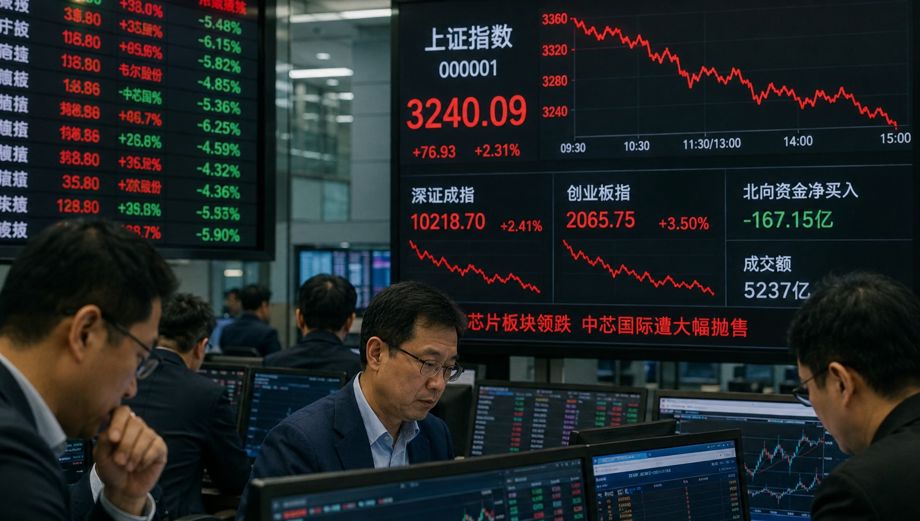
China's financial markets have experienced a significant downturn, raising alarms about the implications of monetary tightening and the fading optimism surrounding artificial intelligence. Analysts suggest that this shift could have far-reaching consequences for the economy and investor sentiment.
China's Market Drop: A Shift from AI Optimism to Monetary Tightening Concerns
In recent weeks, China's financial markets have witnessed a notable decline, prompting analysts and investors to reassess the underlying factors contributing to this downturn. The initial exuberance surrounding artificial intelligence (AI) advancements has given way to growing concerns over monetary tightening, which could have significant implications for the broader economy.
AI Optimism Fades
Earlier this year, the Chinese stock market experienced a surge, driven largely by the excitement surrounding AI technologies and their potential to revolutionize various sectors. Companies involved in AI development saw their stock prices soar, as investors anticipated substantial growth and innovation. However, as the realities of economic pressures set in, this optimism has begun to wane.
Monetary Tightening Concerns
One of the primary factors contributing to the recent market downturn is the increasing likelihood of monetary tightening by the People's Bank of China (PBOC). In response to rising inflation and economic pressures, the central bank is expected to adopt a more hawkish stance, which could include raising interest rates or reducing liquidity in the financial system. Such measures, while necessary to combat inflation, could also stifle economic growth and dampen investor sentiment.
Impact on Investor Sentiment
The shift in sentiment among investors is palpable, as many are now reevaluating their positions in light of the potential for tighter monetary policy. The fear of reduced liquidity and higher borrowing costs has led to increased volatility in the markets, with many stocks experiencing sharp declines. Analysts warn that if the PBOC moves forward with tightening measures, it could exacerbate the current market instability.
Sector-Specific Implications
Particularly hard-hit are the technology and innovation sectors, which had previously benefited from the AI boom. Companies that were once seen as frontrunners in the AI race are now facing scrutiny as investors weigh the risks associated with a tighter monetary environment. The potential for reduced funding and investment in these sectors could hinder their growth prospects, leading to a reevaluation of their long-term viability.
Global Context
The situation in China is not occurring in isolation; it reflects broader global economic trends. As central banks around the world grapple with inflationary pressures, many are also considering tightening their monetary policies. This interconnectedness means that China's market dynamics could have ripple effects across global markets, influencing investor behavior and economic forecasts worldwide.
Looking Ahead
As China navigates this challenging economic landscape, the balance between fostering innovation and managing inflation will be crucial. Investors will be closely monitoring the PBOC's actions and statements for indications of future policy direction. The outcome of this balancing act could determine the trajectory of China's economic recovery and its position in the global market.
Conclusion
In summary, China's recent market drop signals a critical juncture for the economy, transitioning from a phase of AI-driven optimism to one marked by monetary tightening concerns. As investors adjust their strategies in response to these developments, the implications for both the domestic and global economy remain to be seen.